

The truest warmth of the holiday season isn't generated by electricity, but by the people you choose to sit with.
I’m a big believer in cutting through the seasonal clutter. Every November, the world starts screaming about what you need to buy, what you need to cook, and how perfect everything needs to look for those three days in late December. It’s exhausting, frankly.
But look closer at the trends. The big push for 2025 isn't some new gadget or ultra-modern color scheme. It’s a collective sigh of relief and a return to "Classic Christmas." Why? Because when the world feels messy and uncertain—and let’s be honest, it often does—we crave stability. We crave the reliable, worn-in comfort of home and history.
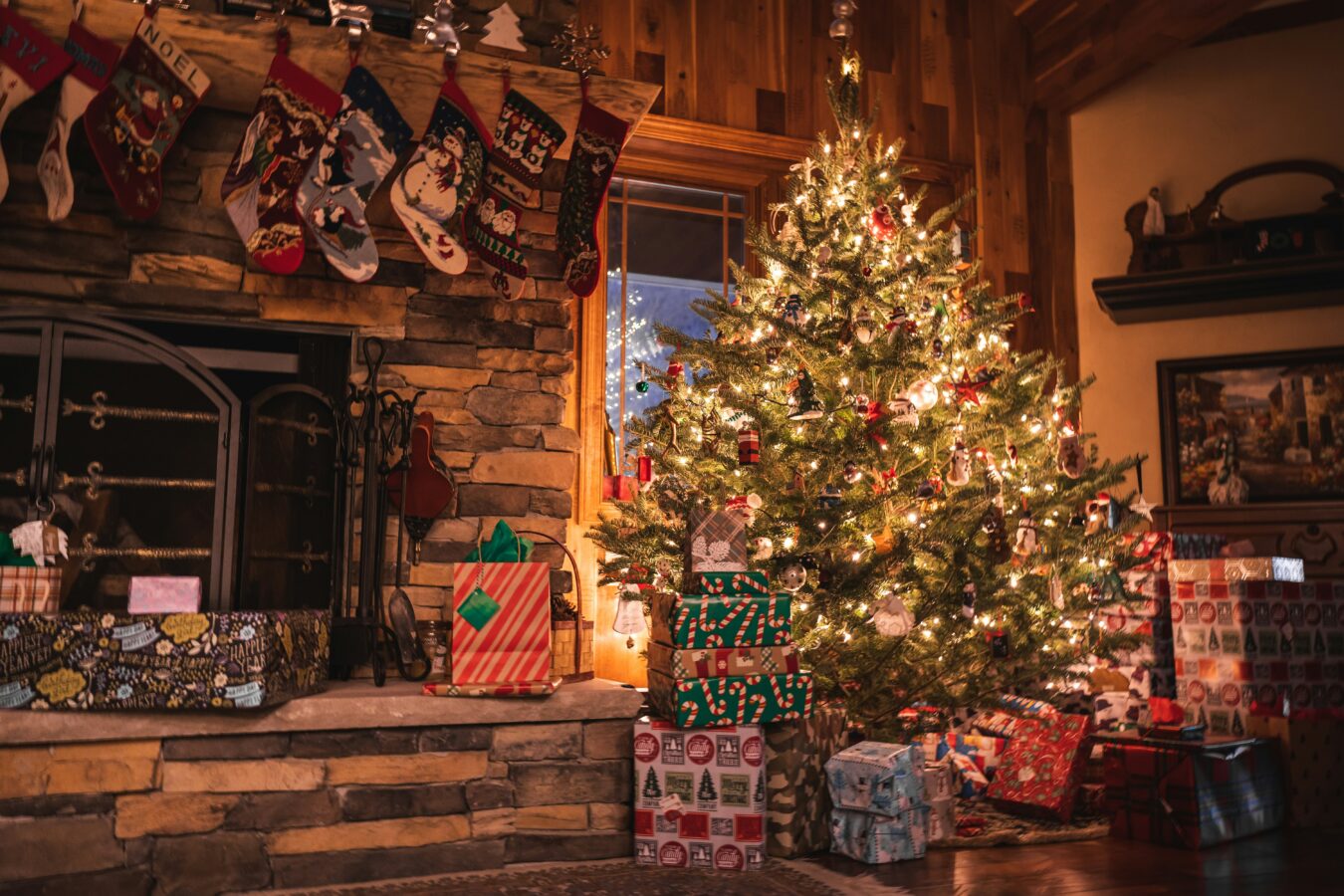
The current emphasis is on personalized celebrations, the things that truly reflect your family’s story. It’s about pulling out the slightly-lopsided, hand-painted ornament your kid made in kindergarten, not buying a new designer set. Experts note a strong cultural pull toward embracing familiar traditions and heirloom items, allowing a family’s collective history to define the season (The focus is less on perfection and more on memory).
This shift makes total sense. We aren't looking for temporary distractions; we are looking for lasting roots.
What survives the shopping mania and the frantic wrapping? The connections. The laughter. The quiet moments of just being together. The true gift of the season isn't found under the tree; it’s the people standing around it.
These 15 quotes aren't just feel-good platitudes. They are pragmatic reminders of where to invest your precious time and energy this year. They tell you to quit worrying about the matching napkins and focus on the human beings who showed up.
The Relentless Value of Presence Over Presents
We live in a culture that monetizes everything, including our holidays. It’s easy to slip into the transactional trap of gift-giving, feeling like the measure of your affection is tied to the dollar amount spent. But every wise person—from writers to musicians—has hammered home the same point: the best gift is simply you.
When you gather for the holidays, you aren't just exchanging objects; you are exchanging time, memories, and attention. This level of focus is getting harder to achieve in our constantly connected world. Putting down the phone and truly being present is a revolutionary act.
Quote 1, "The best present is the presence of family this Christmas," might sound cliché, but think about what that requires. It demands discipline. It demands you manage your internal monologue about work deadlines or political debates, and instead, listen to your grandmother tell the same story she tells every year. It’s an exercise in stillness.
Norman Vincent Peale nailed it when he called Christmas "the season of joy, of holiday greetings exchanged, of gift-giving, and of families united" (Quote 2). The union of family comes last, but it underpins all the rest. Without that foundation, the greetings are hollow and the gifts are meaningless transactions.
When I feel myself getting swept up in the holiday chaos—that sense of frantic energy that starts demanding I be in five places at once—I have to stop and intentionally seek stillness. I know the value of structured quiet contemplation. If I don’t carve out fifteen minutes for prayer, I lose my center entirely, and I become a lousy, agitated version of myself. That internal discipline is what allows me to bring genuine presence to my family when I finally sit down with them. You can’t be present for others if you haven't first anchored yourself.
Quotes 3, 4, and 5 drive this point home with simple elegance: "Together is the best place to be this Christmas," "The joy of Christmas is magnified by the love of family," and "Family is the greatest gift of all this Christmas." They remind us that the core inventory of a successful holiday isn't the stuff; it’s the love. Love is a verb, and on Christmas, that verb is executed by showing up, shutting up, and enjoying the proximity of the people who matter most.
The Deep Comfort of Coming Home
The concept of "home" during the holidays is profoundly powerful. It’s less about a physical address and more about an emotional geography—a place where you feel fully known, fully accepted, and utterly safe. Even if the home is packed, noisy, and slightly chaotic, the comfort of that familiarity is unmatched.
For many of us, the Christmas journey is literal. We pack suitcases, navigate crowded airports, and drive hundreds of miles. Dolly Parton's declaration, "No matter what, I always make it home for Christmas" (Quote 6), resonates because we understand the immense effort sometimes required to answer that internal call. It’s a priority, a non-negotiable pilgrimage.
Marjorie Holmes beautifully summarizes this universal pull: "At Christmas, all roads lead home" (Quote 7). This isn't just about geography; it's about returning to your origin story. It’s the seasonal reset button that grounds you in who you are and where you came from.
But what if you can’t physically go home? Or what if "home" no longer exists? This is where the wisdom of Freya Stark comes in: "Christmas is a piece of one's home that one carries in one's heart" (Quote 8). This is the ultimate pragmatic realization. The traditions, the scents, the cadence of your family’s specific type of chaos—you can carry that with you anywhere.
The modern focus on nostalgia isn't just fluffy sentimentality; it's a survival mechanism. It is the active preservation of internal safety, triggered by familiar sights and people. Quotes 9 and 10, emphasizing that Christmas is best spent "with those who make your heart feel at home," validate the idea that our chosen family is just as critical as our biological one. Home is, fundamentally, a feeling of belonging.
Building Assets: Memories and Enduring Tradition
If you treat the holiday like an investment, the greatest return you will ever see comes from the traditions you forge. Traditions are the simple, repeatable actions that bind generations together. They are the stories your family tells when you look back.
The problem is, we often obsess over the expensive or grand gesture, missing the profound power of the mundane. Bob Hope articulated this perfectly: "When we recall Christmas past, we usually find that the simplest things, not the great occasions, give off the greatest glow of happiness" (Quote 11).
Think about it: Do you remember the exact gift you got ten years ago, or do you remember the way your father always burned the top layer of the cinnamon rolls, or the specific fight you always had with your cousin over the remote control? It’s the messy, repeatable simplicity that sticks.
Joan Mills called Christmas "the keeping-place for memories of our innocence" (Quote 12). The traditions we adhere to—whether it’s reading a specific Scripture passage before dinner, decorating the tree with heirloom ornaments, or driving around looking at lights—are not just activities. They are markers on the timeline of our lives, allowing us to briefly step back into simpler times.
Richard Paul Evans gets sensory with Quote 13: "The smells of Christmas are the smells of childhood." Nostalgia is often driven by the senses. The smell of pine needles, or cloves, or a certain type of cookie is a direct, visceral link to your past self. Those sensory anchors are powerful tools for feeling grounded during the holiday rush.
This focus on the personal and the traditional is why the 2025 holiday trend is so potent. Families are intentionally moving away from generic holiday décor and toward "memory trees" defined by personal history. They are recognizing that these small, specific acts of shared history—the slightly bent angel topper, the chipped ceramic Santa—are priceless artifacts of love.
Quotes 14 and 15 conclude this idea: "In the arms of family, Christmas feels like magic," and "Christmas with family is a memory to treasure forever."
These aren't magic spells. The magic happens because you put in the time and effort to prioritize the relationships. The memory becomes a treasure because you were intentionally present to create it.
Create Your Own Quotable Moments
The truth is, nobody needs another article telling them to appreciate their family. We already know that. The real challenge is executing that appreciation when you are exhausted, financially stretched, and trying to keep the schedules of five different people straight.
This is where pragmatism kicks in. You can’t control the traffic, the cost of groceries, or the weather, but you can control your internal operating system.
If you want your family time to be quotable, you need to treat it like a serious commitment:
- Block the Time: Don’t just schedule the main event (dinner). Schedule the surrounding stillness. Block out 30 minutes the morning after to truly sit and listen, not just rush to the next event.
- Define the Non-Negotiables: What are the three traditions that must happen? Focus your energy only on those. Let the rest fall away. If it brings stress, it isn't a tradition; it’s a chore.
- Put Down the Device: This is the hardest part. If you want presence, you have to disconnect from the noise. Your phone pulls your attention outward; your family needs your attention inward.
This year, skip the performative holiday perfection. Embrace the chaos, cling to the familiar traditions, and prioritize the faces in the room over the presents under the tree. That focus on connection, history, and deliberate presence is how you create the enduring magic—the stuff that will become the cherished quotes your own family recalls twenty years from now.

See also in Quotes
25 Quotes on the Value of Consistency
25 Quotes on Life’s Ongoing Path
30 Quotes About Learning and Growth
25 Quotes on Living with Intention
30 Quotes About Everyday Success
20 Courage Quotes for Brave Moments