The leaves are changing, the days are short, and your brain is fighting the shift. Fall isn't just a season; it's a mandate for personal growth. Here's how to pivot your mindset for intentional change.
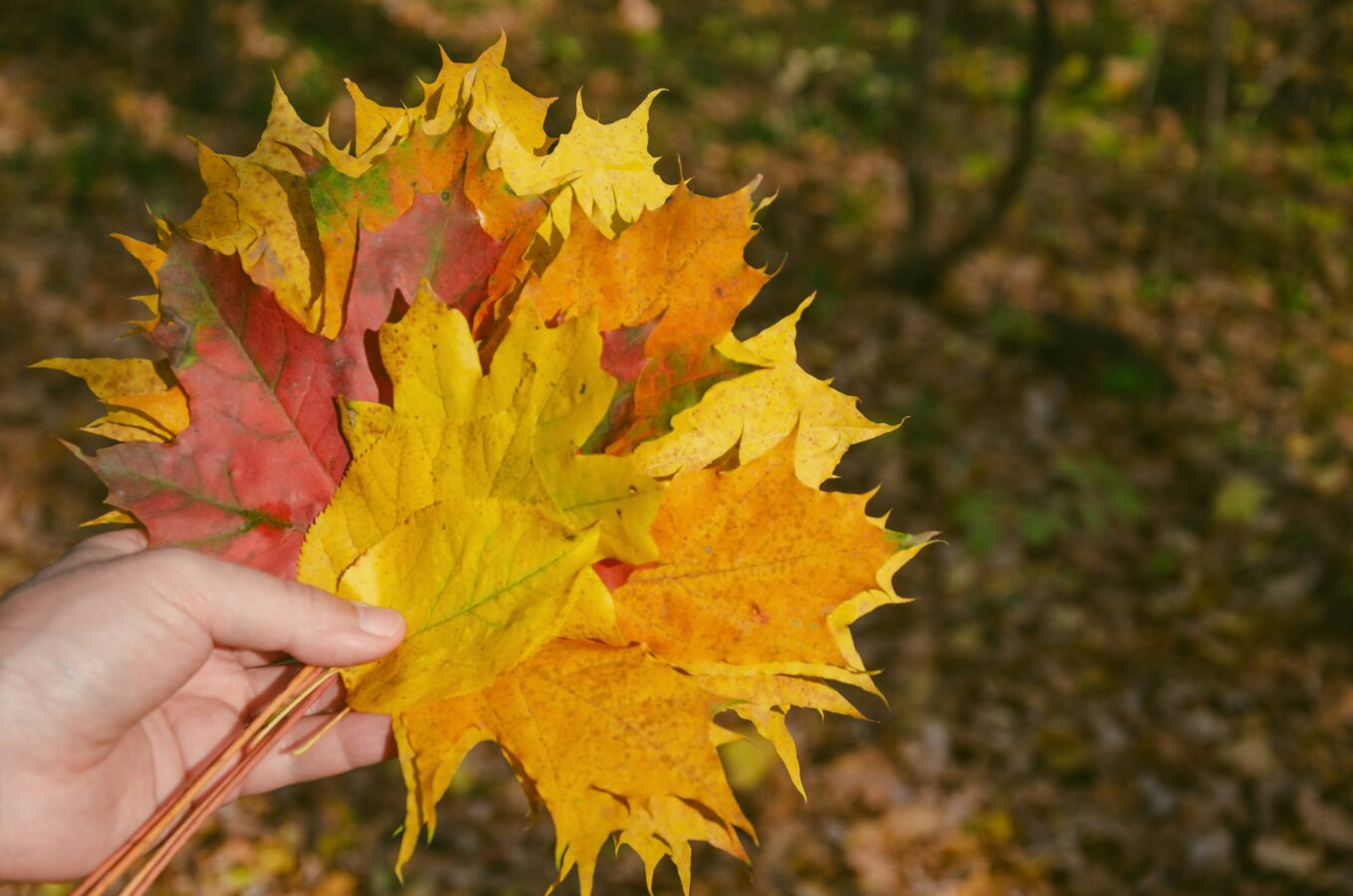
Fall is a tough time for your brain.
We spend months running on long, sunny days and the easy energy of summer, and then, without warning, the rhythm shifts. The world tells us to speed up—back to school, back to the office, gearing up for the holidays. But nature tells us to slow down, shed the dead weight, and prepare for the quiet.
If you feel slightly unmoored right now, you aren't alone.
The good news is that this moment of transition is also the moment of greatest leverage. You have a massive opportunity to stop reacting to the change and start directing it.
The biggest trend in intentional, elevated wellness right now isn’t a supplement or a cleanse; it’s the focus on personalized health routines, often tracked through biofeedback tools like wearables. We are consciously trying to fine-tune our sleep, stress levels, and performance.
This season perfectly aligns with that goal. Fall demands that we turn our focus inward and start implementing serious, deliberate, self-nurturing shifts.
The Psychology of Seasonal Transition
Think about a tree. When the light fades, it doesn’t panic and try to hold onto every green leaf. It knows that to survive the winter and flourish next spring, it has to let go. Shedding those leaves is not failure; it is a profound act of survival.
We are not that smart, unfortunately.
For humans, change feels threatening. Our ancient survival instinct is rooted in safety and stability, which means that when faced with uncertainty or a break in routine, our brain automatically defaults to viewing the change as a negative event. We call this the negativity bias.
That bias can manifest as anxiety, generalized worry, or a feeling of low-grade depression when the days get shorter and the temperature drops. We expend an enormous amount of energy resisting the inevitable.
Your mission this fall is simple: stop fighting the change that is happening outside, and start embracing the change that needs to happen inside. You are using the season as a metaphor for personal renewal. You are preparing your roots for the cold by making sure the canopy is clear of dead wood.
This requires conscious effort and disciplined adjustments to your routine.
10 Mindset Shifts for Intentional Renewal
The mindset tips below aren't theoretical concepts. They are practical tools for shifting your internal energy from "fight" to "flow."
They are designed to help your brain’s CEO cope with the stress of transition.
1. Acknowledge the End and Let Go
Before you can create new space, you have to get rid of the old junk.
What patterns, habits, or beliefs are you still carrying from the summer that are dead weight now? Maybe it’s a commitment to checking social media first thing in the morning, or perhaps it’s a resentment you’re clinging to.
You have to acknowledge those things are done.
Just as the leaves shed their chlorophyll to reveal their true, rich colors, confronting those old patterns allows your authentic self to emerge, ready for the next stage of growth. This isn't passive acceptance; it’s an active decision to release.
2. Practice Radical Self-Compassion
Transition is messy. When you try to adopt new habits—whether it’s sticking to a new waking time or implementing a stricter diet—you will fail sometimes.
When you stumble, your default mode is often self-flagellation. You tell yourself you’re weak, lazy, or inherently flawed.
Radical self-compassion means treating yourself with the same kindness and understanding you would offer a close friend who just missed a goal. Failure isn't a moral indictment; it’s simply data. Use that data to adjust your strategy, not to destroy your self-worth.
3. Set Seasonal Intentions
Uncertainty is a breeding ground for anxiety. Your brain needs direction.
Use the fall transition as a fresh canvas, but instead of setting massive, overwhelming New Year’s resolutions, set focused intentions for the next three months. What measurable growth do you want to achieve by Thanksgiving?
Maybe it's dedicating 15 minutes a day to a specific learning project. Maybe it's establishing a strict boundary around your evenings. Clear, achievable intentions provide your brain with a roadmap and a sense of purpose amid external chaos.
4. Cultivate Daily Gratitude
Gratitude is not just a nice feeling; it's a structural adjustment for your nervous system.
When we are anxious or focused on change, we default to scarcity—what we lack, what we are losing, or what might go wrong. Gratitude flips the script to abundance.
Dedicate time each day—morning, evening, or both—to jot down three things you are genuinely grateful for. They don't have to be massive. A hot cup of coffee, a call with a friend, the crisp air on your walk. This simple act of thankfulness resets your emotional thermostat for the day.
5. Maximize Natural Light
This is physiological maintenance. As the daylight shrinks, your body’s circadian rhythm gets confused. This confusion directly impacts your mood, energy, and sleep quality.
The solution is non-negotiable: light exposure, especially first thing in the morning.
Even if you have to bundle up, commit to a short, brisk outdoor walk immediately after waking. Getting those photons into your system signals to your brain that the day has started, helping regulate your mood and ensuring better melatonin production later that night.
6. Establish a Cozy Routine
Routine is the structure that holds you together when life tries to pull you apart.
The shift into fall is the perfect time to build comforting rituals that provide a sense of stability and nurturing structure. This isn't about productivity; it’s about comfort.
Maybe it's taking a 20-minute bath three times a week. Maybe it's enjoying a warm herbal drink while reading a real book every evening. These small, reliable acts of self-care act like psychological anchors, reducing the cognitive load of a changing environment.
7. Embrace Quiet Contemplation
When the external pace slows down, it’s tempting to fill that void with noise—podcasts, news alerts, or streaming shows. We treat silence like an enemy.
But this season demands a slower pace. You must commit to quiet contemplation.
This means deliberately carving out time for stillness and silence, allowing your nervous system to fully de-escalate. This is the ultimate grounding practice, and it’s associated with profound reductions in anxiety.
I didn't understand the power of true silence until I started exploring the Christian Orthodox tradition. For years, I treated my brain like a garbage disposal, constantly churning noise. Learning how to truly dedicate even five minutes to structured prayer and quiet contemplation—just listening, not demanding—was the hardest work I’ve ever done, but it changed my baseline anxiety level completely.
Whether your practice involves Scripture, intentional breath control, or just sitting in discipline, the goal is the same: to find peace in the pause.
8. Incorporate Seasonal Movement
Regular physical activity is the most potent, natural mood-booster available, but many people let it slip as the weather turns cold.
You don't need intense summer cardio. Fall is an invitation to shift your focus to different forms of movement. Try starting an indoor strength routine, focusing on core strength and stability.
If you can bear the chill, embrace the cooler weather for outdoor activities like a brisk hike or a long walk. The sensory input from the crisp air and changing colors is incredibly restorative, proving that discipline in your body is discipline in your mind.
9. Revisit Your Comfort Zone
When the world feels new and overwhelming, there is immense reassurance in returning to what is familiar.
This is a powerful tool for reducing the mental load of transition. Return to a favorite seasonal recipe you haven't made since last year. Re-read a book that feels like an old friend. Revisit a cherished, safe routine.
These familiar, reassuring actions are deeply comforting because they require no mental energy to execute, allowing your focus to remain on the larger necessary shifts in your life.
10. Practice Intentional Seasonal Eating
Your body needs fuel that matches the season.
The high energy, cold salads of summer don't always provide the stable warmth and nutrients your body craves when the air cools down. Start incorporating nourishing, hearty foods like soups, stews, and roasted root vegetables.
This isn’t about strict dieting; it’s about treating your body to wholesome meals that align with the natural rhythms of the earth. When you treat your body well through nourishing food, you give your brain the stable chemistry it needs to embrace change instead of fear it.
Why This Discipline Works
These ten tips are not just a collection of nice ideas; they represent a fundamental commitment to proactive living. They address the seasonal transition on three key levels: biological, psychological, and spiritual.
1. The Power of Structure
When you establish cozy routines and set seasonal intentions (Tips 3, 6, 9), you create predictable structure. This stability acts like a counterweight to the external uncertainty of shortened days and changing schedules. The brain loves predictability because it conserves energy, which you can then dedicate to more meaningful personal growth.
2. Physiological Regulation
By maximizing natural light and incorporating seasonal movement (Tips 5, 8), you are actively managing your body's chemistry. You are optimizing your circadian rhythm, balancing mood-regulating hormones, and combating the slump that often comes with less daylight. You are addressing the root causes of seasonal stress, not just the symptoms.
3. The Anchor of Stillness
The most challenging, yet most rewarding, shift is the commitment to stillness and quiet contemplation (Tip 7). We live in a society that fears silence because it forces us to confront ourselves. However, by embracing the discipline of silence, you create an unshakeable inner anchor.
When the winds of change blow hard—and they always will—you won't be tossed around because you have cultivated a quiet, internal space that remains untouched by external chaos.
Fall is a powerful season because it demonstrates that to survive, you must release. You are mandated to let go of what is dead so that new, strong growth can take root when spring arrives.
Stop resisting the inevitable flow of the season. Embrace the quiet discipline, tend to your roots, and prepare for renewal.