

The fall season can feel like a head-on collision between year-end deadlines and holiday planning, leaving us scrambling. If you're feeling the pressure, you're not alone; balancing work and life in late 2025 is tougher than ever, especially with the "always-on" digital world blurring the lines.
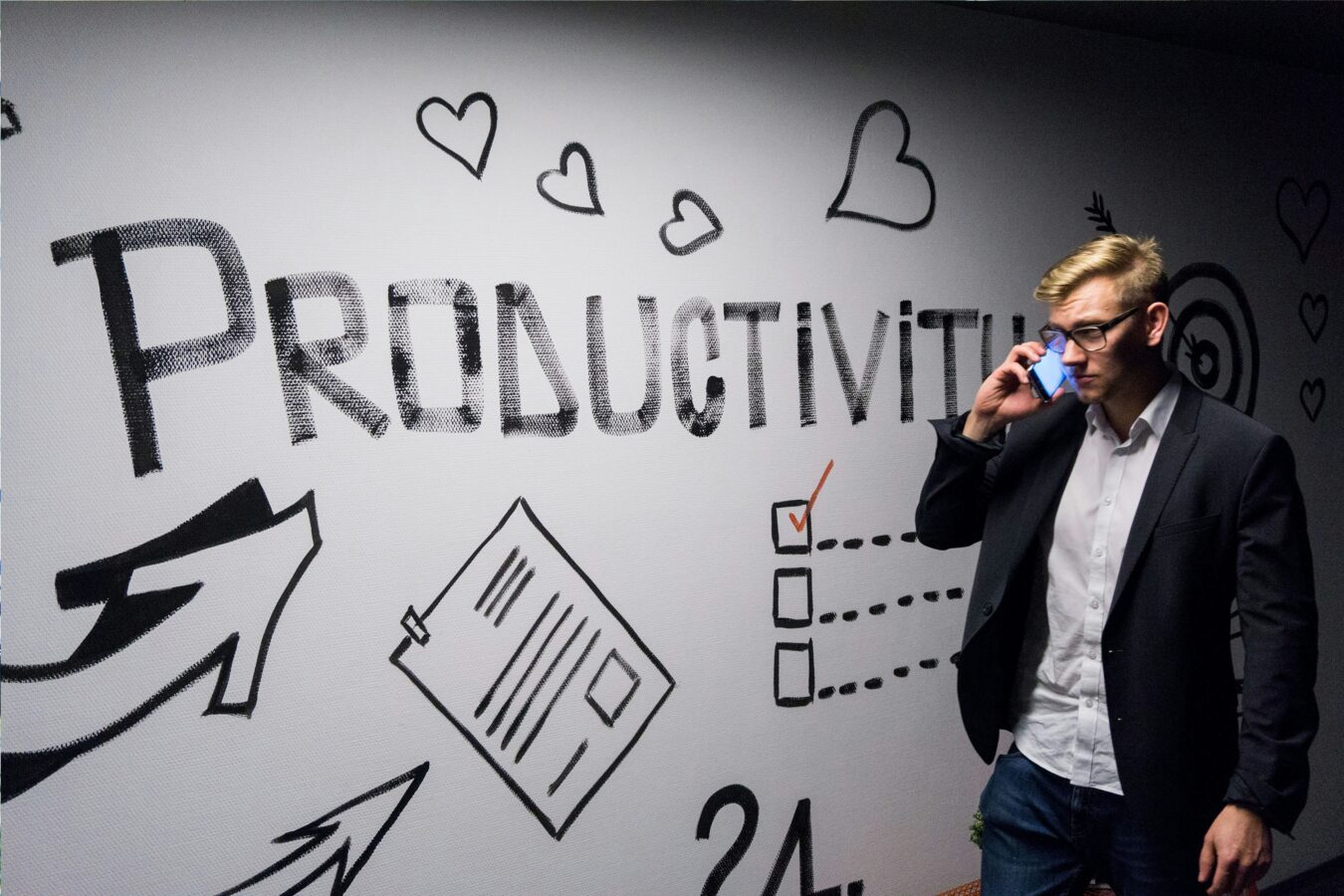
The Fall Productivity Challenge
As the days shorten and the air gets crisp, many of us feel a dual pull: the cozy urge to slow down, and the relentless pressure of end-of-year goals. It's a tricky time. The anticipation of holidays mixes with looming deadlines, often leading to increased stress and a higher chance of burnout.
I've been there, feeling that squeeze. It’s like the universe decides to pile everything onto your plate just as the light starts to fade earlier. With 72% of remote workers reporting burnout, and the average work week now stretching to 47 hours, it’s clear that our traditional approaches aren't cutting it anymore. We’re constantly connected, always available, and that "always-on" expectation can lead to serious information overload. This season demands a more intentional, proactive approach if we want to maintain our focus and avoid feeling completely swamped.
Practical Steps: 10 Productivity Boosters
Here are some real-world strategies I’ve found work when the pressure starts to mount. They're about making small, consistent shifts that add up to big results.
Re-establish a Morning Routine.
Your morning sets the tone for everything that follows. Instead of hitting snooze until the last possible second and then rushing into your day, try building a consistent routine. It doesn't have to be complex. It could be 15 minutes of quiet contemplation, a strong cup of coffee while you glance at your plan, or a quick walk. This routine reduces decision fatigue and helps you ease into focused work rather than dive head-first into chaos.Optimize Your Workspace with a Fall Deep Clean.
A cluttered space often leads to a cluttered mind. It creates subconscious stress, making it harder to concentrate. Take some time to declutter your physical desk, organize your digital files, and make sure your lighting is good. When your environment is clean and organized, it signals to your brain that it’s time to focus. Think of it as preparing your battleground for deep work.Strategic Goal Setting (Quarterly Focus).
The end of the year feels far off, but it's really not. Now is a great time to revisit your big yearly goals. Break them down. What do you realistically want to achieve by the end of this fall, and then by the end of winter? Creating bite-sized quarterly goals makes larger objectives feel more manageable and gives you a clear direction through the busy season.Mindful Planning and Prioritization.
Don't just react to your day; plan it. I always grab my planner (digital or physical, whatever works for you) and map out my week. Identify your top three priorities for each day. These are the non-negotiables. Then, schedule focused blocks of time to tackle them. This proactive planning prevents that overwhelming feeling when you stare at an endless to-do list.Work When You're Most Productive (Align with Natural Clock).
We all have different energy cycles. Are you a morning person who tackles the hardest tasks before noon? Or do you hit your stride in the afternoon? Identify your peak energy times and reserve them for your most brain-intensive work. Use your lower-energy periods for lighter duties like answering emails, organizing, or administrative tasks. Don't fight your natural rhythm; work with it.Implement the Pomodoro Technique or Time Blocking.
Focused work in short bursts is often more effective than long, drawn-out sessions. The Pomodoro Technique suggests 25 minutes of focused work followed by a 5-minute break. You can adjust this—maybe 50 minutes of work, 10 minutes off. The point is to create structured intervals. These breaks are crucial for maintaining concentration and preventing burnout. They allow your brain to reset and come back refreshed.Limit Digital Distractions.
This one is huge. Our phones, our email notifications, our social media feeds—they're all designed to pull our attention away. Designate specific times for checking emails, and turn off all non-essential notifications during your focused work blocks. I used to spend hours gaming and doom-scrolling, feeling like I was "relaxing" but really just draining my mental energy. When I finally drew a hard line and created specific, limited times for those activities, the amount of focused work I could get done exploded. Creating that uninterrupted space is a game-changer.Prioritize Outdoor Activity and Breaks.
Even as the weather gets cooler, don't underestimate the power of fresh air. Take short walks outside. Step away from your screen. It doesn't need to be a long hike; even 10 minutes can refresh your mind and boost your mental clarity. Breaks, especially those that involve moving your body and seeing some natural light, help reset your brain and body, making you more effective when you return to your tasks.Ensure Adequate Sleep.
This sounds obvious, but it’s often the first thing we sacrifice when we get busy. Sleep isn't a luxury; it's fundamental to cognitive function, energy levels, and overall well-being. If you're not getting enough rest, your productivity will suffer, no matter how many other boosters you try. As the clocks change in the fall, make a conscious effort to adjust your bedtime earlier to smoothly transition and avoid losing precious sleep.Practice Regular Reflection.
At the end of each week, take 10-15 minutes to review. What went well? What challenges did you face? How could you refine your strategies? This isn't about judgment; it's about learning and growing. It’s how you adapt your approach and keep improving, ensuring you’re not making the same mistakes over and over again.
Why These Boosters Work
These aren't just random tips; they're grounded in how we, as humans, function best. They work because they promote intentionality in a world that constantly pulls us into reactivity. They help us create clearer boundaries between work and personal life, something that 89% of employees now list as a top priority. When you’re intentional with your time and energy, you leverage your natural energy cycles instead of fighting against them.
Prioritizing your mental and physical well-being isn't a soft skill; it's a productivity superpower. This holistic approach directly counters the exhausting effects of digital overload and the seasonal shifts that can throw us off balance. Think about it: employees who achieve a healthy balance between their work and personal life are more productive, enjoy stronger relationships, and experience less stress. Studies even show that remote workers with clear boundaries experience 40% less stress and 35% higher job satisfaction. These boosters build that essential framework for healthy boundaries and sustained performance.
Conclusion
The busy fall season doesn't have to be a grind that leaves you feeling drained and behind. By embracing these simple, actionable strategies, you can transform these demanding months into periods of sustained focus and achievement. It’s not just about getting more done; it’s about fostering personal well-being alongside your professional success. The companies and individuals who figure out this new balance will be the ones who thrive. Those who don't risk burnout, high turnover, and decreased productivity. Take control of your fall; your future self will thank you.

See also in Productivity
15 Ways to Enhance Your Learning Speed
25 Tips for Mastering Email Management
20 Productivity Tips for End-Year Boost
10 Strategies for Consistent Progress Tracking
Maximize Short Days with Smart Planning
9 Rules for a Simpler Day