The days are getting shorter, and that familiar crispness in the air means we're heading deep into the darker months. For many of us, this seasonal shift can feel like hitting a wall, making it tough to stay focused and energized, especially as evening settles in.
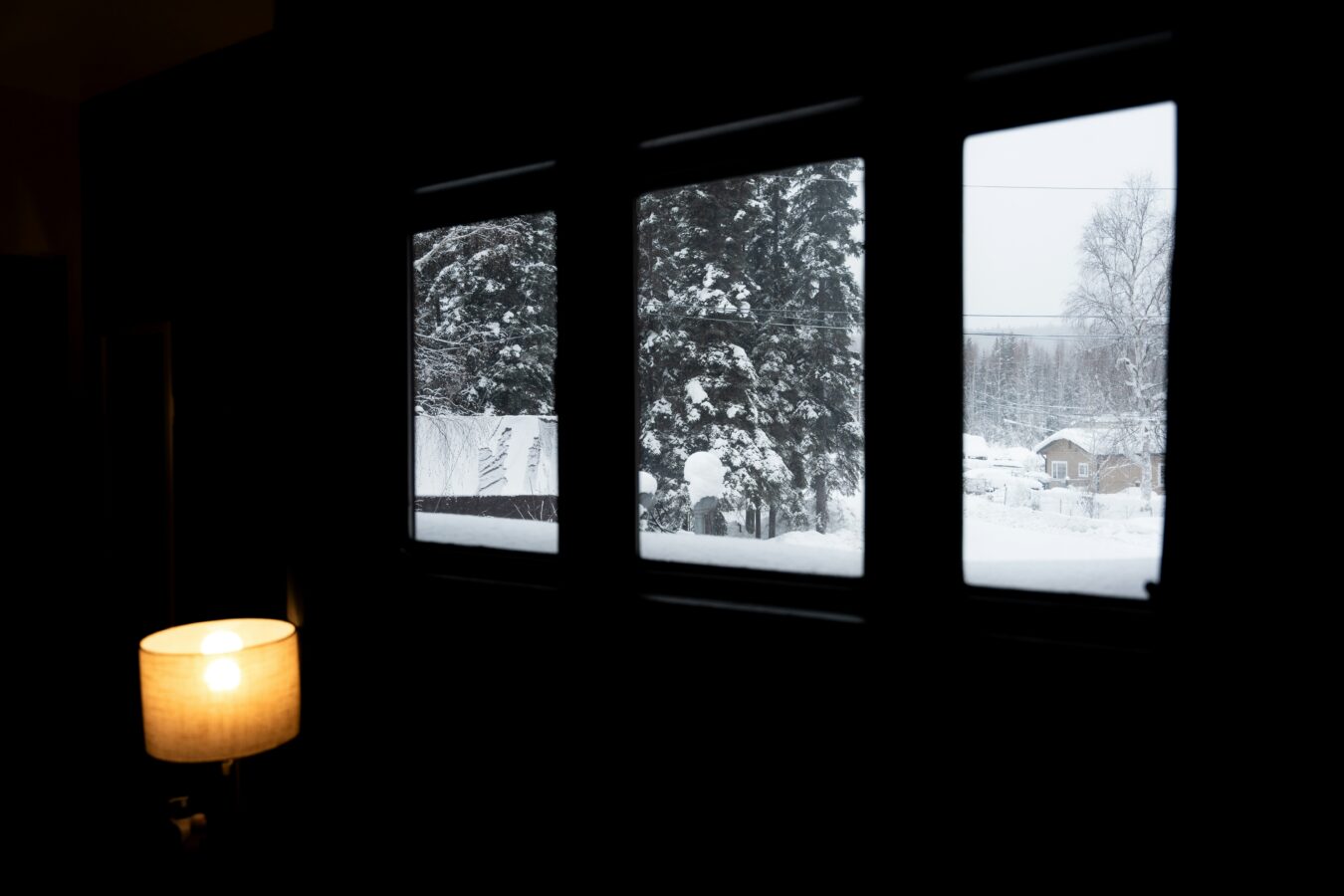
The Winter Productivity Challenge: How Darker Evenings Affect Us
I've been there, staring at a screen as the sky outside turns inky black at 4 PM, feeling my motivation slowly drain away. It's not just in your head. The shift is real, and it impacts a lot of us. With Daylight Saving Time recently ending on November 2, 2025, those evenings feel longer, earlier. This annual change, combined with less natural light overall, really messes with our internal clocks.
Our bodies are designed to respond to light. Reduced exposure to natural light in the evenings can throw off your circadian rhythm, which is your body's natural sleep-wake cycle. When this happens, your brain starts producing more melatonin, the hormone that makes you sleepy, and less serotonin, which helps regulate mood and energy. This is a big reason why you might feel that familiar winter sluggishness creeping in. In fact, seasonal depression is anticipated to peak during the third week of November 2025, and it’s a good reminder that many people struggle this time of year.
The symptoms can feel a lot like what's often referred to as Seasonal Affective Disorder (SAD) – things like fatigue, difficulty concentrating, and just a general feeling of being worn out. As one expert put it, "Without sufficient daylight – especially when combined with too much artificial light in the evenings – these rhythms can drift out of sync with the external world." It's like your body is constantly trying to hit the snooze button, even when your mind wants to get things done. I know for me, two-thirds of workers feel less productive in winter, so you're definitely not alone in this fight.
Practical Steps: 10 Ways to Boost Your Productivity
So, what can we do when the sun checks out early? It’s not about fighting the season, but adapting to it. Here are ten practical strategies I've found helpful for keeping my energy and focus up when the dark descends.
- Maximize Natural Light During the Day: This might seem obvious, but it's crucial. I make sure my workspace is as close to a window as possible. I open the curtains wide and keep blinds up. Every bit of natural light you can soak in during the day helps set your internal clock for the evening.
- Use Light Therapy: If natural light isn't enough, consider a light therapy lamp. These mimic natural daylight and can make a real difference in boosting your mood and energy, especially first thing in the morning. I’ve heard from friends who swear by them, saying it makes a noticeable difference in their morning drive.
- Establish a Consistent Routine: Our bodies thrive on routine. Sticking to a consistent daily schedule, especially for waking up and going to bed, helps regulate your natural rhythms. This predictability can keep your focus sharp and reduce that "drift" feeling when the evenings get dark.
- Incorporate Regular Exercise: Even when it's chilly outside, moving your body is a game-changer. A brisk walk during lunch, an at-home workout, or hitting the gym – any physical activity boosts energy and improves mood. I found that a short workout mid-day can give me the mental kick I need to power through the afternoon and evening.
- Optimize Your Work Environment: Make your workspace somewhere you want to be. For me, that means a comfortable chair, good lighting, and maybe a plant or some artwork to make it feel less sterile. Good quality headphones can also create a focused bubble, blocking out distractions.
- Set Small, Achievable Goals: When motivation is low, big tasks can feel overwhelming. Break them down. Focus on one small, manageable chunk at a time. Checking off those smaller items creates momentum and gives you a sense of accomplishment that builds up over the day.
- Maintain a Healthy Diet and Hydration: What you put into your body directly impacts your energy. Focus on nutrient-rich foods, plenty of fruits, vegetables, and lean proteins. It's tempting to reach for comfort foods and sugary snacks when it's dark and cold, but those lead to energy crashes you want to avoid. Drink plenty of water throughout the day, too.
- Take Intentional, Screen-Free Breaks: Don't just scroll on your phone. Step away from all screens. Stretch, walk around, or engage in some quiet contemplation. Even five minutes of intentional stillness can refresh your mind and help you refocus when you return to your task.
- Plan Engaging Activities: It's easy to just want to hibernate, but planning social events, pursuing a hobby, or even just looking forward to a weekend trip can be mentally stimulating. Having something enjoyable to anticipate gives you a reason to push through the work and can lift your spirits.
- Prioritize Quality Sleep: This is non-negotiable. A relaxing pre-sleep ritual, a dark and quiet bedroom, and avoiding bright screens before bed are key. When I finally quit smoking and vaping, one of the biggest benefits was a dramatic improvement in my sleep quality. That better sleep then fed directly into better daytime focus and energy. Good sleep hygiene is your best defense against the evening slump.
Why These Strategies Work: The Science and Psychology
These strategies aren't just feel-good suggestions; they’re grounded in how our bodies and minds actually function.
When you maximize natural light during the day, you're directly counteracting the biological effects of reduced light. Exposure to bright, natural light, especially early in the day, helps synchronize your circadian clock. It tells your body to suppress melatonin production, keeping you alert and improving reaction times. It’s like hitting the "reset" button for your internal rhythm.
Exercise is a powerful tool. It releases those natural "feel-good" chemicals in your brain that improve mood, reduce feelings of anxiety, and give you a sustained energy boost. It’s a direct antidote to that sluggish feeling.
A well-structured routine provides a sense of control and purpose. When you know what’s coming, your brain doesn’t have to work as hard to decide, reducing mental fatigue and preventing procrastination. It creates a scaffold for your day that holds you steady, even when the external world is dark.
And intentional breaks? They're not just about resting; they're about allowing your brain to process and consolidate information, which actually makes you more efficient when you return to work. It’s like giving your brain’s CEO a short, focused break so it can make better decisions later.
These aren't magic bullets, but consistent application of these habits builds resilience. It’s about creating an environment and a routine that supports your natural rhythms, rather than fighting against them.
Embracing the Season While Maintaining Effectiveness
The darker evenings are a reality of this season. We can either let them drag us down, or we can adapt and find ways to thrive. These ten strategies are about being proactive, taking control where you can, and supporting your body’s natural processes.
It’s not about working harder, but working smarter, and being kind to yourself as you navigate the unique challenges of the season. Embrace the cozy aspects of winter, but don't let the darkness steal your drive. With a few intentional adjustments, you can keep your productivity high and feel good doing it, no matter how early the sun goes down.