

The world is exhausting. You don't need another giant resolution you’ll break by February. You need practical, low-pressure adjustments that actually deliver peace and strength. Let's quit the hustle and find quiet.
I’m tired of the noise. I’m tired of the constant, low-level anxiety that feels like static clinging to the back of my neck. If you’re reading this, you probably are too. You’ve been told to hustle harder, optimize more, and use every waking hour to build "the empire."
But what if the empire you need to build is internal? What if the highest form of discipline isn’t about maximizing output, but about maximizing your capacity for stillness and robust strength?
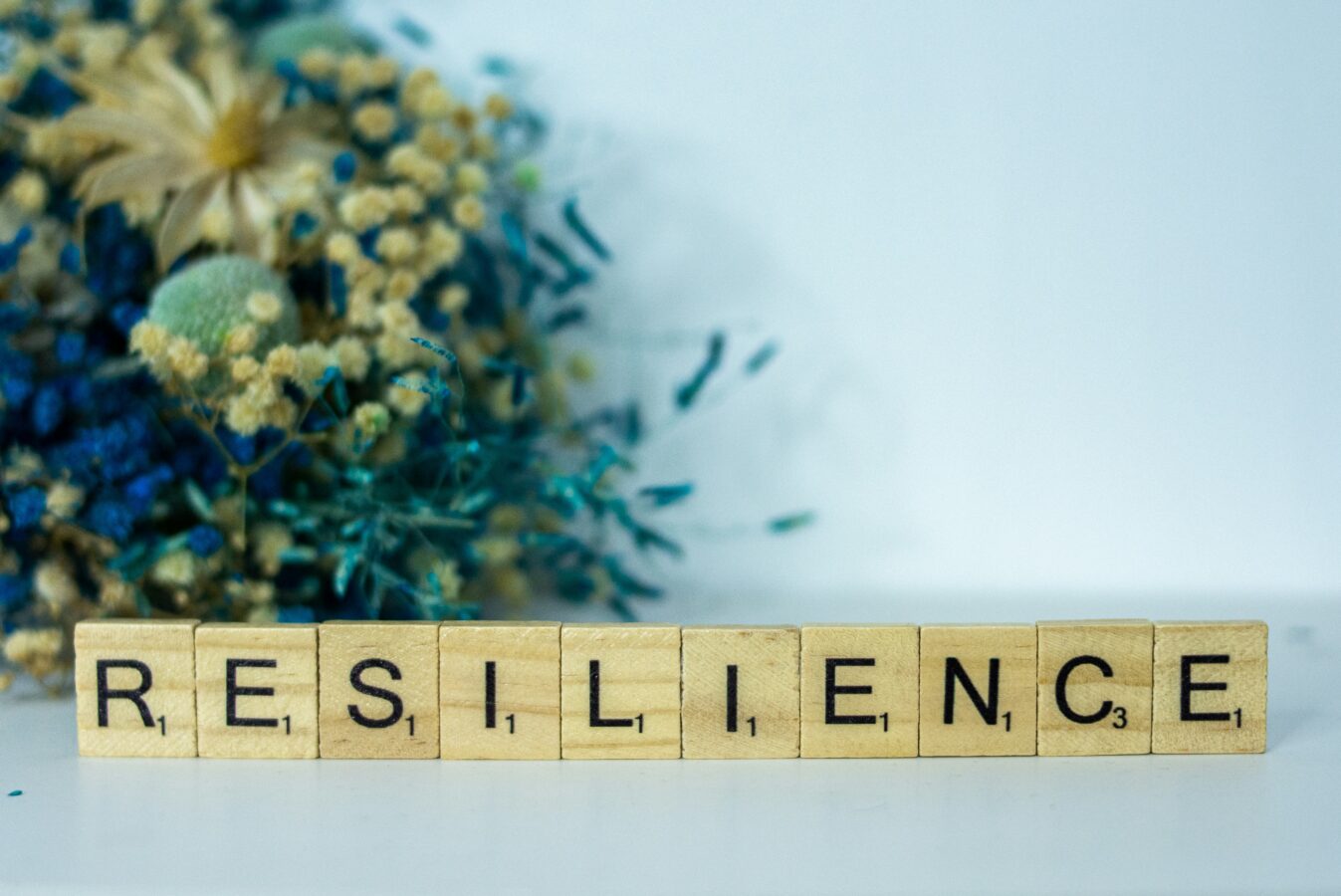
That’s the core principle we’re going to work with. We aren't aiming for perfection. We’re aiming for resilience—the ability to take a hit and keep moving without spiraling into dread. We do this by attacking ten key areas of life, one manageable piece at a time. Forget massive leaps; focus on the daily, undeniable win.
We aren't creating a life coach manifesto; we’re laying down tactical tools.
The New Fundamentals: Building Resilience from the Ground Up
Resilience isn't a purely intellectual trait. It is deeply physical. Before you try to optimize your output, you need to stabilize the machine you operate in.
1. Anchor Your Body with Strength Training
You don’t have to become a competitive powerlifter, but you do need to feel capable in your own skin. Strength training is one of the most powerful anti-anxiety tools available, period. When you lift heavy things, your nervous system learns how to recruit resources, manage intense stress, and recover efficiently.
This translates directly to emotional stability.
When your body feels fragile, your mind follows suit. When you feel physically strong, you approach stress with the quiet confidence of someone who knows they can handle discomfort. Research even backs this up, showing that dedicating time to intentional resistance work drastically improves mental health outcomes. I’m talking 2-3 sessions a week focusing on major lifts. If you're new to this, start small, but start dedicated to intentional resistance work.
2. Focus on Gut-Brain Synchrony
You’ve heard the phrase "second brain." It’s cliché because it’s true. The vast ecosystem in your gut influences mood, energy levels, and even clarity of thought. Poor diet is a primary source of inflammation, and inflammation creates mental fog and anxiety.
This doesn't mean dieting. It means choosing high-fiber, nutrient-dense foods that your body can process without a struggle. Hydration is non-negotiable. Reducing processed sugar and quick carbs stabilizes blood sugar, which is crucial for preventing the physical crash that often triggers emotional spirals. Feed the system what it needs to run quietly, not frantically.
3. Prioritize Quality Sleep: The "New Fit"
Seven to eight hours of high-quality sleep isn't a luxury; it’s the bare minimum required for cognitive function and emotional regulation. Everything else—your diet, your discipline, your strength—falls apart without it.
If you are chronically running a sleep deficit, you are choosing to operate your life with the emotional bandwidth of a toddler. Be brutal about protecting your sleep environment and your bedtime routine. Dim the lights, eliminate screens an hour before bed, and ensure your room is cool and dark. Treat your sleep schedule like the most important business meeting of the week. Because it is.
4. Declutter Your Home for Clarity
Your environment is an extension of your mind. A chaotic living space translates to chaotic thinking. It's a constant, low-grade distraction.
You don't need to become a minimalist overnight. Start small. Pick one drawer, one desk, or one counter, and clear everything that doesn't belong there. The physical act of imposing order gives your brain a win. It creates a pocket of visual silence that lowers your overall stress load. Do this consistently—just 15 minutes a week—and watch how much clearer your decisions become.
Disciplined Action: Skills, Silence, and Strategy
Once the physical foundation is solid, you need to build mental muscle. This means applying discipline not to busywork, but to deep, meaningful tasks that provide long-term stability and internal peace.
5. Dedicate Time to "Deep Work" Skill Acquisition
In a world defined by constant pings and notifications, the ability to focus without distraction is almost a superpower. Deep work—protecting large blocks of time to apply maximum cognitive effort to a valuable task—is the key to skill acquisition and genuine productivity.
This isn't just for career growth. Mastering a skill, whether it's coding, writing, or learning an instrument, gives you a profound sense of self-efficacy. It tells your brain, "I can do hard things." Schedule these blocks and guard them fiercely. Turn off the internet if you have to.
6. Tackle an Indoor Financial Skill
Few things cause more existential stress than feeling out of control of your finances. This isn’t about earning more right now; it’s about establishing control over what you already have.
Choose one indoor, low-pressure financial task you’ve been avoiding. Set up an emergency fund transfer. Review your budget for the last month. Automate your bill payments. This small act of administrative discipline reduces future anxiety by eliminating uncertainty. It replaces vague dread with concrete numbers.
7. Cultivate Stillness through Quiet Contemplation or Creative Work
We need structured silence. This is the antidote to the twenty-four-hour news cycle and the social media scroll. This doesn't require complex rituals. It requires discipline.
For me, the practice of prayer rooted in the Christian Orthodox tradition serves this purpose completely. It’s a dedicated time of setting aside the world’s clamor to focus inward on Scriptural teachings and quiet repetition. I found that when I quit drinking and realized how much internal space I had to manage, this practice became indispensable. It provided a stable anchor when my previous coping mechanisms failed.
If formal prayer isn't your path, engage in a creative, hands-on hobby that demands focus: drawing, woodworking, or complex cooking. These activities force a temporary break from digital consumption and channel mental energy into constructive action, leading to true internal quiet.
Intentional Connection: Recharging Your Social & Digital Batteries
Discipline also applies to how you interact with the outside world—both the people around you and the technology you use.
8. Implement a Digital Detox/Deep Rest Goal
Your phone is designed to harvest your attention. You must intentionally carve out time where digital inputs are zero. This is deeper than just turning off notifications; it’s about scheduling blocks of "Deep Rest" where the only activity is genuinely restorative.
This might look like a device-free Sunday afternoon or simply ensuring the first and last thirty minutes of your day involve zero screen time. You are retraining your nervous system to tolerate boredom and stillness, which are crucial skills for emotional stability. When you stop chasing the next notification, you give your brain a chance to process and integrate.
9. Prioritize Intentional Social Self-Care
Social contact is not a secondary wellness activity; it’s a biological requirement. But not all social contact is equal. Forced networking or superficial group chats often drain energy.
Intentional social self-care means prioritizing high-quality, low-pressure interactions. Call one friend you genuinely trust and ask how they are, not what they can do for you. Schedule a specific time for a walk or a coffee with someone whose presence is genuinely restorative. Eliminate the social obligations that drain you and double down on the connections that stabilize you. This reduces the sense of isolation that often feeds anxiety.
10. Master a Micro-Habit
Finally, let’s talk about wins. You need to stack small, undeniable wins to build momentum. This is the concept of the micro-habit.
A micro-habit is a behavior that is so small and easy it feels almost ridiculous. Two pushups. Drink one full glass of water immediately upon waking. Write one sentence in your journal. The goal of the micro-habit is not the immediate benefit of the action itself, but the consistency. You are training the identity of someone who follows through.
If you can consistently hit that tiny target every single day, you are proving to yourself that you are disciplined and reliable. Once the micro-habit is automatic, you can slowly, incrementally increase the size. But always start ridiculously small. The momentum is the mission.
This year, forget the grand, unsustainable vision. Focus on the foundational work. Stabilize your body, create internal silence, and protect your focus. That’s how you build a life that doesn’t just survive the chaos, but handles it with quiet competence. That’s resilience. That’s good existence.

See also in Self-Improvement
Best Personal Development Blogs
15 Gifts for Someone with Depression
5 Life-Changing Self-Help Concepts
20 Methods to Heighten Awareness
How Cold Water Immersion Increases Norepinephrine by Up to 530% in Studies
20 Steps to Harmony Development