The cold weather is here, and every single food trend report for 2025 is screaming the same thing: You need functional, simple meals right now.
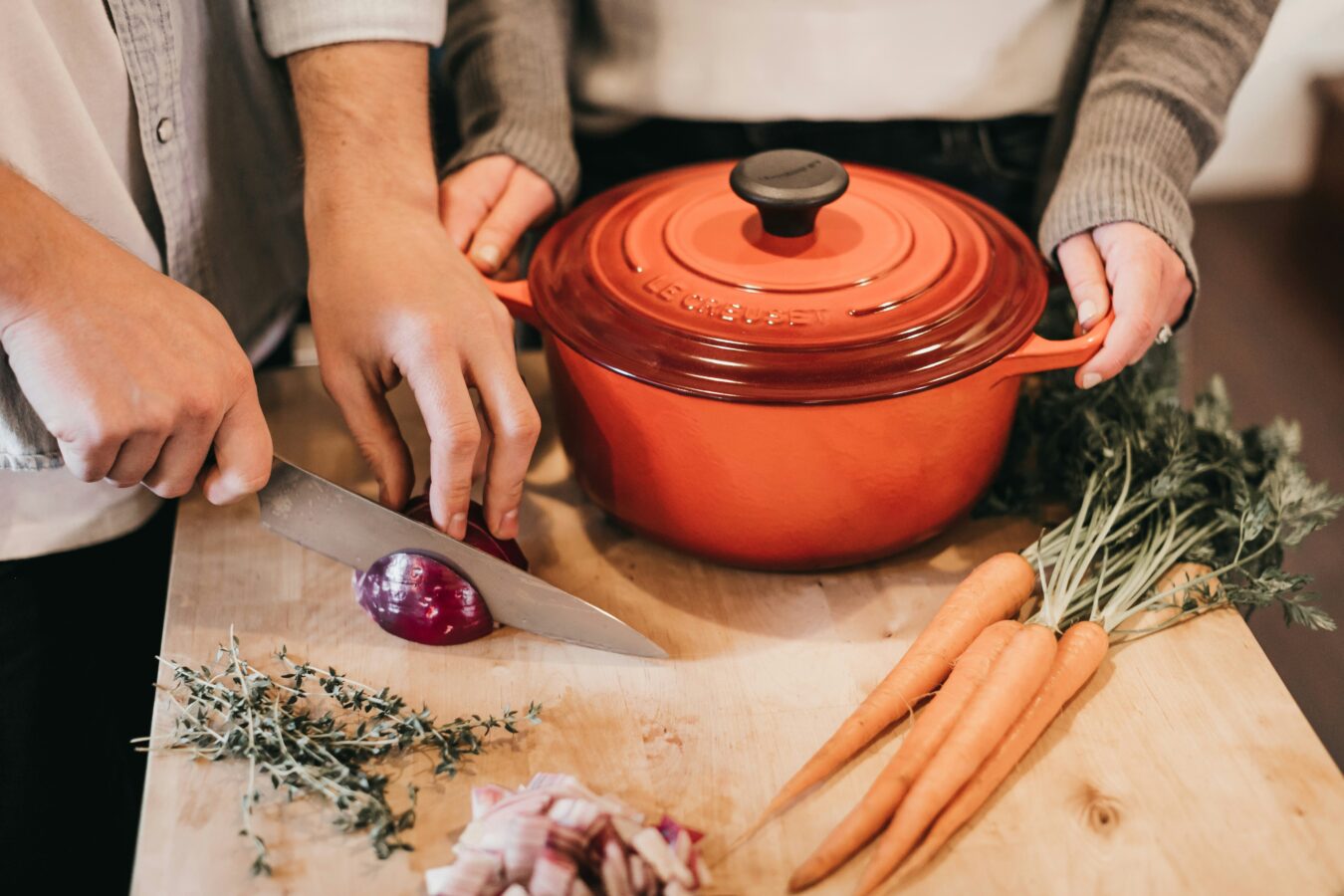
You don't need complicated detoxes or expensive powders. You just need to eat real food that works harder for you when the days are short and the energy is low.
I’ve spent years trying to optimize my own energy and output, and I know that the moment the temperature drops, your body starts craving three things: warmth, density, and efficiency. We want comfort, but we also can’t afford to feel sluggish.
This winter, the focus isn’t on dieting; it’s on fueling. The top Autumn/Winter 2025 food trends highlight a consumer-driven shift toward "Health & Wellness" and the increasing demand for "Functional foods" that actively support health-conscious choices.
That’s a fancy way of saying we all realize that if you put garbage in, you get garbage output. If you put in dense, warm, supportive foods, you get sustained energy and a better chance of pushing through cold and flu season without getting sidelined.
This is my pragmatic, no-fuss guide to eating well this winter, focused entirely on simple, often one-pot recipes that make nutrition easy when motivation is scarce.
The Science of Cozy: Why Healthy Winter Meals Matter
Winter fundamentally changes how we eat. Physiologically, we burn more energy just to stay warm, and psychologically, the lack of sun often pushes us toward simple carbohydrates and high-fat treats. That’s normal. We are hardwired to store energy.
But that doesn't mean we have to succumb to the post-meal crash every afternoon.
Winter eating, done right, is about prioritization. It’s a time to focus on ingredients that boost your internal warmth, provide sustained energy, and offer real protection against seasonal illnesses. We lean on root vegetables, hearty legumes, and warming spices for a reason.
The critical framework here is balance. Every proper winter meal should hit the three macronutrients in a smart way:
- Protein: Keeps you full and provides the building blocks your body needs (lean meats, beans, lentils, tempeh).
- Slow-Digesting Carbohydrates: These are the long-burn fuels that prevent energy spikes and dips (sweet potatoes, squash, quinoa, farro).
- Healthy Fats: Necessary for vitamin absorption, joint health, and a feeling of deep satisfaction (omega-3s from salmon, olive oil, nuts).
If you can nail that balance in a single, simple preparation—ideally, something that only dirties one pot or one pan—you win the entire winter.
10 Simple Recipes for Warmth and Wellness
The following recipes are chosen because they prioritize nutrient density while minimizing prep time. Most can be batch-cooked and reheated, or require less than 15 minutes of hands-on time before hitting the oven or stove.
Hearty Soups & Stews
Soups are the cornerstone of winter eating. They are inherently hydrating, warm, and highly efficient at delivering concentrated nutrients.
- Carrot and Ginger Soup: This soup is a nutritional powerhouse. The carrots provide immuno-supportive Vitamin C, and the ginger isn't just a flavor component; it’s known for soothing digestion and naturally warming the body from the inside out. You just chop, simmer, and blend.
- Greek Lentil Soup (Fakes): Lentils are seriously undervalued. This recipe is rich in plant-based protein and high in soluble fiber, which is crucial because digestion can often become sluggish during the winter months. Fiber aids gut function and helps stabilize blood sugar, meaning no post-lunch sugar crashes.
- Spicy Peanut Soup with Sweet Potato and Kale: This is the ultimate comfort dish if you are looking for plant-forward density. It’s naturally vegan and gluten-free, leveraging the incredible nutrient density of kale and the slow-releasing energy of sweet potato. It comes together quickly in one pot and feels indulgent without being heavy.
Simple One-Pan & Sheet Pan Meals
If you want to spend less time washing dishes and more time doing things that matter (like getting early rest or quiet contemplation), sheet pan meals are your best friend.
- One-Pan Roasted Chicken with Broccoli Rabe and Sweet Potatoes: This recipe is the textbook example of macronutrient balance. You have lean protein (chicken), slow-releasing carbs (sweet potato), and the Vitamin A and C-rich vegetable, all tossed together and roasted at the same temperature. Clean up is literally one sheet of parchment paper.
- Perfect Baked Salmon with Lentils and Lemon Herb Sauce: Fatty fish is non-negotiable in the cold months. This dish is rich in Omega-3 fatty acids, which are vital for maintaining joint flexibility and supporting brain health when the weather gets cold and damp. Baking the salmon alongside pre-cooked or quick-cooking lentils makes it an easy-to-clean, high-protein weeknight dinner.
- Healthy Slow Cooker Chicken Curry: Use your slow cooker. This is the definition of low-effort cooking. It’s packed with aromatic, warming spices like cumin, coriander, and chili, making it a highly flavorful, low-sodium option. You dump the ingredients in the morning, and dinner is ready when you finish your workday.
Plant-Forward Comfort Foods
You can chase deep satisfaction and comfort without relying on heavy cheeses or excess fat. These recipes bulk up classics with plant fiber and protein.
- Easy Tempeh and Winter Veg Tray Bake: Tempeh is a fermented soy product that is a foundational plant-based protein, typically offering around 20g of protein per 100g serving. Cutting it into cubes and tossing it with root vegetables like parsnips, carrots, and onions creates a simple, satisfying tray bake that requires minimal fuss.
- Lentil-Bulked Spaghetti Bolognese: This is a fantastic hack for making a childhood comfort meal healthier. Instead of using only beef, you bulk out the sauce with fiber-rich lentils. This allows you to use less meat without sacrificing that rich, thick texture, improving the dish’s fiber profile dramatically.
- Miso-Glazed Tofu & Squash: This dish is quick, simple, and delivers a profound umami flavor. It uses seasonal, savory-sweet squash and rich miso, which is excellent for gut health. Pair it with dark leafy greens like bok choy to make it a complete and deeply nourishing meal.
The Quick & Flavorful Side
- Quinoa & Winter Fruit Salad (Orange, Pomegranate): Don't overlook the power of complex, hearty sides. This recipe combines the earthy, slow-releasing energy of quinoa with the burst of seasonal citrus and fruit. It’s great served warm or cold and provides a dense energy boost perfect for midday meals.
The Framework: Balancing for Winter Health
It's easy to look at a list of ten recipes and feel overwhelmed. You don’t need to cook all ten this week. The point isn’t variety; the point is consistency.
Winter wellness is less about finding exotic ingredients and more about developing the discipline to feed yourself properly every day.
I learned a long time ago that caring for the body is a job of consistency, not intensity. I lift three times a week not for vanity, but because I’ve dealt with chronic back pain for years. If I skip those sessions, I pay for it. Eating well in the winter is the same—it’s about showing up consistently with the right fuel.
This requires a mental adjustment. The food choices you make during the cold, dark months determine your physical and mental resilience. When the world outside is gray and demanding, you need internal stability.
The Three Pillars of Cold-Weather Discipline
1. Embrace Batch Cooking:
These one-pot and sheet-pan meals are built for mass production. Dedicate 90 minutes on Sunday afternoon to making large batches of the Lentil Soup or the Chicken Curry. You are banking energy for the four or five evenings where you won't feel like chopping vegetables. This removes decision fatigue during the busiest times.
2. Hydrate with Warmth:
You forget to drink water when it's cold outside. Swap out cold water for warm herbal infusions, bone broth, or even just hot water with lemon and ginger. Hydration is key to immune function and overall vitality, and a warm liquid is far more appealing in January than a glass of ice water.
3. Use Meal Prep for Stillness:
When your body is nourished correctly, your mind is sharper, and your emotional stability improves. Eating food that requires your body to work overtime—processed sugars, fast-food fats—steals the physical energy you need for mental tasks. By prioritizing nutrient-dense meals, you are protecting your internal reserves. This creates the stability necessary for true focus and sustained quiet contemplation, ensuring you’re not hijacked by physical fatigue.
The winter is long, but it doesn't have to be sluggish. Adopt these simple, functional recipes, commit to the one-pot lifestyle, and treat your kitchen time like an investment in your well-being. Your body will thank you for the warmth, the density, and the consistent energy.