Winter can hit hard, making you feel sluggish and down. But you don't have to just ride it out. There are simple, practical steps you can take to keep your inner peace strong, even when the days are short and the air is cold.
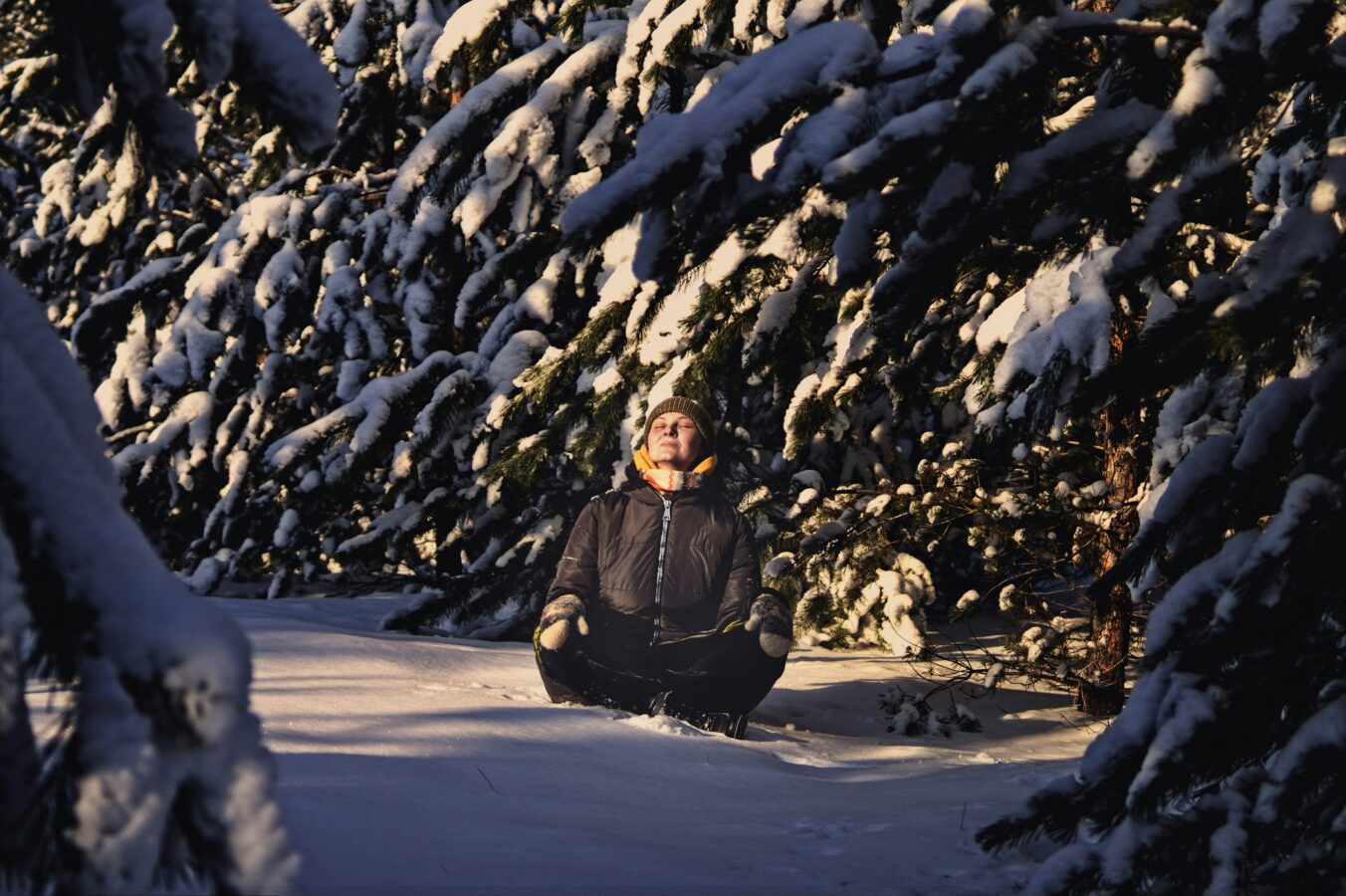
Embracing Tranquility in the Colder Months
As the chill sets in and the daylight hours shrink, it’s easy to feel the shift in our energy. For many, the transition from vibrant autumn to the quieter winter months brings a unique set of challenges. We often hear about the "winter blues," and for good reason. It’s a real thing, and it can affect your mood, sleep, and overall drive. In fact, experts predict that the challenging period of seasonal depression is likely to peak the third week of November 2025. This isn't just a gloomy feeling; it's a genuine emotional vulnerability that makes actively working on your inner calm more important than ever.
I've learned that you can't just wish these feelings away. You have to be intentional about creating a sense of peace within yourself. It's about being proactive, not reactive, especially when the world outside seems to be slowing down. This isn't about ignoring the season; it's about finding ways to thrive in it.
The Quest for Winter Inner Peace: Understanding the Challenge
Let's be honest, winter isn't always cozy blankets and hot cocoa. For many of us, it brings a real struggle. The reduced natural light, the colder temperatures, and even the often-demanding holiday season can take a toll on our mental and emotional well-being. It's why so many people talk about "winter blues" or even experience Seasonal Affective Disorder (SAD).
It’s not just in our heads. Our bodies are affected by the changes. The National Institute of Mental Health (NIMH) suggests that millions of Americans deal with SAD symptoms, which are often tied directly to those shorter daylight hours, less exposure to natural light, and even lower Vitamin D levels. Think about it: when your environment changes so drastically, your internal systems naturally react. You might find yourself feeling less interested in the things you usually enjoy, dealing with a sense of hopelessness, feeling utterly drained, or struggling to focus on simple tasks. It can feel like you’re trying to push through a thick fog. That's why building a shield of inner peace isn't a luxury; it's a necessity for getting through these months with your spirit intact.
10 Ways to Cultivate Your Winter Inner Peace: Practical Steps
It might sound daunting, but cultivating a sense of calm during winter is absolutely doable. It just takes a bit of discipline and intentionality. Here are ten practical steps I've found helpful, and I believe they can help you too.
- Embrace Natural Light. Even on cloudy days, get yourself outside, especially early in the day. That natural daylight, even when it's muted, does wonders for regulating melatonin production and resetting your internal clock. If getting outside isn't possible, a light therapy box used for 20-30 minutes each morning can make a real difference. Think of it as a dose of sunshine for your brain.
- Create a Cozy Sanctuary. Your home should be your haven, especially when it's bleak outside. Transform your living space into a warm, inviting retreat. Break out the soft blankets, make hearty, comforting meals, and enjoy hot beverages. The feeling of warmth and light around you can genuinely melt away stress and make you feel safe and grounded.
- Prioritize Intentional Movement. It’s tempting to just curl up and avoid moving when it's cold. But staying physically active is a powerful way to boost your mood and fight off those "winter blues." It doesn't have to be anything extreme. Daily walks, some light aerobic exercise, or a consistent strength routine can release endorphins that genuinely lift your spirits. Even when my back pain flares up, I make sure to lift weights three times a week. It’s not just about the physical benefit; it’s the mental clarity and sense of accomplishment that come with it.
- Nourish Your Body Intentionally. What you eat profoundly affects how you feel. During winter, it's easy to reach for comfort foods loaded with sugar and processed ingredients, which can lead to energy crashes and increased cravings. Focus instead on a well-balanced diet rich in fruits, vegetables, whole grains, and lean proteins. Eating well is a direct line to stable energy and a more even mood.
- Connect with Nature (Even Indoors). Don't let gloomy weather completely disconnect you from the natural world. Bring nature inside with houseplants, or plan enjoyable outdoor activities like winter hikes. There's something inherently calming about being in nature, even when it's stark and cold. It reminds you of the bigger picture and offers a different kind of beauty.
- Cultivate Meaningful Connections. Loneliness can feel magnified during winter, and it can worsen seasonal depression. Make an active effort to spend time with family and friends. Pick up the phone, schedule a coffee, or just chat. Equally important, practice setting healthy boundaries, especially during the busy holiday season. Protecting your energy from burnout is a crucial act of self-care.
- Practice Gratitude and Reflection. Taking time to acknowledge what you're thankful for can profoundly shift your perspective. Whether it's through journaling, simply thinking about positive things, or expressing thanks to others, gratitude strengthens your connections and fosters a more balanced, hopeful mindset. This is where the quiet contemplation found in prayer or Scripture can be particularly powerful for many, offering a sense of stillness and perspective amidst the internal and external busyness.
- Engage in Restorative Hobbies. When the days are short, it’s a perfect time to dive into indoor projects or pick up a new hobby. Journaling, learning an artistic skill, reading a good book, or even tackling a puzzle can give you something enjoyable to look forward to. It eases restlessness and provides a sense of purpose beyond your daily responsibilities.
- Establish a Consistent Sleep Routine. Your sleep schedule is vital for your well-being. Aim to wake up and go to bed at the same time every day, even on weekends. And try to avoid screens late at night. This consistency helps reset your circadian rhythm, which in turn improves your mood and energy levels. Disrupted sleep can throw everything else off.
- Seek Professional Support When Needed. If you find your mood, sleep, or motivation problems persisting for weeks, or if they start to interfere with your daily life, don't hesitate to reach out. Speaking to a doctor or a mental health professional is a sign of strength, not weakness. Seasonal Affective Disorder is treatable, and approaches like cognitive behavioral therapy (CBT) have shown great results. You don't have to suffer in silence.
Why These Practices Foster Inner Peace
These aren't just random suggestions. These strategies work because they actively counter the biological and psychological effects that winter can have on us. They're about taking control and building your resilience.
Getting natural light helps your body regulate essential hormones like melatonin and serotonin, which are critical for stabilizing your mood. Consistent sleep habits are like a reset button for your internal clock, bringing much-needed stability. When you move your body, you're not just exercising; you're boosting those mood-enhancing endorphins. Connecting with others combats the isolation that can so easily creep in during these colder months. And focusing your attention through quiet contemplation and intentional action helps reduce anxiety and brings you into the present moment.
By engaging in these practices, you're not just surviving winter; you’re actually allowing yourself to experience the season with more balance, authenticity, and a steady sense of inner peace. It’s about building a robust internal system that can weather any storm, literal or metaphorical.
A Winter of Calm and Resilience
The colder months don't have to be a period of dread or low energy. By intentionally applying these ten strategies, you're doing more than just coping; you're actively building a stronger, more resilient you. You're creating an inner environment where calm can flourish, no matter what's happening outside your window.
So, let's look at winter not as a challenge to be endured, but as an opportunity for deep personal cultivation. Embrace these practical steps, and you might just find that this winter becomes a season of unexpected calm, robust resilience, and even a quiet joy you hadn't anticipated.