As 2025 swiftly approaches, we’re all navigating a world that constantly pulls at our attention, making true self-care and mental balance feel like a luxury.
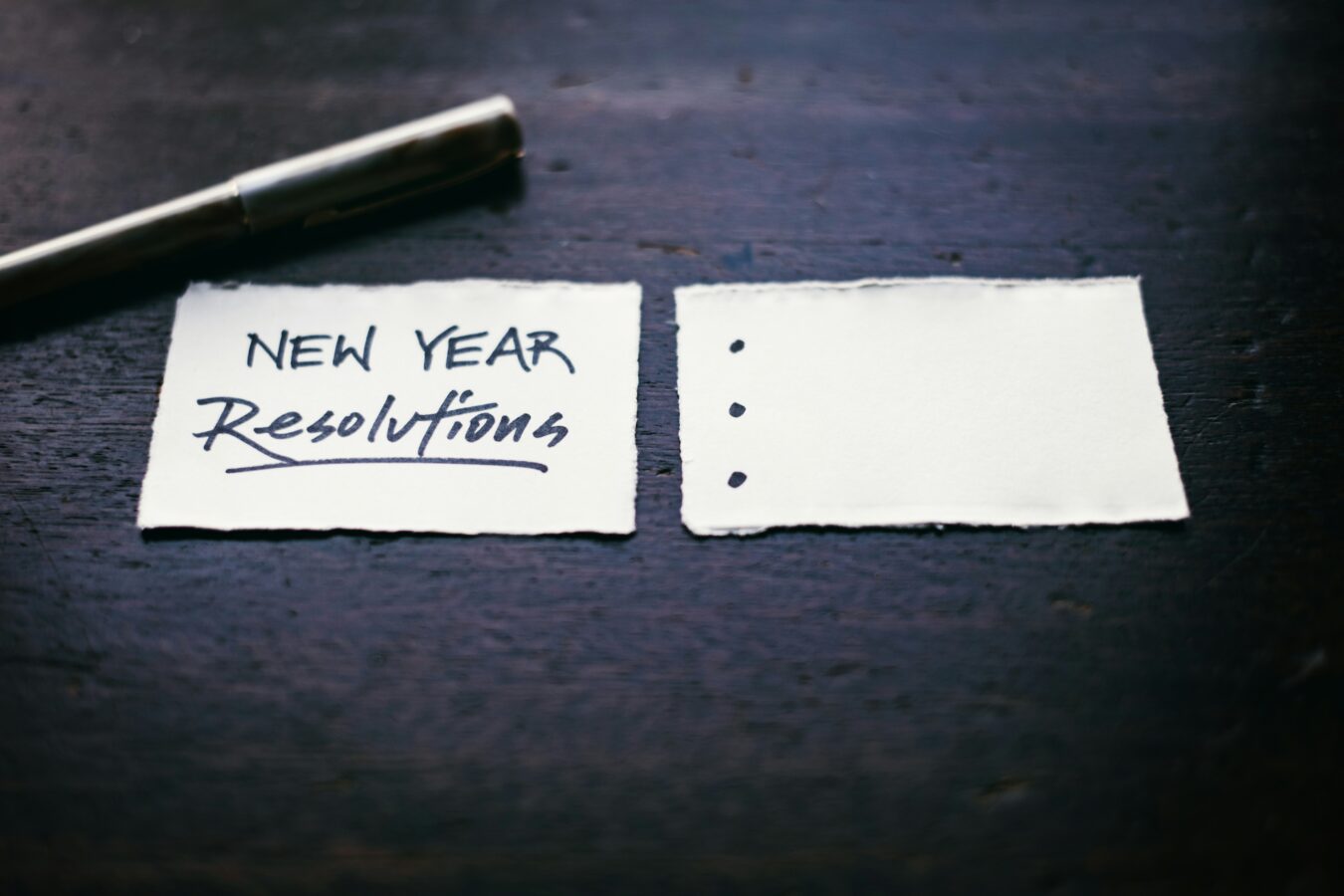
This December, amidst the holiday rush and year-end deadlines, there's a vital opportunity to hit pause. It’s a chance to process everything that's happened, not just to survive, but to truly thrive as we step into 2026. This isn't about rigid resolutions; it's about intentional reflection and preparing for a more balanced and fulfilling life.
Why Year-End Reflection Matters
You know that feeling when you're rushing through a project, only to realize later you missed a crucial step? Life can feel a lot like that. We often barrel through days, weeks, and months, constantly reacting, rarely stopping to truly see where we've been or what we've accomplished. This is where year-end reflection comes in. It’s not just a nice idea; it's a powerful tool for growth.
Think about it: how can you chart a better course if you don't know your current position? Reflection helps us connect the dots, understand our patterns, and build a clearer picture of who we are and what truly matters to us. It helps us consolidate all that raw experience into something meaningful. It’s how we turn just "living" into "learning and growing."
One study even showed that employees who spent 15 minutes reflecting at the end of the day performed 23% better than those who didn't. That's a huge boost just from a little bit of quiet thinking. It gives you perspective, helps you see what worked and what didn't, and makes you sharper for whatever comes next. Without it, you’re just repeating cycles, hoping for a different outcome.
10 Practical Ways to Reflect on Your Year
December isn't just for festive cheer; it's the perfect time to carve out some quiet moments. Here are ten practical ways to engage in deep, meaningful contemplation about your year, setting the stage for what’s next.
1. Reviewing Achievements and Challenges
Start by making two lists. On one, jot down every single achievement you can think of, big or small. Did you learn a new skill? Finish a tough project? Get through a difficult personal situation? Don't hold back. On the other list, acknowledge the significant challenges you faced. Maybe a setback at work, a personal struggle, or an unexpected hurdle. Seeing both sides gives you a comprehensive view of your journey.
2. Identifying Key Learnings
This step builds on the first. For each item on your achievement and challenge lists, ask yourself, "What did I truly learn from this?" It’s not just about the outcome, but the insights gained. Did you discover a new strength? Learn a painful but important lesson about boundaries? Did a challenge teach you patience or resilience? Focus on the wisdom you extracted.
3. Practicing Gratitude
It’s easy to get caught up in what went wrong or what’s still missing. Intentionally shift your focus. Dedicate time to list specific things you are grateful for from the past year. It could be big moments, like a family vacation, or small blessings, like a sunny morning or a kind word from a stranger. These can be experiences, the people in your life, or new opportunities that came your way. This practice can profoundly shift your perspective.
4. Assessing Relationships
Our connections with others are fundamental to our well-being. Take a moment to reflect on your key relationships—family, friends, colleagues, partners. Which ones thrived this year? Which ones felt neglected and might need more attention? What role did you play in their dynamics? Did you show up as the friend or partner you wanted to be? Be honest, but not overly critical. It's about understanding and making adjustments.
5. Reflecting on Personal Growth
Take a mental snapshot of yourself at the beginning of the year. Now, compare that to who you are today. What new skills have you acquired? How have your perspectives changed? Did you overcome a fear? Step out of your comfort zone? This isn't just about external accomplishments, but the internal shifts. How have you matured or changed the way you see the world?
6. Evaluating Financial Health
Money can be a source of stress, but ignoring it only makes it worse. This month, take a clear-eyed look at your financial inflows and outflows. Understand your spending habits. How much did you save? Where did your money go? This isn’t about judgment, but about awareness. Identify areas where you made good progress and areas where you might want to make improvements next year.
7. Digital Detox and Review
Our devices are powerful tools, but they can also be enormous distractions. Consider taking a conscious break from screens for a day or two. Then, review your digital habits from the past year. How did you spend your time online? Did it align with your values and goals? Were you doom-scrolling when you intended to be productive? This reflection can help you set healthier boundaries with technology. For me, quitting gaming and doom-scrolling was a massive hurdle. It took real discipline to reclaim those hours, and it's still a fight sometimes, but the payoff in mental clarity and actual accomplishment has been immeasurable.
8. Creative Expression
Sometimes, words aren't enough to capture the depth of our experiences. Find a creative outlet to express your feelings and experiences from the year. This could be drawing, painting, writing poetry, composing a simple tune, or even just doodling in a notebook. Don't worry about skill or talent; focus on the act of expression itself. It can be incredibly therapeutic.
9. Planning for the Future (informed by reflection)
After all this looking back, it's time to look forward, but gently. Based on your reflections, identify areas where you want to make changes or set intentions for the coming year. This isn't about creating rigid, impossible resolutions. It's about setting a direction, a guiding star, for what you want to cultivate or change in your life, informed by everything you've learned.
10. Structured Journaling for Contemplation
Dedicate specific time each day or week in December to structured journaling. Use prompts to guide your reflections on various aspects of your year. You could pick one of the points above each day. Write freely, without editing or censoring. This practice provides a tangible record of your thoughts and feelings, helping you process and consolidate your experiences.
The Psychological Benefits of Reflection
Taking time to reflect isn't just a feel-good activity; it has profound psychological benefits. When you regularly engage in this kind of self-assessment, you’re not just looking back, you’re building crucial internal muscles.
First, it enhances your emotional intelligence. By understanding why you reacted a certain way, what triggered you, or how you truly felt about an event, you gain a deeper understanding of your own emotions and reactions. This insight is a cornerstone of navigating life successfully and building stronger relationships.
Second, reflection helps reduce stress. When you process events, especially challenging ones, you move them from a chaotic jumble in your head to something more organized and comprehensible. This act of bringing order to internal chaos can significantly ease the burden of stress and anxiety. It gives you perspective, making problems feel less overwhelming and more manageable.
Finally, it boosts overall well-being. Knowing yourself better, understanding your strengths and weaknesses, and having a clear sense of direction all contribute to a greater sense of peace and control over your life. It's about intentional living rather than drifting. In my own life, adopting the discipline of daily quiet contemplation through prayer and Scripture, rooted in the Christian Orthodox tradition, has been a powerful tool for cultivating this inner stillness. It’s a deliberate turning inward, a practice of silence, that helps me process, find perspective, and recalibrate amidst the world’s noise.
Embracing the Power of December Reflection
December offers a natural pause, a seasonal invitation to slow down. Don't let the noise of the holidays or the pressure of the new year drown out this vital opportunity. By intentionally reflecting on your year, you’re not just looking backward; you’re gathering insights, celebrating growth, and forging a clearer, more purposeful path forward. It’s an act of self-care, a discipline, that will serve you well, not just for the coming year, but for a lifetime.