

Winter's coming, and instead of dreading it, why not lean in? The colder months offer a unique chance to slow down, reflect, and grow, transforming solitude from a challenge into an opportunity.
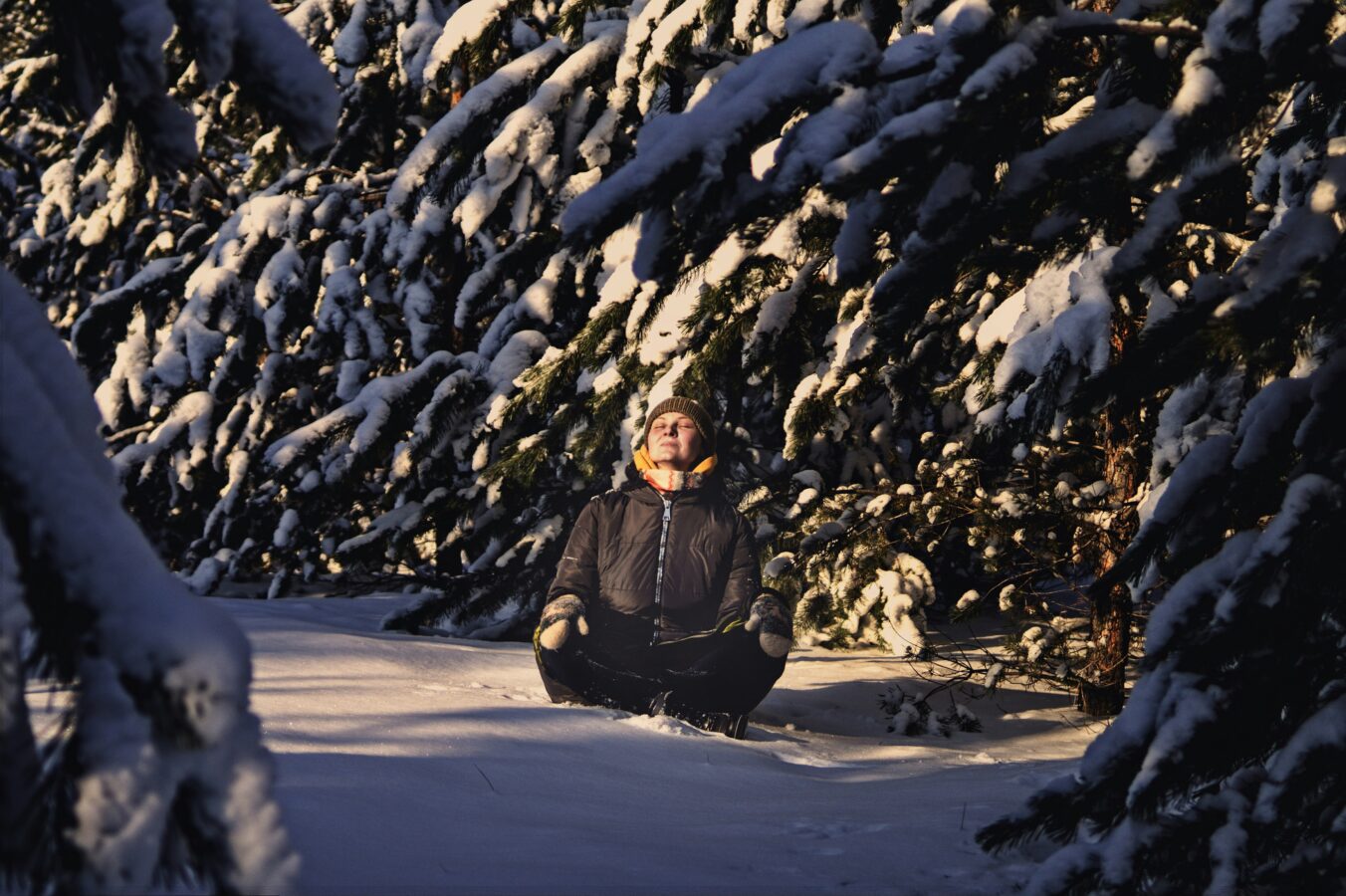
As we head into late 2025, there's a real buzz about shifting how we approach winter. Forget just "getting through" it. The conversation has moved to "winter pacing"—a mindful, intentional effort to really care for our nervous systems and emerge stronger on the other side. This concept of winter pacing is more than just a trend; it's a recognition that these darker, colder months aren't a test of endurance, but an invitation for deep self-care and personal development. We're seeing a push to prioritize gentle, intentional living, and a significant part of that is making time for solitude. This isn't about being lonely, but about choosing to be alone, to listen to ourselves, and to recharge.
Understanding Winter Solitude: More Than Just Dark Days
For too long, many of us have seen winter solitude as something to endure. We look at the shorter days and the chill in the air and think of isolation, perhaps even a bit of sadness. But what if we flipped that script? What if we saw this period not as a lack, but as an abundance?
I'm talking about reframing solitude from potential loneliness or inactivity to an invaluable opportunity for introspection, rest, creativity, and personal development. Think about it: when the world outside slows down, there's a natural cue for us to do the same. This isn't about withdrawing from the world entirely, but about choosing deliberate moments of quiet, free from the constant noise and demands of everyday life. This chosen solitude is a powerful tool. It allows for a clarity of thought that's often hard to find when you're constantly pulled in a dozen directions. It helps you reduce distractions and fosters a stronger, more authentic sense of who you are. It’s a time to reconnect with your core, to hear your own thoughts, and to nurture the parts of you that get overlooked in the hustle and bustle of busier seasons.
The 12 Mindset Shifts for a Fulfilling Winter
Embracing winter solitude means adopting a few key mindset shifts. These aren't just feel-good ideas; they're practical adjustments that can transform your entire winter experience.
Embrace the Hygge Philosophy. This Danish concept is all about cultivating coziness and comfort. It's about lighting candles, snuggling under a blanket with a warm drink, and finding joy in simple, domestic pleasures. It’s recognizing moments of contentment, even when it's bleak outside, and actively creating a warm, inviting atmosphere at home.
Reframe Darkness as Opportunity. Instead of lamenting the longer nights, see them as an invitation. An invitation for deeper rest, for quiet contemplation, and for turning your focus inward. This shift in perspective can genuinely help manage those low-energy feelings some of us get when the light fades. It’s not a lack of light; it’s a canvas for your inner world.
Prioritize Rest and Sleep. Winter is nature's cue to slow down. Your body knows this, even if your busy brain tries to resist. Acknowledge this natural dip in energy and allow yourself more rest. Listen to your body's signals. If you feel tired, lean into it. Quality sleep isn't a luxury; it’s fundamental for your overall health and well-being, especially when the days are short.
Cultivate Inner Stillness. The quiet of winter is an ideal time to really get to know yourself without external noise. Use this period to engage in quiet contemplation, disciplined self-reflection, or journaling. This helps foster self-awareness and can significantly reduce stress. For me, a profound tool for finding this stillness has been my Orthodox faith. Regular prayer and reading Scripture in the quiet of the morning or evening provides a space to center myself, reflect on timeless truths, and calm my nervous system in a way that nothing else does. It's a discipline that grounds me, regardless of the season.
Find Joy in Slow Living. We're conditioned to always be busy, to chase productivity. Winter is a perfect time to resist that urge. Embrace slower routines: linger over meals, take longer to enjoy your morning coffee, read a physical book instead of endlessly scrolling. It's about being present and savoring moments, not rushing through them.
Connect with Nature (Even Indoors). Just because it's cold doesn't mean you have to disconnect from nature. Bring the outside in: add more plants, open your blinds to maximize natural light, or find a spot by a window to watch the winter landscape. And don't shy away from bundling up for a short, brisk walk. Fresh air can do wonders for your mood and combat cabin fever.
Embrace Creative Pursuits. When you turn inward, you tap into a wellspring of creativity. Use the focused quiet of winter to dive into hobbies you've neglected. Whether it's reading that novel you bought months ago, trying your hand at writing, painting, or even learning a new skill online, these pursuits enhance mental stimulation and provide a deep sense of accomplishment.
Practice Self-Compassion. Winter can be tough on our energy levels and moods. Be kind to yourself. You wouldn't expect a tree to be in full bloom in January, so don't expect yourself to be constantly "on." Avoid harsh self-judgment for needing more rest, quiet time, or simply a slower pace. You're adapting, and that's okay.
Declutter and Organize. Since you're spending more time indoors, why not make your space a sanctuary? Use this time to declutter and organize your living environment. A tidy space often leads to a tidier mind. Reducing physical clutter can surprisingly reduce mental stress and create a more harmonious, calming atmosphere that supports your inner peace.
Cultivate Gratitude. It's easy to focus on what winter lacks (warmth, long days). But try shifting your focus to what it offers. The warmth of a cozy blanket, a hot cup of tea, the quiet beauty of a snowy landscape, the simple comfort of being indoors. Actively looking for things to be grateful for can profoundly shift your perspective away from perceived hardships.
Engage in "Winter Arc" Self-Improvement. This is about dedicating the winter months to personal growth. Think of it as your own personal season of quiet self-betterment. Set small, achievable goals that contribute to your overall physical and emotional health. Maybe it’s committing to a new learning habit, or consistently following a simple strength routine. It's about using this inward time to build healthy habits that will serve you year-round.
View Solitude as Empowerment. Ultimately, embracing time alone is an act of empowerment. It fosters self-reliance, strengthens your independence, and clarifies your personal identity. When you truly connect with yourself in solitude, you become more grounded and resilient, ready to face the seasons ahead with renewed strength and clarity.
The Profound Benefits of Intentional Winter Solitude
These mindset shifts aren't just about making winter bearable; they unlock profound benefits that extend far beyond the colder months.
First, you'll likely experience enhanced creativity and productivity. When your mind has space to wander without constant external demands, it can connect ideas in new ways, leading to original thought and more effective problem-solving. This isn't about doing more, but about thinking better.
Second, intentional solitude contributes to improved emotional regulation. Spending time alone helps you better understand your own emotions, their triggers, and how to manage them constructively. This leads to greater self-awareness and, over time, a deeper sense of emotional resilience. You become less reactive and more responsive to life’s ups and downs.
Third, you’ll find reduced stress and burnout. Our lives are full of demands—social, professional, personal. Intentional downtime provides a much-needed break from this constant barrage of stimuli. It’s a chance for your brain to truly rest, reducing mental fatigue and preventing that feeling of being perpetually overwhelmed.
Finally, and perhaps surprisingly, nurturing your inner world through solitude often leads to stronger relationships with others. When you're grounded, self-aware, and emotionally regulated, you bring a more complete and authentic self to your interactions. You're less needy, more present, and better able to connect genuinely, improving the quality of all your relationships.
Thriving Through the Darker Months
Winter solitude isn't a punishment; it's a gift. It's an opportunity to lean into a slower, more intentional way of living, to nurture your inner world, and to emerge stronger and more resilient. By embracing these 12 mindset shifts, you can transform a season that's often dreaded into one of profound personal growth and peace. So, as the days shorten and the air grows crisp, remember: this isn't just a time to get through. It's a time to thrive.

See also in Mindset
12 Mindset Shifts for Holiday Harmony
15 Mindset Hacks to Beat Holiday Stress
10 Mindset Tricks for Seasonal Positivity
The Cognitive Distortion Quietly Running Most of Your Decisions
10 Mindset Shifts to Help You Achieve Your Goals
15 Speed Reading Without Losing Comprehension