The cold weather is coming, and so is the bill. This winter, we have to fight back against rising energy costs with simple, intentional living and common sense hacks.
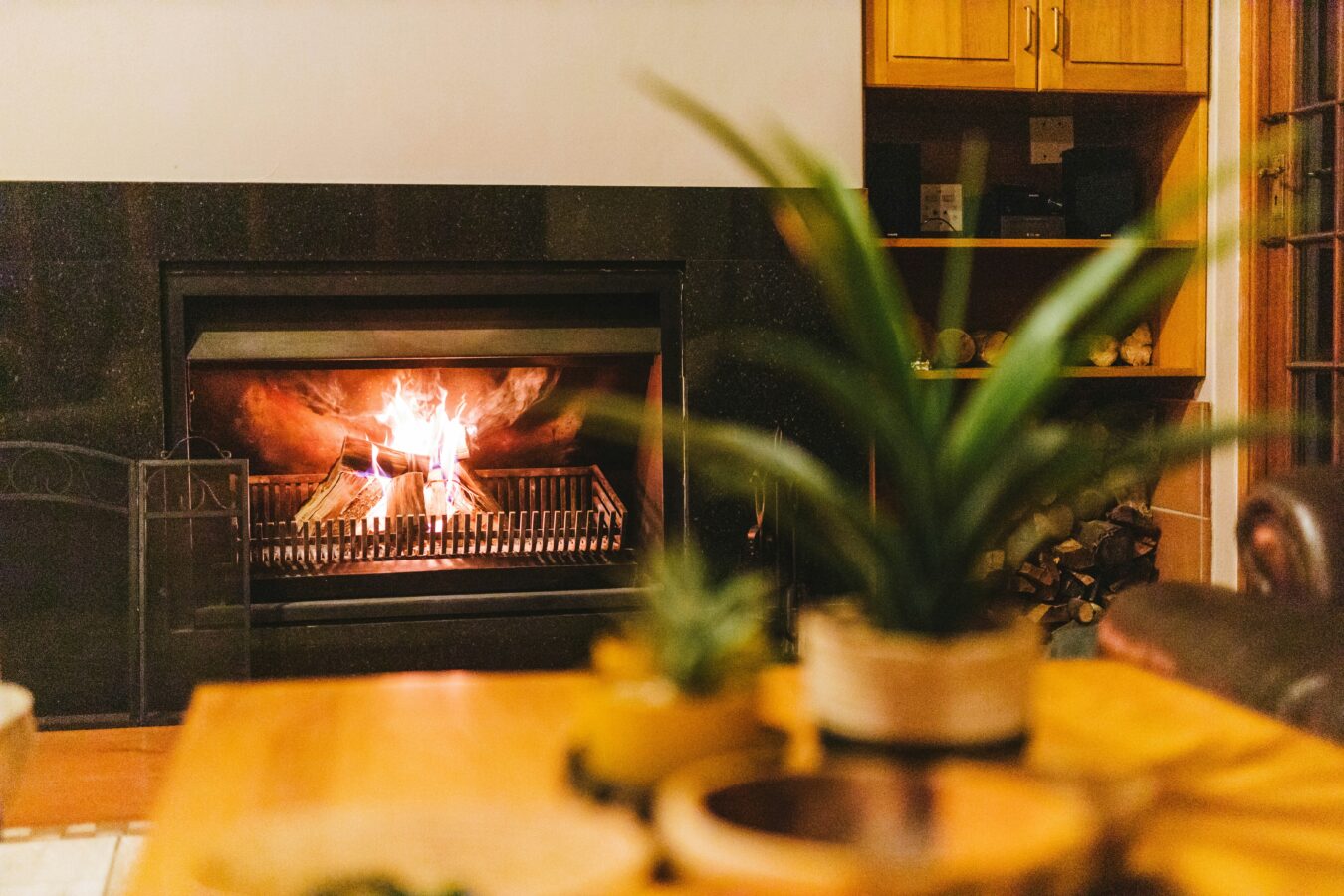
The move toward a simpler, more intentional life is never more practical than during the winter, especially as the financial pressure of the cold season rises. We hear the numbers every year, but the squeeze keeps getting tighter. For the upcoming season, average home heating costs are projected to increase by 7.6%, rising to about $976. This increase is largely driven by soaring electricity and natural gas prices.
When the stakes are high, you don't need complicated systems or expensive smart gadgets. You need simplicity. You need practical action. Simple living practices—low-cost methods that reduce consumption while maintaining thermal comfort—are the best and simplest defense against this rising cost.
The goal isn't just to save money; it's to reduce the financial anxiety that comes with watching the thermostat. It’s about being pragmatic and prepared.
Here are 15 simple living hacks focused on energy efficiency, warmth, and winter preparedness, broken down into actionable steps.
Section I: Home Insulation & Energy Efficiency Hacks
This first group of hacks addresses the core problem: keeping the heat you pay for inside the home. Most people waste money by allowing heated air to escape through poor insulation, leaky windows, and inefficient climate control usage. These are simple modifications that pay dividends immediately.
Reverse Your Ceiling Fan to Clockwise. This is a classic hack for a reason. Warm air naturally rises and pools near the ceiling. Switching your ceiling fan to run clockwise on a low setting will push that warm air along the walls and back down to where you can actually feel it. This thermal recirculation means you don't have to crank the heat up as high.
Turn Down the Thermostat for Eight Hours. This requires discipline, but the reward is huge. The U.S. Department of Energy suggests that you can save as much as 10% a year on heating costs by setting your thermostat back 7°-10°F for eight hours a day. This is easiest to do when you are sleeping or away from home for a sustained period. It's a small change in comfort for a major change in the electric bill.
Use Bubble Wrap for Window Insulation. This hack sounds absurd, but it works surprisingly well for particularly drafty windows that you don't plan on using until spring. Spray the pane with a light mist of water and apply a layer of bubble wrap. The air pockets in the wrap create simple, effective insulation that can reduce heat loss by up to 50%. It isn't pretty, but it’s functional and cheap.
Maximize Solar Gain by Opening Curtains. On sunny days, throw open the curtains and blinds on any south-facing windows. Sunlight is free heat. Allow it to naturally warm your floors, walls, and furniture. This thermal mass will slowly release that heat into the room even after the sun moves on, reducing the burden on your furnace.
Close Curtains at Night. The moment the sun sets, close those same curtains and blinds. Glass is a terrible insulator, and a vast amount of heat escapes through cold window panes. By closing the curtains, you create a layer of still air that acts as an insulating barrier, significantly reducing the chill factor.
Create a DIY Towel Draft Stopper. Go around your house and feel for drafts coming from the base of exterior doors. A rolled-up towel or a blanket placed tightly against the bottom of a door is the fastest, simplest, and cheapest way to seal these leaks and prevent warm air from escaping. You don’t need to buy a specialty foam strip; you just need something thick and dense.
Close Vents in Unused Rooms. Why pay to heat a guest room, a storage room, or a spare office that sees no action? Close the vents in these low-traffic areas and shut the doors. This redirects warm air through the HVAC system to the main living areas where you actually spend your time. Be careful not to close too many vents, as this can affect the efficiency of your furnace, but strategically shutting off one or two unused rooms is highly effective.
Section II: Simple Comfort & Warmth Hacks
Once you've sealed the house up, the next step is to prioritize personal warmth. This is the simple living principle in action: instead of heating the whole volume of air to an unnecessary level, focus on warming the human body efficiently.
Make a Homemade Rice Bag Warmer. This is the ultimate low-tech comfort tool. Sew a simple fabric rectangle (or just use an old sock), fill it with dry rice, and microwave it for 1-2 minutes. This creates a cheap, reusable heat pack. Use it for warming cold feet, easing tension in your neck, or placing it under the covers 10 minutes before you get into bed.
Wear Layers of Loose Clothing. This might seem obvious, but many people rely on one single, massive sweater. The most effective way to stay warm is to wear multiple thin, loose layers. The magic happens with the air trapped between each layer of fabric. That captured air acts as an insulator, retaining body heat more efficiently than any single heavy garment.
Use Residual Oven Heat. When you’re done baking a meal—a tray of roasted vegetables or some bread—turn the oven off, pull the door slightly ajar, and let the residual heat gently warm the kitchen. You paid for that energy; don’t let it go to waste inside the metal box. Just ensure you monitor young children or pets while the oven is open.
Moisturize with Gloves at Night. Winter air is dry and harsh, and it strips moisture from your hands, leading to cracking and pain. Combat dry skin by applying a generous layer of heavy moisturizer or petroleum jelly to your hands, then immediately putting on an old pair of clean cotton gloves. This creates a barrier that forces the moisture into your skin overnight.
Section III: Preparedness & Maintenance Hacks
Winter isn't just about being warm; it’s about preparedness. These hacks address maintenance and low-cost emergency readiness to prevent damage and simplify chores during the harsh months.
Leave Faucets Trickling to Prevent Pipe Freezing. When the temperature drops significantly below freezing, especially overnight, take the proactive step of allowing a tiny, thin trickle of water to run from faucets that are connected to vulnerable pipes. Moving water resists freezing longer than still water. A small amount of wasted water is infinitely better than paying for burst pipes and a flooded basement.
Clean Your Dryer Vent for Efficiency. This is critical for safety and efficiency. Regularly and thoroughly cleaning your dryer vent and lint trap is non-negotiable. A clean vent reduces drying times (saving energy), increases the lifespan of the appliance, and, most importantly, prevents a significant fire hazard caused by lint buildup.
This focus on maintenance applies to everything, not just appliances. I know the temptation to skip routine tasks when life gets busy. For years, I struggled with chronic back pain, and it only truly began to lift when I committed to lifting weights 3x a week, every single week. That discipline of small, consistent effort in the gym is exactly the same discipline required to keep up with home maintenance. Do the small things to prevent the big breakdowns.
Put Socks on Windshield Wipers. This is a brilliant preparedness hack. Before a predicted major snow or ice event, cover your car’s windshield wipers with old socks or even plastic bags. This prevents the rubber from freezing directly to the glass. In the morning, you can slide them off easily without scraping, tearing the rubber, or wasting time defrosting.
Use a Credit Card as a Makeshift Ice Scraper. Sometimes you’re caught flat-footed. If your dedicated ice scraper is lost, broken, or simply not in the car when you need it, a used gift card, a loyalty card, or an old credit card can be used in a pinch. The rigid plastic edge is surprisingly effective for clearing a small visibility patch on your car’s windows.
Conclusion: Embracing Simplicity for a Warmer Season
Simple living in the winter is fundamentally about discipline and prioritizing what matters: personal comfort and financial stability. It’s about being intentional with your energy usage, your time, and your limited resources.
None of these hacks require a second mortgage or a complicated manual. They require a few minutes of quiet contemplation, assessing where you are losing heat, and then the discipline to follow through.
When the cold hits, we often feel helpless against the cost of heating. But by deploying these small, pragmatic changes, you regain control. You stop outsourcing your comfort to the power company. You rely on your own ingenuity and simple materials to keep your corner of the world warm. That is true simple living, and it's the best tool you have for a comfortable, financially responsible winter.