With winter fast approaching and energy costs still a headache for many of us, getting your home ready for the cold without breaking the bank feels more important than ever. It’s about making smart choices that bring warmth and comfort without the financial sting.
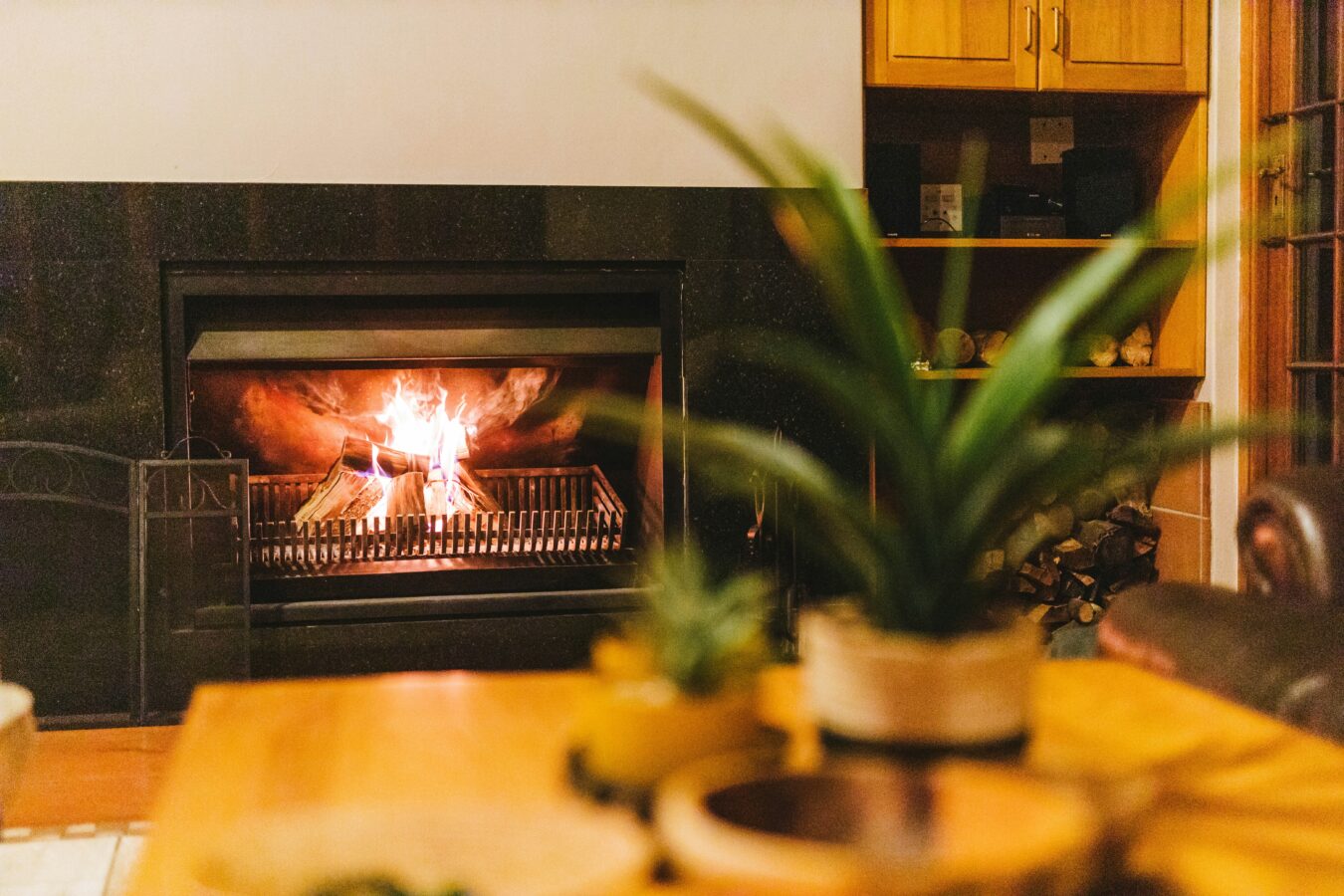
The news isn't exactly warming our spirits on the energy front either. Experts are already warning that natural gas prices are likely to remain a big concern for households heading into the 2025-2026 winter season. They’re telling us to brace for potentially higher heating bills. This isn't just a forecast; it’s a call to action. It’s why simple, cost-effective strategies for keeping your home warm are so crucial right now. Embracing simple living ideas empowers you to cut down on energy use and manage those costs, all without sacrificing an ounce of coziness when the temperatures drop.
The Core Idea: Embracing Simplicity for Warmth
When I talk about simple living in the context of winter warmth, I'm not suggesting a total lifestyle overhaul. It’s about making intentional choices. It means optimizing your energy use, leveraging the natural resources around you, and creating a cozy environment through practical, often low-cost adjustments. Think of it as old-school wisdom meeting modern efficiency.
This isn't about expensive renovations or endless consumption. It's about finding efficiency and comfort in deliberate, often traditional, ways that just make sense. We’re talking about basic principles that our grandparents probably knew by heart. Things like pulling out a heavy blanket instead of turning up the heat, or simply taking the time to notice where cold air is sneaking in.
The beauty of this approach is that it really works. Adopting energy-saving habits, even the small, seemingly insignificant ones, can have a surprisingly big impact on your household utility bills. Some estimates even suggest a potential reduction of 10-30% in energy consumption just by making these kinds of thoughtful adjustments. That’s real money staying in your pocket, not disappearing into thin air.
15 Practical Steps for a Warm Winter Home
Let’s get down to brass tacks. These aren't complicated projects; they're straightforward changes you can implement right away to make a noticeable difference in your home's warmth and your wallet's health.
Seal Drafts Around Windows and Doors: This is one of the quickest wins you can find. Cold air has a knack for finding its way in through tiny cracks and gaps around your windows and doors. Grab some weatherstripping or caulk and go to town. Blocking these sneaky entry points for cold air, and exit points for warm air, can account for a significant chunk of your energy use—sometimes as much as 5% to 30% of energy use. It’s a cheap fix with big returns.
Utilize Thermal Curtains or Blinds: Think of your windows as big holes in your wall where heat can escape. Heavy, insulated curtains or blinds act as an extra layer of insulation. Close them at night, and they'll help trap the heat you’ve paid for inside your home. During the day, open them wide if the sun is out, but more on that in a moment.
Program Your Thermostat: This one is a no-brainer for automated savings. If you’re at work or sleeping, you don’t need your home to be tropical. Set your thermostat to a lower temperature when you're away or asleep. Then, program it to warm up before you wake up or return home. This simple act alone can save you around 10% on heating costs. It’s like having a silent, energy-saving butler.
Maximize Natural Sunlight: Don't underestimate the power of the sun, even in winter. On sunny days, throw open those curtains and blinds on your south-facing windows. Let that natural light stream in and warm your home for free. It’s called passive solar heating, and it’s been working for millennia. Just remember to close them again when the sun sets to keep that warmth in.
Reverse Your Ceiling Fan: Most people think of ceiling fans as a summer tool. But in winter, they can actually help push warm air down. Warm air rises, so if your fan rotates clockwise at a low speed, it will gently push that trapped warm air near the ceiling back down into the living space. It’s a subtle but effective way to redistribute heat.
Place Rugs on Cold Floors: If you have hardwood, tile, or laminate floors, you know how cold they can get. Area rugs or carpets aren’t just decorative; they add a crucial insulating layer. This helps retain warmth and prevents heat from escaping through the floor. Plus, walking on a soft, warm rug just feels better on a chilly morning.
Keep Doors Closed to Unused Rooms: Why heat rooms you’re not using? Close the vents and shut the doors in unoccupied rooms. This concentrates the heat in the areas you actually spend time in. It’s a simple form of "zone heating" that doesn’t require any fancy equipment, just a bit of discipline.
Wear Layers of Clothing: This is perhaps the simplest and most overlooked tip. Instead of automatically cranking up the thermostat, put on a sweater, some thick socks, or even a hat indoors. Dressing warmly with multiple layers reduces your reliance on artificial heating and directly saves energy. It's a return to practical comfort.
Use Your Oven and Stove Strategically: After you’ve finished baking that casserole or a batch of cookies, don’t just immediately shut the oven door. Turn it off, but leave the door slightly ajar for a little while. That residual heat will gently warm your kitchen, adding a nice bit of free warmth to your home.
Ensure Furnace/Boiler Maintenance: This isn’t a daily habit, but it's an annual must-do. Schedule a yearly check-up for your heating system. A well-maintained furnace or boiler runs more efficiently, saves you money on energy bills, and helps prevent those dreaded, costly breakdowns in the dead of winter. It's about proactive care.
Insulate Your Water Heater: Just like your home walls, your water heater can lose heat if it’s not insulated. Adding an insulating blanket to your water heater can significantly reduce standby heat loss. This translates to real savings on your water heating costs, usually between 7% and 16%. It’s a small investment for continuous savings.
Drink Warm Beverages: Sometimes, the best way to feel warmer is to warm yourself from the inside out. Sipping on hot tea, coffee, or cocoa is a simple pleasure that genuinely boosts your internal temperature. It enhances your perception of comfort, often without you needing to touch the thermostat.
Use Space Heaters Efficiently (Zone Heating): Space heaters can be a double-edged sword. They can be energy hogs if misused, but used wisely, they're great for "zone heating." If you’re only going to be in one room for a few hours, use an energy-efficient space heater there instead of heating the entire house to the same temperature. Just be smart about safety and placement.
Add Humidity to the Air: This might sound odd, but moist air holds heat better than dry air. Using a humidifier can make a room feel noticeably warmer, even at a slightly lower temperature setting. It's about making the air around you more comfortable and efficient.
Block Your Fireplace Chimney When Not in Use: If you have a fireplace, it's a giant hole in your house where warm air loves to escape. When you're not enjoying a cozy fire, make sure the damper is tightly closed. For an even better seal, consider using a chimney balloon or a dedicated fireplace plug to stop warm air from vanishing up the flue.
Why Simple Living for Winter Works: Benefits Beyond the Thermostat
These simple living ideas aren't just random tips; they work because they tap into a combination of smart energy efficiency principles and psychological factors. They reduce heat loss from your home, optimize the heat you generate, and crucially, they create a stronger perception of warmth and comfort.
It’s not just about the numbers on your utility bill, though those savings are certainly welcome. An energy-efficient home brings a host of other benefits. You’ll often find improved indoor air quality because you’re minimizing drafts and using your systems more effectively. Your overall comfort levels go up—no more cold spots or shivering. And, you're also doing your part for the planet by reducing your carbon footprint, aligning with broader environmental sustainability goals.
For me, embracing these kinds of simple, intentional actions in my home is a direct parallel to how I've found more focus and clarity in other areas of my life. I remember a time not long ago when I'd spend hours scrolling through feeds, completely disengaged. But I made a deliberate choice to quit gaming and doom-scrolling, to instead channel that discipline into tangible, real-world improvements. It's the same kind of discipline that helps me remember to close the curtains at dusk or check for drafts; it's about being present and making conscious choices that lead to a better outcome.
Conclusion: Sustainable Warmth, Simplified Living
Winter doesn't have to be a season of dread over sky-high heating bills. By adopting these simple, intentional strategies, you're not just saving money; you're taking control of your home's comfort and embracing a more sustainable, deliberate way of living.
These aren't big, expensive projects. They're small, actionable steps that add up to significant changes. They empower you to create a warm, inviting sanctuary for yourself and your loved ones, proving that sometimes, the simplest solutions are the most effective. So, as the days grow shorter and the air gets crisp, take these ideas to heart. Your cozy home and your wallet will thank you.