The holiday kitchen shouldn't be a stress zone. It should be where the joy happens. This year, we’re changing the playbook entirely—going from chaotic scrambling to strategic comfort.
I’ve coached hundreds of people through high-pressure situations, and the holiday season is often the breaking point. We treat hosting like a marathon we haven't trained for. We try to be a short-order cook, a pastry chef, and a waiter all at once.
It’s exhausting, and frankly, it ruins the experience for the host.
But there is a better way. The key to successful, low-stress hosting isn’t mastering 12 complex techniques; it’s applying the simple, high-leverage principles professional chefs use every single day. They don't wing it. They plan, they stage, and they execute with discipline.
In 2025, the culinary experts are seeing a major shift toward a trend toward "strategic comfort" in the kitchen, where hosts prioritize clever shortcuts over unnecessary perfection. This strategy requires treating your kitchen like a battlefield—you need intelligence, organization, and a clear sequence of operations.
Here are the 20 most impactful hacks I’ve collected to simplify your holiday cooking, ensuring you spend less time sweating by the stove and more time enjoying the people you love.
Phase I: The Prep Hacks (Getting Ahead of the Rush)
The single most important principle in hosting is what the pros call mise en place—everything in its place. This is not just a suggestion; it is the backbone of efficiency. Chef Tyler Fenton is right when he says, "Anything where the quality is not compromised should be done ahead of time."
If it can be chopped, measured, or mixed two days ahead, do it. Your goal for the day of the feast is assembly and heat. That’s it.
1. Prep All Your Vegetables Now
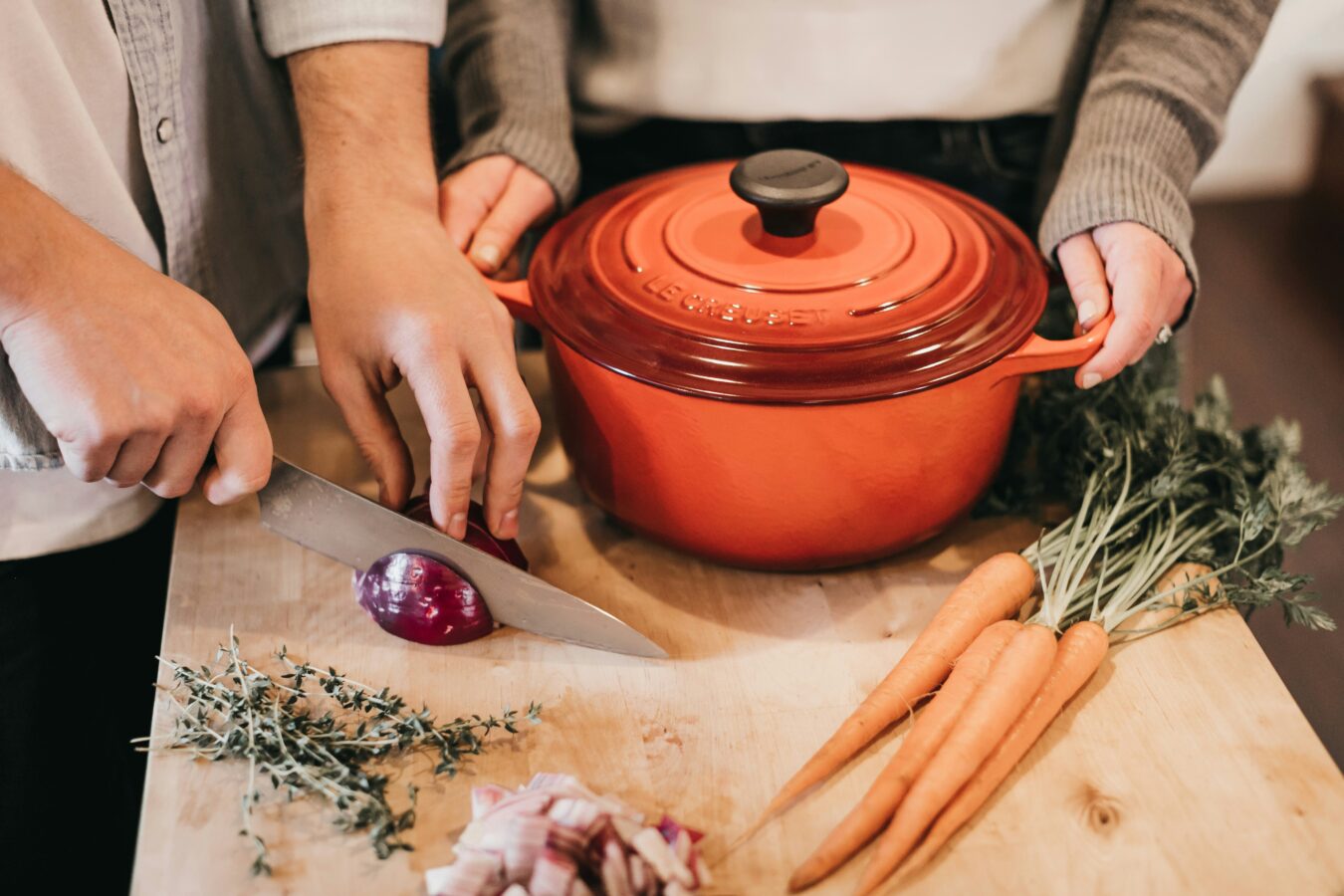
This is your first, best line of defense against chaos. Two days before the event, chop, dice, slice, and mince every single vegetable you need. Store them in clearly labeled Ziploc bags or airtight containers in the fridge. This includes onions, carrots, celery, herbs, and potatoes. Getting this done frees up hours on the main day.
2. Organize with a Muffin Tin
A clean muffin tin is your new best friend for small, pre-measured items. Use the cups to hold precise quantities of spices, chopped nuts, garlic, or a tablespoon of flour for the gravy. This keeps your countertop streamlined and prevents the dreaded "Did I add the thyme yet?" second-guessing.
3. Frozen Herb Cubes
Don't deal with delicate herbs while everything else is screaming for attention. Chop your favorite holiday herbs (rosemary, sage, thyme) and pack them into an ice cube tray. Cover them with olive oil and freeze. When you need them, just pop a cube directly into your roasting pan, sauce, or sauté.
4. Shred Your Frozen Butter
When baking rolls or pie crusts, recipes often call for cold, cubed butter. Instead of fighting with a knife and waiting for it to soften slightly, use a cheese grater to shred the frozen butter instantly. This maximizes the surface area, ensuring it incorporates perfectly into the dry ingredients for a flakier result.
5. Cook Sturdy Dishes Ahead
Not everything needs to be piping hot and fresh out of the oven to be perfect. Cook casseroles, soups, and certain stews up to three days in advance. In fact, most cooked dishes taste better the next day because the flavors have had time to meld and deepen. Just refrigerate and reheat slowly.
6. The Potato Skin Trick
Boiling potatoes and then peeling them is messy and burns your fingers. Before boiling your potatoes, cut a shallow ring completely around the middle of the spud (like an equator line), just deep enough to score the skin. Once they are done cooking, the skin will slide right off easily under cool water.
7. Inventory Before You Shop
This sounds simple, but it’s critical. Before you ever write a grocery list, check your pantry and freezer. What seasonings, oils, stocks, or frozen vegetables do you already own? Incorporating existing inventory saves time and prevents that rushed, second trip to the store because you forgot you ran out of kosher salt.
Phase II: The Main Event Hacks (Turkey & Sides)
The main event is typically where the oven space crunch happens. Every minute counts, and every movement must be intentional. We’re aiming for maximum flavor with minimal effort during the critical two hours before guests arrive.
8. Spatchcock for Speed
If you’re hosting a small to medium crowd, ditch the traditional whole bird. Removing the turkey’s backbone and flattening it—called spatchcocking—drastically reduces the overall cooking time, often to under an hour and a half, and ensures all the meat cooks evenly. No more waiting an extra hour for the legs to finish.
9. The Air-Dry Method for Crispy Skin
For truly crispy, restaurant-quality skin, season your turkey heavily the day before, then place it uncovered on a tray in the refrigerator for 24 hours. The cold air slightly dries the skin's surface, guaranteeing a beautifully browned, crunchy exterior when you roast it.
10. The Bacon Blanket
The turkey breast is the most prone to drying out. One reliable method to guarantee moisture is covering the breast completely with strips of bacon before roasting. The bacon fat renders slowly, continuously basting the white meat underneath while protecting it from the high heat.
11. Butter-Soaked Basting Cloth
If bacon isn't your preference, use a butter-soaked cheesecloth draped over the turkey. Melt half a cup of butter with some stock and herbs, soak the cheesecloth, and lay it over the bird. It acts like a slow-release moisturizer, eliminating the need to continuously open the oven door (which drops the temperature and slows cooking).
12. Use Your Appliances Strategically
The oven is for the turkey. The air fryer, crockpot, and instant pot are for everything else. Maximize oven space by utilizing the air fryer for cooking smaller components like roasted Brussels sprouts, green bean casserole topping, or even reheating rolls.
This practice of discipline isn't limited to the kitchen. The greatest source of stress during the holidays is the expectation of perfection. When things inevitably go wrong—the mashed potatoes stick or the gravy curdles—you need an immediate strategy to regain composure. Over the past few years, I’ve come to rely on the daily discipline of quiet contemplation and prayer, rooted in the Christian Orthodox tradition. Even stepping away from the stove for two minutes of silence and focused breath control can reset your mind and let you see the problem (like lumpy gravy) as a simple technical fix, not a disaster.
13. Rescue Your Dry Bird
Did the thermometer lie? Is your turkey tragically dry? Don't panic. Carve the turkey as usual. Before serving, pour warm chicken stock or a mixture of broth and olive oil directly over the sliced meat and cover it tightly with foil. This will revive the moisture and save the meal.
14. Fix the Salty Mistake
A common side dish mishap is over-salting the soup or gravy. To fix a too-salty liquid, slice up a few raw potato, apple, or eggplant wedges. Drop them into the pot and simmer for 10-20 minutes. These starches act as salt sponges, drawing out the excess sodium. Just remember to discard the pieces before serving!
15. Fluffy Mashed Potatoes Secret
For mashed potatoes that are truly heavenly—light, airy, and fluffy—add a small pinch of baking powder to the mixture right before the final whip. It works wonders.
Phase III: Warming, Storage & Cleanup Hacks (Post-Cook Efficiency)
Once the food is cooked, the second wave of stress hits: keeping everything warm and preventing the kitchen from looking like a natural disaster site. These hacks manage temperature and transition.
16. The Slow Cooker Warm Zone
Your slow cooker is your secret weapon for serving. Set it to its lowest, "Keep Warm" setting and use it to hold mashed potatoes, hot dips, or gravy. This keeps these items perfectly warm and ready to serve for hours without drying them out or requiring valuable stove burners.
17. Keep Gravy Liquid
The worst part of gravy is that it solidifies into sludge the moment you take it off the heat. Keep it pourable by transferring it into a slow cooker insert set to low, or placing the serving container over a bowl of hot water. This keeps it flowing throughout the meal.
18. Strategic Fridge Overflow
During the holidays, the refrigerator becomes a high-stakes game of Tetris. When your main fridge is completely jammed, use a large, high-quality cooler with ice packs to store non-essential items like soda, wine, beer, and condiments. If you live in a cold climate, a sealed cooler in a chilly garage works just as well. Freeing up this space is a huge relief.
19. The Bread Slice Cookie Storage
If you baked your cookies days in advance and want them to taste oven-fresh, store them in an airtight container. Add one slice of fresh white bread into the container (change it every couple of days). The moisture from the bread migrates into the cookies, keeping them soft and chewy for much longer.
20. Creative Leftover Planning
The cleanup is the final stage of the feast, and the biggest time sink is often dealing with mountains of leftovers you don't really want to eat for three days straight. Plan creatively for the next day's meal. Instead of just putting away turkey slices, immediately chop the turkey, stuffing, and cranberry sauce and bind them into savory croquettes or fritter patties. They freeze beautifully and drastically reduce food waste.
More Joy, Less Kitchen Chaos
The point of all these hacks isn't just to save time. The real goal is to save energy and sanity.
When you are organized, when you have staged the battle, and when you trust your prep work, you are released from the crippling stress that defines holiday cooking for so many people.
You stop being a frantic host and start being present.
The kitchen, then, becomes a place of joy and connection, not just a production line. Adopt the principles of strategic comfort, apply these 20 high-leverage steps, and give yourself the gift of an easier, more focused holiday season. You’ve earned it.