

The New Year spark fades fast for many, with "Quitter's Day" often marking the end of good intentions. If you're tired of that cycle, it's time to build systems, not just rely on fleeting motivation.
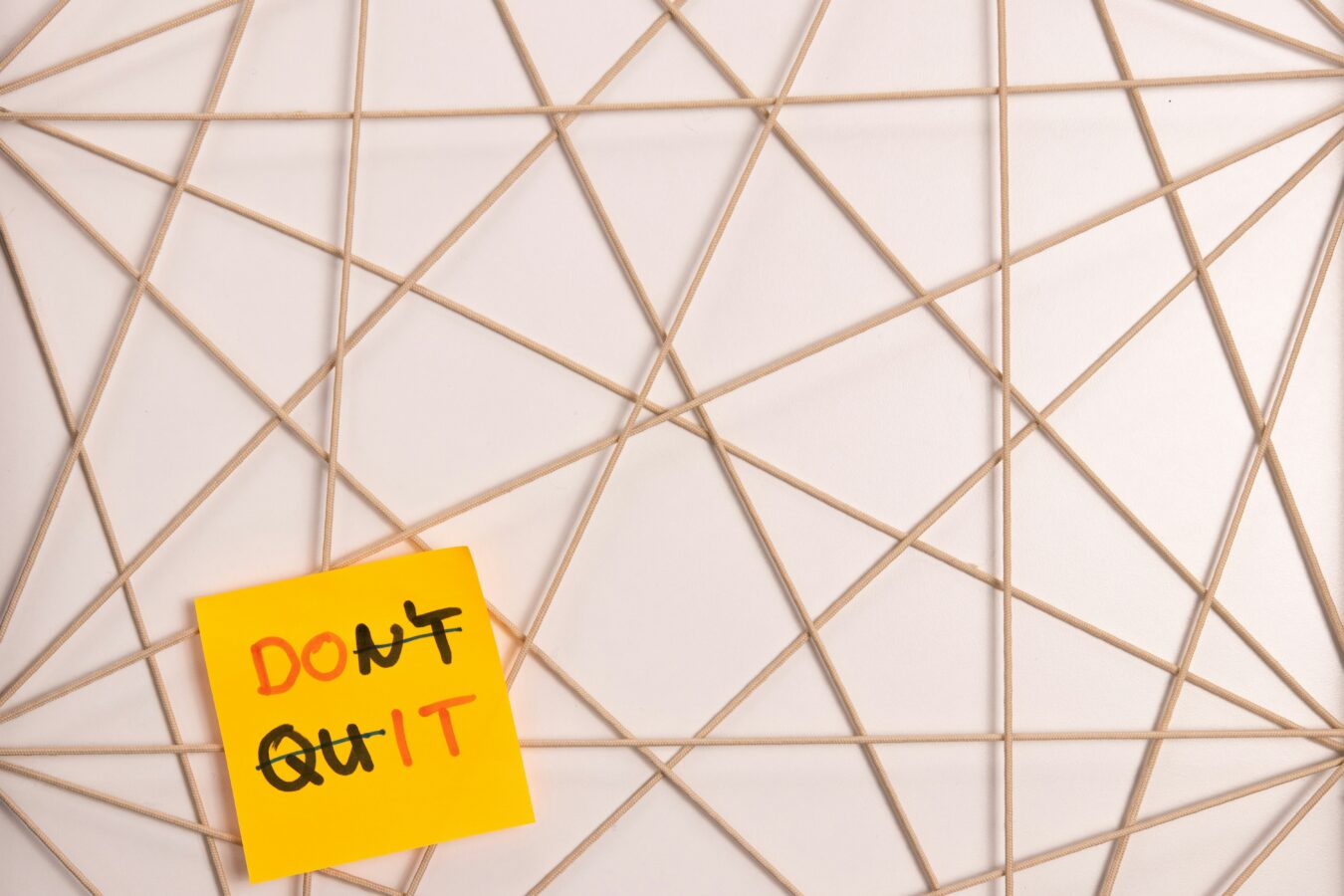
Every year, millions of us dive into January with grand plans, only to find our resolve crumbling by mid-month. The average New Year’s resolution lasts just under four months, and nearly 80% are abandoned by February. The second Friday of January is even nationally recognized as “Quitter’s Day,” which is when most people abandon their goals. This isn't because you lack discipline; it's because most people rely on temporary motivation instead of building solid systems and employing proven strategies.
I've been there. I know the feeling of starting strong, only to find yourself back where you began weeks later. It's frustrating, and it makes you question your capabilities. But what if I told you that the secret to sustained progress isn't more willpower, but smarter work?
It’s about understanding how your brain works, managing your energy, and creating an environment where success is almost inevitable. I’m not talking about magic here, but practical steps. Let's make this year different. Let's build momentum that lasts.
Phase I: Hacking Your Mindset and Goals
This first set of hacks is all about setting the stage. It's about shifting how you think about your goals and how you approach your daily tasks. Get these right, and the rest becomes so much easier.
Build Systems, Not Willpower.
The biggest difference between those who succeed and those who don't is simple: successful people build systems. They create processes that work even when their motivation is at rock bottom. Your systems are your safety net. They're the rails that keep you on track without needing constant mental effort.The One-Page System.
Are your goals spread across notebooks, apps, and sticky notes? That’s a recipe for overwhelm. Combat that cognitive overload by boiling everything down. I’ve found that a single-page document for all my yearly goals and weekly plans cuts through the noise. It brings clarity and keeps the main thing the main thing.Limit High-Priority Resolutions to Three.
We’re often told to dream big, and that's good, but when it comes to active priorities, less is truly more. Focus on no more than three high-priority resolutions at any given time. This allows for deep focus, enabling you to build concrete micro-habits rather than spreading yourself too thin.Priority Inversion Hack.
Ever put off that one scary task all day, only for it to hang over you like a dark cloud? The priority inversion hack says: tackle the task you dread most within the first 10 minutes of your day. This isn't just about getting it done; it's about reducing emotional overhead and freeing up your mental clarity for everything else.Reverse Eisenhower Matrix.
The classic Eisenhower Matrix helps you prioritize. This hack flips it: ruthlessly eliminate any task that falls into the "Neither Urgent nor Important" quadrant before you even start working. It's a powerful pruning tool for your to-do list, freeing up precious time and energy for what truly matters.
Phase II: Time & Focus Frameworks
Now that your mindset is dialed in, it's time to get surgical with your time and attention. These hacks are designed to help you concentrate, protect your valuable working hours, and get more done in less time.
Master Time Blocking.
Think of your calendar not as a passive schedule, but as a production line. Dedicate specific, non-negotiable blocks of time for specific tasks. Treat these blocks like sacred appointments. Decline requests that interfere with them. This isn't just about scheduling; it's about protecting your focused work.Adopt The Pomodoro Technique.
Our brains aren't built for endless hours of focus. The Pomodoro Technique trains your focus muscle by committing to 25 minutes of high-intensity work, followed by a structured 5-minute break. This makes even massive tasks feel manageable and keeps burnout at bay.Leverage the 80/20 Rule for Deep Work.
Not all tasks are created equal. Identify the 20% of your activities that produce 80% of your results. Then, dedicate your highest-energy morning block exclusively to these high-leverage items. This ensures you're always making progress on what truly moves the needle.The "3-Hour Work Block" Trend.
Forget the idea of an 8-hour workday of sustained focus. It’s a myth. Many high-performers are adopting schedules of short, intense work blocks, sometimes called "Deep Work" or "Golden Hours." These align with natural concentration cycles, allowing for intense focus when you have it.Batch Similar Tasks (e.g., The "No Meeting Tuesday").
Context switching is a killer for productivity. Group similar "distracted" or "mindless" tasks like administrative emails, social interactions, or even meetings onto one specific day. This minimizes the mental overhead of jumping between different types of work and preserves your "Deep Work" days.
Phase III: Leverage & Automation for the New Year
In our fast-paced world, working harder isn't enough. You need to work smarter, leveraging tools and optimizing your environment to amplify your efforts.
AI for Email & Summaries.
The biggest productivity hack for many right now is smart AI integration. Use AI agents to manage emails, summarize long documents or meetings, and prioritize tasks. This allows you to focus your precious human brainpower on critical thinking and creative work, rather than endless clicking and sorting.System Improvements Session.
It sounds counterintuitive to take time away from "doing" to "improving," but it’s crucial. Block out a weekly 30-to-90-minute session to refine your workflows, processes, and tools. This small, consistent investment can save you tens to hundreds of hours over the course of the year.Centralize Communication.
Fragmented information is a major productivity killer. If you’re hunting for decisions, files, or updates across different platforms, you're losing time. Ensure all project-related communication (tasks, progress tracking, decisions) is logged and transparent within a unified platform. Make it easy to find what you need.Enforce "Outcomes-Only" Meetings.
Meetings can easily swallow your workday. Fight "meeting creep" by requiring a shared agenda beforehand and enforcing a strict rule: stick to outcomes and action items. Lengthy, unstructured discussions drain energy and rarely lead to concrete progress. Get in, get out, get to work.Journaling for Clarity.
Your mind can become a crowded place, full of worries, ideas, and anxieties. Instituting a daily journaling practice to "empty your mind" can dramatically increase self-awareness and improve mental clarity. It's like decluttering your mental workspace, leaving more room for focused work. I’ve found that even a few minutes of quiet contemplation, writing down whatever comes to mind, helps me sort through the chaos and find a sense of stillness before I tackle the day.
Phase IV: Energy & Sustainable Habits
You can have the best systems in the world, but if your energy is consistently low, you'll still struggle. These hacks focus on building sustainable habits that fuel you, rather than drain you.
Work With Your Energy Cycles.
Are you a morning person or a night owl? Do you hit a slump mid-afternoon? Complete a time and energy audit to identify when you are most productive. Then, schedule your most demanding, high-brainpower tasks during those peak periods. Don't fight your natural rhythm; work with it.Intentional Rest is an Input.
We often see rest as a reward, something we earn after working hard. Shift your perspective. Deep rest and recovery are critical inputs, necessary for sustained high performance. Without it, you're simply running on fumes, and your output will suffer. Prioritize sleep, breaks, and true downtime.The Power Nap Boost.
Feeling that afternoon slump? A short power nap, ideally between 10 and 20 minutes, can be a game-changer. Research has shown that even a brief nap can boost productivity by 34% and alertness by 50%. Find a quiet spot, set a timer, and recharge.Establish a Shutdown Ritual.
Create a firm boundary for your workday. Instituting a specific, 10-minute ritual to end your day helps you transition out of "work mode." This might include tidying your physical and digital desk, reviewing the next day’s top three priorities, and closing all work-related tabs. It tells your brain the workday is done.Keep an Accomplishments List.
We're wired to focus on what's left to do. Alongside your to-do list, maintain a running tally of completed goals, big and small. Witnessing your victories visually triggers dopamine, the key chemical for motivation and progress. It reminds you that you are, in fact, getting things done.
Sustaining the Spark
Look, I get it. Twenty hacks can feel like a lot. But remember, this isn't about doing everything at once. It's about picking one or two that resonate and implementing them consistently. Then, when they become second nature, pick another.
The goal isn't perfection. It's progress. It’s about building a robust foundation that supports your ambitions, even when life gets messy. This year, let's move beyond fleeting motivation and build something lasting. Let's make momentum a habit, not just a New Year's wish.

See also in Productivity
12 Steps to a Productive Workday
The ‘Reverse To-Do List’ That Actually Boosts Your Motivation
Productivity Hack CEOs Use During Holiday Season
The Yerkes-Dodson Law Shows Exactly How Much Stress You Need to Perform
15 Morning Productivity Rituals
10 Strategies for a Productive Summer