

Thanksgiving isn’t a cooking marathon; it’s a project management challenge. You need a blueprint. I’m giving you the 20 most critical productivity secrets that break the holiday down into phases, so you can spend Thursday eating and not stressing.
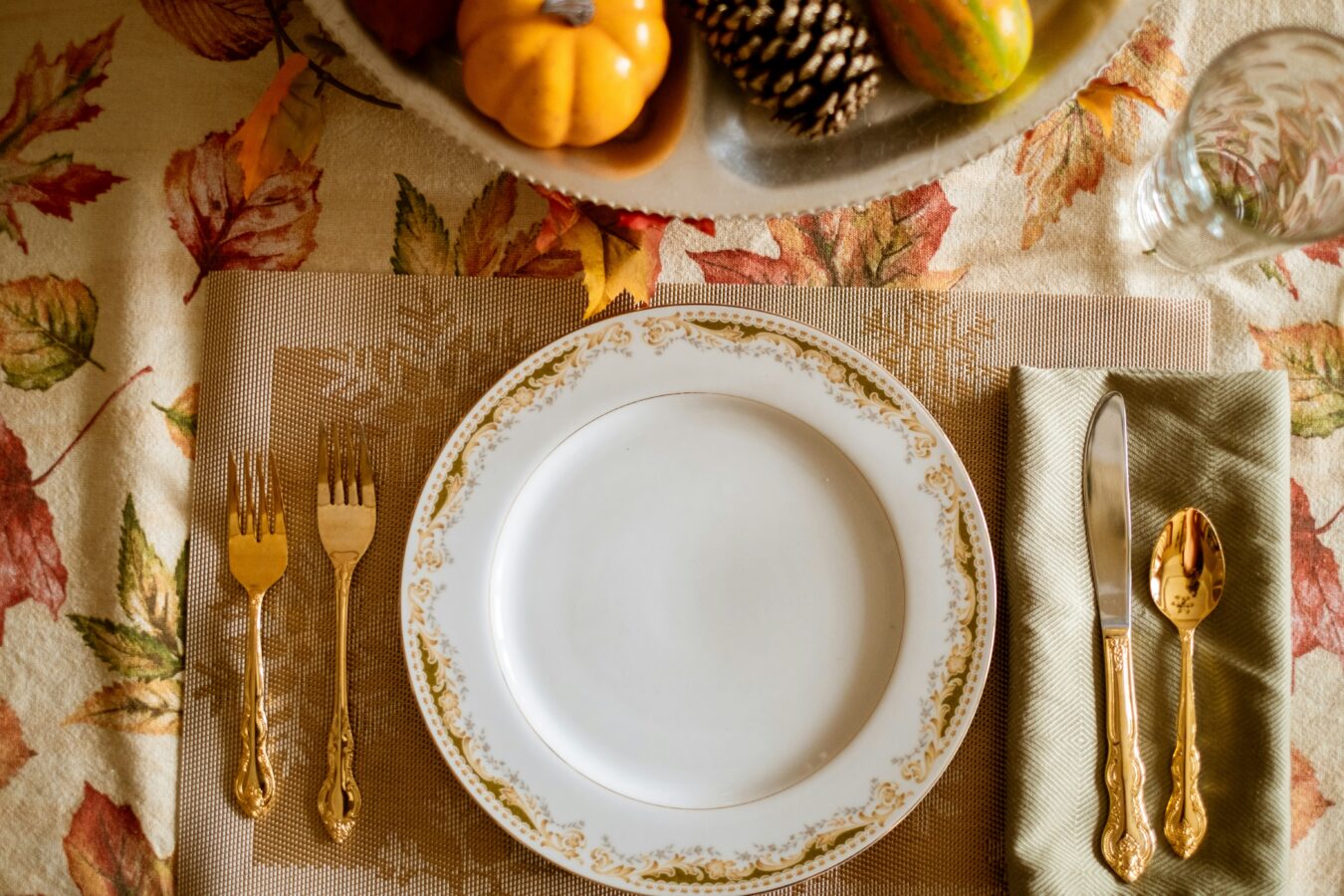
The table stakes for Thanksgiving dinner just keep climbing. The 2025 Butterball Togetherness Report projects that nearly nine out of ten Americans plan to celebrate, with the average gathering hovering around nine people. Nine people is a crowd, and nine mouths means you’re handling a serious volume of food and logistics.
The complexity is compounded by economics. More hosts are now asking guests to contribute, which means you aren’t just coordinating your cooking—you are coordinating the inflow of dishes from other kitchens. A successful Thanksgiving isn't about magical culinary skills; it’s about strategic time management and radical efficiency. It’s about being a project manager first and a chef second.
Here are the 20 secrets I use to ensure I sit down at the table rested and ready to enjoy the meal I just spent weeks executing.
Phase I: The 5 Secrets of Menu and Timeline Strategy (The 4-Week Plan)
The key to a productive Thanksgiving is front-loading your mental work. You need to handle all the complex decisions now, allowing you to execute tasks without thinking on the day of the feast. This shifts Thanksgiving from a stressful sprint into a disciplined, manageable sequence of events.
Set an "Eat Time" and Work Backward.
This is the only non-negotiable step. If you decide dinner is at 4:00 PM, you must work backward from there, accounting for the 30-minute resting period of the turkey, the 10 minutes required to carve it, and the baking time of every side dish. Your timeline must be written down. If you don't anchor your plan to an actual clock time, the entire day will flow into chaos.Edit the Menu Mercilessly.
You do not get extra credit for exhaustion. Look at your menu right now and ask: Do I need two different types of rolls? Does anyone truly need that seven-layer dip before the main meal? Avoid the trap of cooking every single dish from scratch. If a specific side dish is known to be mediocre or redundant, cut it. Your commitment should be to quality and presence, not historical volume.Create a Dual Shopping List.
Grocery shopping for Thanksgiving is exhausting because you try to do too much at once. Divide your master list into two entirely separate trips. Trip one—the non-perishables—happens one to two weeks out. This covers spices, flour, broth, canned goods, wine, and cleaning supplies. Trip two—the perishables—happens within three days of the meal and focuses only on fresh produce, dairy, and the last-minute items. This saves time and reduces stress immensely.Inventory and Label Serving Dishes.
Four days out, pull every serving platter, bowl, and utensil you plan to use. This prevents the frantic day-of search for the right-sized bowl. Label them clearly with a Post-it note indicating the exact dish they will hold—"mashed potatoes," "green beans," "gravy." When the food comes out hot, you can simply transfer it to the labeled dish without a second thought.Adopt a Project Management Mindset (The Gantt Chart).
Treat Thanksgiving like a professional project. Use a simple spreadsheet to map out every task, from thawing the turkey to taking the pies out of the freezer, and assign each task a specific day and time slot. When everything is mapped out visually, you eliminate the mental load of remembering "what comes next." You just follow the schedule you created when you were calm.
Phase II: The 8 Secrets of Pre-Cooking & Prep-Ahead Efficiency (The Freezer & Fridge Hacks)
Your freezer and refrigerator are not just for storage; they are time machines. They are your most powerful allies for shifting the labor from Thursday to the previous weekend, allowing you to control the environment when the stakes are low.
Make Gravy Weeks Ahead of Time.
Do not wait for turkey drippings on Thanksgiving Day. That puts undue pressure on the last 30 minutes of cooking. Instead, roast turkey parts or chicken wings the week prior, make a rich stock, and create your finished gravy. This can be frozen for up to a month and simply reheated on the stove. It is richer, more flavorful, and one massive task is completely off your Thursday plate.Freezer-Prep the Mirepoix.
The tedious, volume-heavy chore in Thanksgiving prep is dicing onions, carrots, and celery. Do this chore once, in a large batch, and freeze the mixture in an airtight bag. This classic mirepoix base for stuffing, stock, or casseroles can be poured straight from the freezer into your sauté pan without any need for thawing.Prep and Freeze Your Pies (Crust and All).
Double-crust pies, such as apple or pecan, freeze beautifully. Assemble them fully in a metal pie tin, wrap well in plastic and foil, and freeze. When Thanksgiving Day arrives, you can bake them directly from the freezer, adding about 20–45 minutes to the typical baking time. This is a game-changer for eliminating oven bottlenecks.Build Your Casseroles Early.
Most casseroles—green bean, sweet potato, or even some stuffings—can be completely assembled one to two days in advance. Store them, unbaked, in the fridge. On the day of, allow them to come to room temperature while the turkey rests before they go into the newly freed-up oven.Pre-Chop All Veggies.
Spend Wednesday doing all the knife work. Chop all non-browning vegetables (onions, celery, hard herbs, potatoes, Brussels sprouts) and store them in airtight containers in the refrigerator. The goal is to wake up Thursday morning and only have assembly and cooking ahead of you, not peeling and chopping.Blanch and Shock Hardy Greens.
For side dishes like green beans or Brussels sprouts that need to retain color and crunch, blanch them in salted boiling water and immediately transfer them to an ice bath a day or two before. This locks in the vibrant green color. They only require a quick sauté or reheat on the day, saving 15 minutes of crucial burner time.Defrost the Turkey Realistically.
Stress starts when the turkey is still icy when it needs to be roasting. For a safe and stress-free thaw, you need to be highly disciplined about the timing. Plan on 24 hours of refrigerator time for every four pounds of frozen turkey. This means if you have a 20-pound bird, you need five full, uninterrupted days of thawing time. Start early.Clean Out the Fridge and Pantry.
This isn't a cooking tip; it’s a logistics tip. One week ahead, clear out old, half-eaten containers and inventory your pantry staples. You are essentially making room for the sheer volume of ingredients, prepped containers, and cooling pies that will occupy your fridge in the final 48 hours. Space is currency on Thanksgiving.
Phase III: The 7 Secrets of Day-Of Execution (The Hour-by-Hour Playbook)
On Thursday, your energy needs to be focused on temperature control and flow. These hacks ensure your food is hot and ready when the turkey comes out of the oven, minimizing kitchen traffic and frantic searching.
Leverage the Slow Cooker.
The slow cooker is essential because it is a completely passive heating vessel. Use it to keep side dishes like mashed potatoes, cooked gravy, or even warm butter and bread pudding warm for hours without taking up a single inch of precious stove burner space. It’s a kitchen overflow valve.Don't Truss the Turkey.
Trussing the bird—tying the legs together—looks nice in a magazine, but it actually slows down the cooking process. By not tying the legs, you allow heat to circulate more effectively in the cavity, which helps the inner thigh area cook faster and speeds up the entire turkey-roasting time. Time saved is stress reduced.Maximize Underutilized Appliances (The Air Fryer).
If you have a large air fryer or air fryer oven, use it. These devices act as smaller, faster convection ovens. Use the air fryer to crisp up pre-blanched Brussels sprouts, reheat rolls, or even roast a small turkey breast, completely freeing up the main oven for the heavy-lifting casseroles.Use a "Prep Station" for Cleanup.
Before you start any major cooking phase, place a single, large bowl on the counter designated only for trash—scraps, onion skins, eggshells, and wrappers. This small visual cue can cut down on constant trips to the main trash can, keep your workspace clean, and create order where clutter usually reigns.Check Progress Hourly.
In the final hours, chaos management is everything. Incorporate a fixed, hourly check-in on your cooking timeline. At the top of every hour, stop whatever you are doing, quickly review your schedule, and see what needs to be started, checked, or moved to a warmer. Sticking to a rigorous schedule is a high form of discipline. I learned this when I was building my marketing business; the ability to put my head down for a 90-minute deep-work burst and then stop, check my actual goals, and re-prioritize is what kept me from getting lost in endless projects. Apply that same rigor to your cooking.Delegate the Final Plate Assembly.
The 2025 data shows guests are contributing more than ever. Go beyond the potluck dish and delegate small, specific tasks to willing guests. Have one guest be responsible for removing the rolls from the bag and placing them in the warming basket. Have another plate the pre-chopped crudités or pour water for the table. Specific delegation minimizes your final rush.Rest the Turkey, Work the Oven.
The most crucial 30 minutes of your Thanksgiving schedule is when the turkey is done. Tent the bird with foil and let it rest for at least 25–30 minutes. This is non-negotiable for juicy meat. This resting period is also your prime oven-reheating time—use this window to bake or finish off all those casseroles and stuffing dishes you prepped days before, ensuring everything hits the table hot at the same moment.
Focus on Family, Not the Frenzy
These 20 secrets are simply tools to create space and silence on a day designed for noise. The point of all this strategic planning and scheduling is not perfection; it's presence.
When you’ve disciplined your schedule and systems weeks in advance, you minimize the moments of frantic, high-stakes chaos. That minimized chaos is what allows you to truly connect with the people who traveled to your table.
The ability to step back, take a quiet contemplation, and breathe—even for two minutes during the heat of the cooking—is the highest form of productivity. You didn't do all this work just to be a stressed-out blur. You did it to sit down, look at the table you built, and enjoy the fruits of your labor without the weight of the last four weeks of planning crushing your spirit.
Do the work now so you can be still later. That’s the entire project.

See also in Productivity
12 Ways to Boost Collaboration
15 Strategies for Task Handling
The 10-10-10 Rule for Making Decisions You Won’t Regret
20 Ways to Find More Free Time
12 Ways to Enhance Feedback Skills
10 Strategies for a Productive Summer