

Thanksgiving is more than turkey and travel; it's a forced stop sign in a chaotic year. This year, we need the deliberate practice of gratitude—a critical, year-round mental strategy—more than ever.
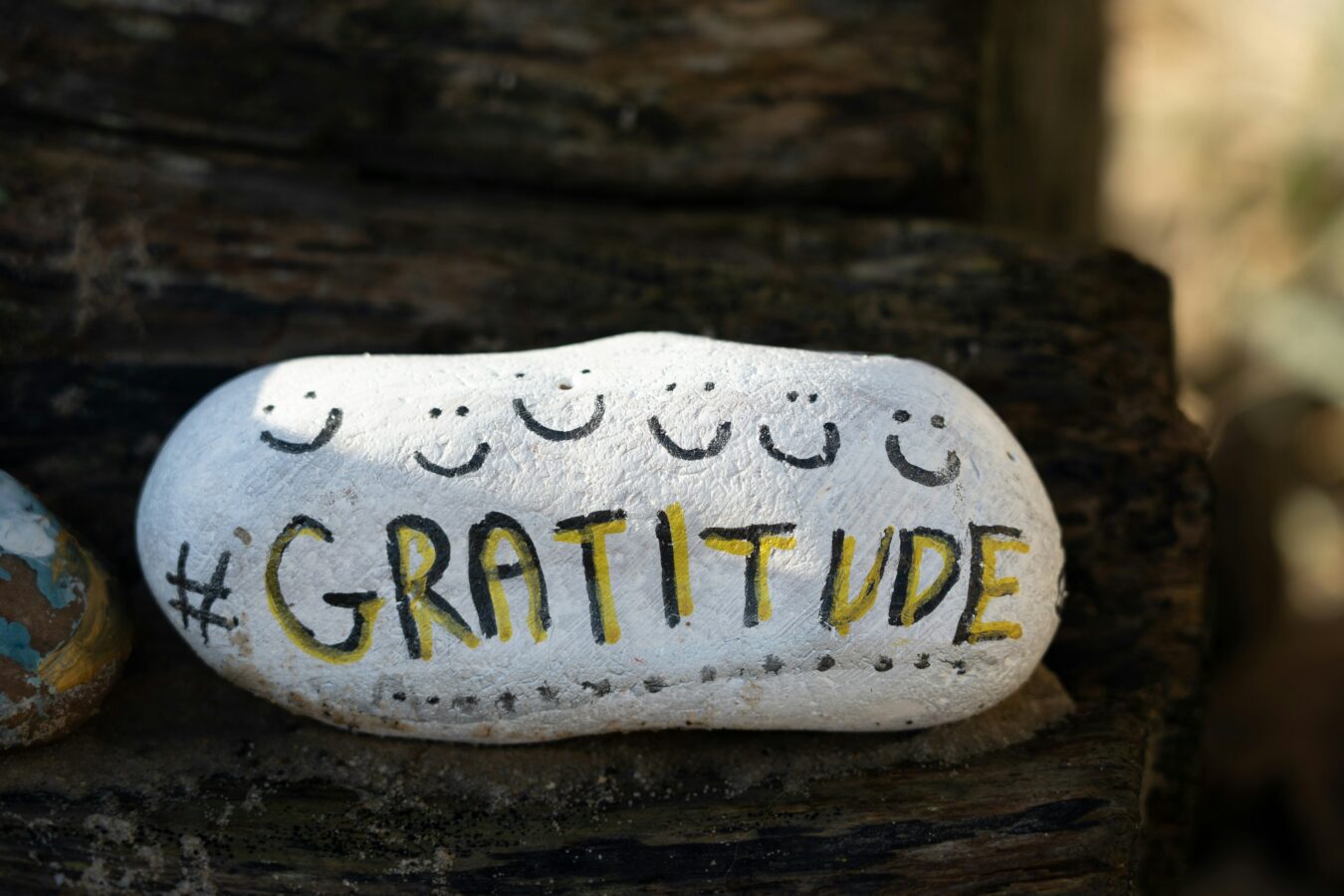
The calendar says Thanksgiving 2025 is scheduled for Thursday, November 27th. But the clock on our collective anxiety never stops. In a time defined by persistent global challenges and personal uncertainty, the old, comfortable definition of gratitude—a fleeting feeling before the mashed potatoes—simply isn't enough.
Thought leaders in 2025 have widely promoted the conscious act of giving thanks not just as a holiday tradition, but as a critical tool for emotional resilience, branding it a "powerful anchor" in uncertain times. This isn't fluffy, feel-good advice. It’s a survival mechanism.
The truest reflection, therefore, is not a momentary pause before the feast. It is a commitment to an enduring, life-altering practice of disciplined observation. To help reframe your focus, I’ve pulled together 20 timeless quotes that can inspire a deeper Thanksgiving reflection that lasts all year.
The Core Idea: Gratitude as an Anchor in Chaos
When I talk about gratitude, I’m talking about a shift from a one-day event to a daily habit.
You can’t control the global markets, the news cycle, or the health of everyone around you, but you can control where you place your attention. That’s the real power here.
Your brain has a built-in negativity bias, meaning we are neurologically wired to notice the threats and the disappointments first. Gratitude is the counter-programming that forces a different perspective. It demands that you intentionally look for the good.
It makes a tangible difference in your daily grind. Psychological research has shown that practicing gratitude can lead to positive mental health outcomes, including decreased stress and a potential decrease in burnout, which is particularly relevant for the modern workforce. That’s why we do this: to build armor against the daily pressure.
Here is the real work—the mental fuel—to help you build that anchor.
Section I: Quotes on The Act of Giving Thanks
This section is about turning thankfulness from a passive feeling into an active decision. Gratitude, when practiced deliberately, is a high-leverage skill. It’s an act of recognizing sufficiency when the world constantly tells you that you lack something.
- "Gratitude unlocks the fullness of life. It turns what we have into enough, and more." — Melody Beattie
- "If the only prayer you ever say in your entire life is thank you, it will be enough." — Meister Eckhart
- "Feeling gratitude and not expressing it is like wrapping a present and not giving it." — William Arthur Ward
- "A thankful heart is not only the greatest virtue, but the parent of all the other virtues." — Cicero
- "When we focus on our gratitude, the tide of disappointment goes out, and the tide of love rushes in." — Kristin Armstrong
- "He who thanks but with the lips thanks but in part; the full, the true Thanksgiving comes from the heart." — J.A. Shedd
- "We should certainly count our blessings, but we should also make our blessings count." — Neal A. Maxwell
- "Gratitude is not only the greatest of virtues, but the parent of all others." — Marcus Tullius Cicero
Section II: Quotes on Family, Home, and Togetherness
Family gatherings are complicated. They can be messy, draining, and emotionally challenging. But they are also the laboratory where real love is tested and forged. These quotes remind us that the people we have—the ones who truly show up—are the primary sources of abundance in our lives.
For me, acknowledging the complexity of family life has always been tied to the need for internal order. Whenever I feel overwhelmed by obligation or external demands, I return to a simple truth: the world doesn't need me to fix everything, it needs me to be present. I’ve found that my Orthodox faith, specifically the structured practice of daily morning prayer, offers a perfect framework for achieving that stillness and order before the chaos of the day begins. It's an enforced silence that clears the decks for genuine connection.
- "What can you do to promote world peace? Go home and love your family." — Mother Teresa
- "Forever on Thanksgiving Day the heart will find the pathway home." — Wilbur D. Nesbit
- "Thanksgiving Day is a good day to recommit our energies to giving thanks and just giving." — Amy Grant
- "The love of a family is life’s greatest blessing." — Unknown
- "Reflect upon your present blessings—of which every man has many—not on your past misfortunes, of which all men have some." — Charles Dickens
- "I awoke this morning with devout thanksgiving for my friends, the old and the new." — Ralph Waldo Emerson
- "Be present in all things and thankful for all things." — Maya Angelou
Section III: Quotes on Inner Peace and Abundance
Abundance isn't a massive pile of cash. It is the deep, quiet knowledge that what you have right now is sufficient to build the life you want. These quotes address the internal restructuring required to shift your view from scarcity to sufficiency.
This is where discipline comes in. Achieving inner peace is not something that happens to you; it is something you work for. It is the result of choosing quiet contemplation over distraction, and choosing thankfulness over resentment.
- "Be thankful for what you have; you'll end up having more. If you concentrate on what you don't have, you will never, ever have enough." — Oprah Winfrey
- "Gratitude is the memory of the heart." — Jean Baptiste Massieu
- "Acknowledging the good that you already have in your life is the foundation for all abundance." — Eckhart Tolle
- "Some people are always grumbling because roses have thorns; I am thankful that thorns have roses." — Alphonse Karr
- "Gratitude can transform common days into thanksgivings, turn routine jobs into joy, and change ordinary opportunities into blessings." — William Arthur Ward
Why It Works: The Discipline of Thanks
The benefits of practicing gratitude are not spiritual magic tricks; they are neurological and psychological results of focused discipline.
When you intentionally practice thankfulness, you are training your brain away from its default setting—that negativity bias we talked about. You are literally building new neural pathways. This is why quick, shallow acts of appreciation don't stick, but long-term, daily habits do.
The Physiology of Stillness
Gratitude requires stillness. You cannot sincerely give thanks if you are rushing, distracted, or scrolling. You have to stop, breathe, and consciously name the good.
If you are struggling to find that stopping point, physical acts can help. Simple, disciplined breath control can move your nervous system from "fight or flight" mode to a state where reflection is possible. Taking five deep, slow breaths before starting your gratitude list is an excellent physiological cue.
This focused practice leads to enhanced cognitive flexibility. When you’ve trained your brain to look for the good, you approach challenges more creatively because you aren't immediately spiraling into fear or lack. The feeling of being 'blessed' is simply the payoff for mental effort.
It’s a powerful mental health strategy. Research consistently points to the health benefits of cultivating gratitude, including lower blood pressure and improved sleep quality. It’s hard to stay angry, fearful, or resentful when you are genuinely focused on something you appreciate.
Making Reflection a Daily Habit
This Thanksgiving, let the feast be a solid reminder of the blessings at hand, and let the conversations be filled with sincere appreciation. But the job isn't done when the last pie crust is cleared.
The goal is to weaponize these quotes.
Don't just read them once. Pick two or three quotes that resonate most deeply with your current struggle, and turn them into tangible tools:
- The Index Card Method: Write a quote on an index card and keep it in your wallet or tape it to your computer monitor. Let it serve as your immediate cognitive disruption when stress hits.
- The Silence Protocol: Before checking your phone in the morning, spend 90 seconds in silence. Repeat your chosen quote to yourself while practicing slow, deliberate breath control. This sets the framework for the day.
- The Reverse Complaint: Every time you hear yourself complain—out loud or internally—immediately follow it up with a specific, articulated gratitude statement. "I hate this traffic" must be instantly followed by, "I am thankful I have a reliable car that keeps me safe."
To truly embody the spirit of the holiday, the reflection must become a daily discipline. By leveraging the principles of thankfulness, you can build a more resilient, focused, and abundant life, long after the leftovers are gone.

See also in Quotes
20 Quotes About Understanding and Empathy
30 Quotes on the Strength of Community
25 Quotes About Physical Strength
30 Quotes on the Value of Patience
30 Inspirational Quotes for Success
30 Quotes on Building Strong Foundations