

If you have ever felt a sudden crash in your mood an hour after eating a sugary snack, or felt a strange sense of calm after a hearty, healthy meal, you have experienced the direct link between your stomach and your brain. We often talk about mental health as if it exists solely in the abstract—thoughts, feelings, and intangible stressors. But the reality is that your brain is a physical organ. It is a machine that requires specific fuel to function. If you put sludge in a high-performance engine, it knocks, stalls, and eventually breaks down. Your brain is no different.
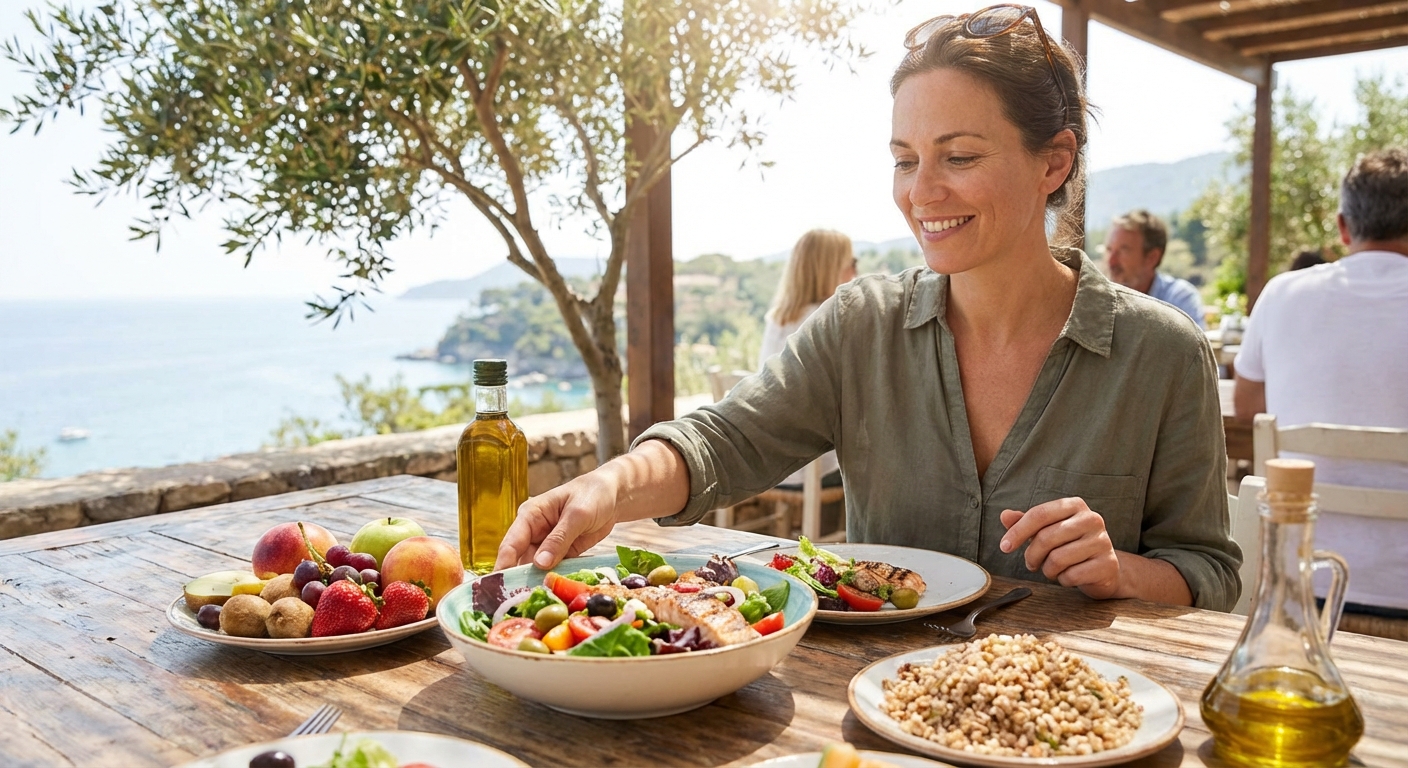
For years, we have treated anxiety and depression strictly as issues of chemistry or circumstance, often ignoring the foundational biological inputs. But the tide is turning. We are now seeing irrefutable proof that what you put on your fork dictates not just how your pants fit, but how you handle stress, how you process emotion, and whether you wake up facing the day with resilience or dread.
The Evidence Base
We are living through a mental health crisis, and while the causes are complex, our modern diet is a massive, often overlooked culprit. We have moved away from real food and toward hyper-palatable, ultra-processed substances that our biology simply doesn’t know how to handle. The consequences are now being measured in clinical settings, and the results are startling.
Just this month, in March 2026, a landmark study published in BMC Medicine brought this into sharp focus. Researchers looked at adolescents—a group whose brains are undergoing massive "rewiring"—and found a stark divergence. The teens who consumed a diet high in ultra-processed foods reported significantly higher symptoms of anxiety and depression. Conversely, those adhering to a Mediterranean-style diet showed significantly better emotional recognition and executive function.
Think about that for a second. We aren't just talking about weight gain or acne. We are talking about the fundamental ability of a developing brain to recognize emotions and regulate itself. This is the difference between a teenager who can navigate a stressful social situation and one who spirals into a panic attack.
This isn't an isolated finding. In 2025, a massive systematic review analyzed over 100 studies and found the same pattern across every age group and geographical line. The conclusion was undeniable: long-term adherence to a Mediterranean diet is consistently associated with a lower risk of clinical depression and reduced severity of anxiety symptoms.
University students are another canary in the coal mine. A 2026 study found that students with low adherence to this way of eating were over two times more likely to report symptoms of depression and anxiety compared to their peers who ate well. That is a massive statistical jump. It suggests that for many people, the "fog" they are fighting isn't just academic pressure or social stress—it’s nutritional bankruptcy.
The Biological "Why"
To understand why a salad might help you handle a deadline better than a donut, you have to look under the hood of your biology. This emerging field is called Nutritional Psychiatry, and it operates on a few core mechanisms.
First, you have to understand inflammation. When you get a cut, your finger gets red and swollen. That is acute inflammation, and it helps you heal. But when you eat processed sugar, seed oils, and chemicals, you trigger chronic, low-grade inflammation throughout your body. When this inflammation reaches the brain, it disrupts the production of neurotransmitters. It’s essentially "brain on fire." The antioxidants and polyphenols found in Mediterranean staples—like extra virgin olive oil and berries—act as a cooling agent, putting out that fire and allowing your brain to function without that constant background noise of biological stress.
Then there is the gut-brain axis. Your gut and your brain are constantly texting each other via the vagus nerve. If your gut is unhappy, your brain gets the message loud and clear.
I know this from personal experience. Years ago, before I got my life together, I was carrying around an extra 110 pounds. I was binge eating constantly, fueling my body with garbage. I thought my anxiety and the dark cloud over my head were just "who I was." But when I finally committed to losing the weight and cleaned up my diet, the mental shift was more profound than the physical one. As the inflammation dropped and my gut healed, the noise in my head quieted down. It wasn't magic; it was just biology doing what it's supposed to do when you stop poisoning it.
Your gut bacteria produce a huge percentage of your body's serotonin—the chemical that helps regulate mood. But those bacteria need fiber to survive. They feed on prebiotics found in beans, lentils, and vegetables. When they digest this fiber, they produce short-chain fatty acids that travel to the brain and actually help repair brain cells. If you don't eat fiber, you starve the good bacteria, and the serotonin production line shuts down.
Finally, there is the simple issue of building blocks. Your brain needs zinc, magnesium, and B vitamins to synthesize dopamine and serotonin. You cannot build a house without bricks, and you cannot build a stable mood without nutrients. The Mediterranean diet is nutrient-dense, providing the raw materials your brain needs to manufacture stability.
Actionable Steps for Mental Resilience
Knowing the science is great, but it doesn't change anything unless you put it on a plate. The beauty of the Mediterranean diet is that it isn't a "diet" in the restrictive sense. It’s a lifestyle of abundance. You don't need to count calories or weigh your food to get the mental health benefits. You just need to shift your sources of fuel.
Here is how you can start implementing this today to build a more resilient brain.
Upgrade Your Fats.
Your brain is roughly 60% fat. It needs high-quality lipids to maintain the integrity of its cell membranes. If you build your brain out of cheap, inflammatory fats, the signals between neurons get sluggish.- The Swap: Throw out the margarine and the vegetable oils. Make Extra Virgin Olive Oil (EVOO) your primary fat. Drizzle it on vegetables, use it for cooking, and don't be shy with it.
- The Habit: Eat a handful of walnuts or almonds every single day. These are packed with polyphenols that are strictly neuroprotective.
Prioritize the Ocean.
We need Omega-3 fatty acids, specifically EPA and DHA. These are critical for reducing neuro-inflammation. Your body cannot make them efficiently; you have to eat them.- The Swap: Aim for "smash" fish—Salmon, Mackerel, Anchovies, Sardines, Herring. These fatty fish are the gold standard.
- The Habit: Commit to two servings of fatty fish a week. If fresh salmon is too expensive, canned sardines are cheap, sustainable, and arguably the healthiest fast food on the planet.
Anchor Meals with Fiber.
This is about feeding that gut microbiome we talked about. You want to diversify the garden in your gut.- The Swap: Reduce your reliance on red meat and processed carbs as the "main event" of your meal.
- The Habit: Introduce legumes—lentils, chickpeas, black beans—into your rotation at least three times a week. These are high-octane fuel for your gut bacteria, which in turn will produce the chemicals your brain needs to stay calm.
Embrace Food Synergy.
This is the idea that the whole is greater than the sum of its parts. Taking a fish oil pill and a multivitamin is not the same as eating a piece of salmon with a side of spinach and olive oil. The nutrients interact with each other to increase absorption and effectiveness. Stop looking for the magic pill and start looking for the magic meal.
Conclusion
We tend to separate our physical health from our mental health, but that is a false dichotomy. You are one integrated system. If you are struggling with anxiety, low mood, or a lack of focus, looking at your plate is one of the most pragmatic first steps you can take.
This isn't about vanity or fitting into a smaller pair of jeans. It is about stewardship. It is about giving your brain the respect and the resources it needs to carry you through a difficult world. The Mediterranean diet offers a proven, historical, and scientifically backed path toward a quieter mind and a stronger spirit.
The world is chaotic enough. You cannot control the economy, the news, or the traffic. But you can control what you eat for dinner. And it turns out, that one choice might be the key to finding a little more stillness in a noisy world.

See also in Self-Improvement
The Actual Science Behind Why Gratitude Journaling Works
10 Ways to Build Personal Resilience
20 Methods for Clarity Enhancement
Adult Coloring Books for Stress Relief
Why People Who Journal Are 42% More Likely to Achieve Goals
15 Ways to Declutter Before Winter Hits