

We are standing on the edge of the release of the 2026 World Happiness Report, and if the data from late 2025 is any indicator, we are facing a paradox. We have more tools, more connectivity, and more "wellness" advice than any generation in history, yet nearly one in five young adults report having zero social support. We are statistically lonelier than ever. The old playbook—the one that tells you to chase a massive career milestone, buy the dream house, or overhaul your entire life in January—isn't working. It treats happiness like a distant destination you have to trek toward, a prize you win after years of suffering.
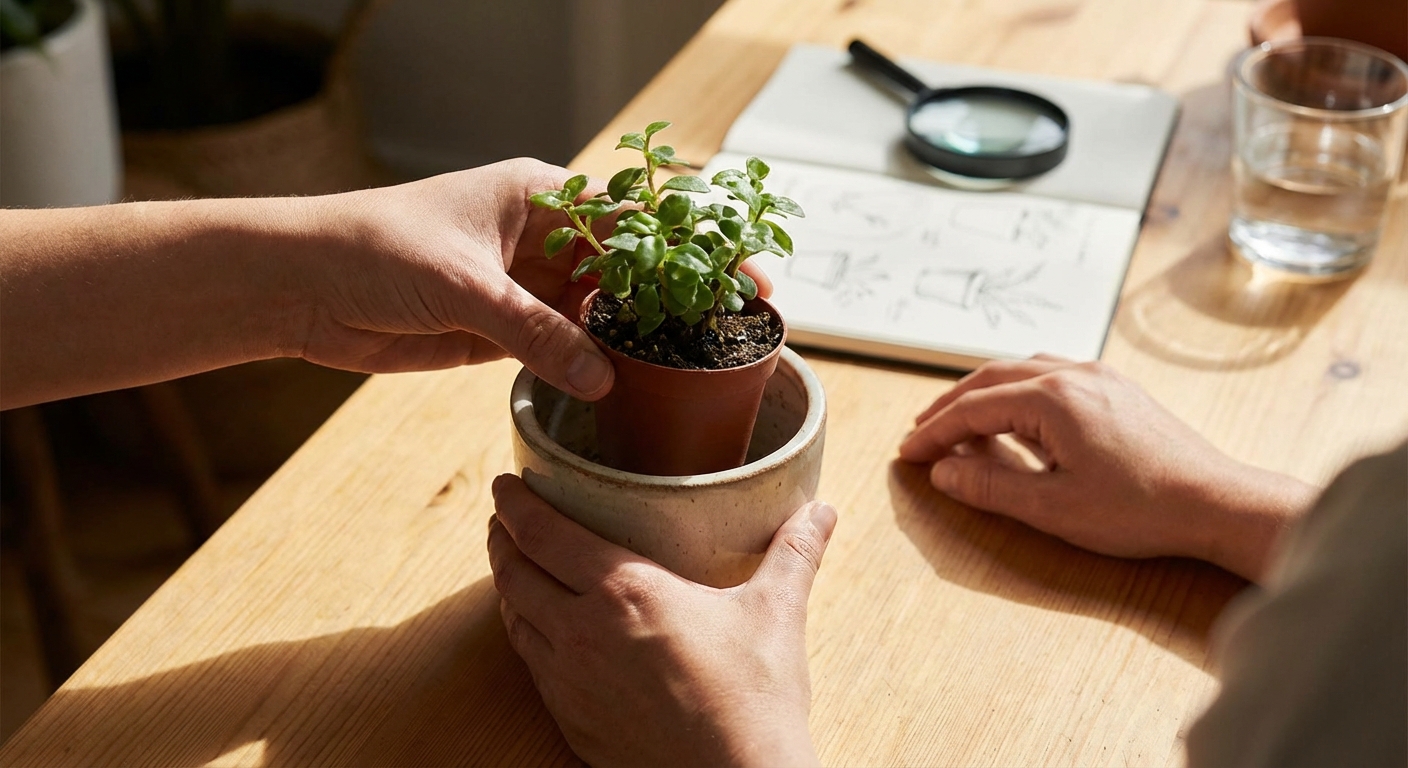
But what if happiness isn't a mountain to climb? What if it is simply a variable you can test?
The most effective way to improve your life right now isn't a grand, sweeping declaration of change. It is a "tiny experiment." It is a shift from a linear mindset—where you succeed or fail based on a massive goal—to a laboratory mindset. In a lab, there are no failures, only data points. This approach strips away the pressure of the "grand pursuit" and replaces it with low-stakes curiosity.
The Lab of One
Most of us approach our well-being with a rigid, outcome-focused mentality. We say things like, "I am going to get fit," or "I am going to stop being so stressed." These are noble intentions, but they are heavy. They require a massive amount of activation energy. When we inevitably slip up—because life gets messy—we view it as a moral failing. We think we just didn't have enough willpower.
The "Lab of One" concept flips this script. Instead of setting a goal to "be happy," you set up a hypothesis. You ask, "What happens to my mood if I spend five minutes outside before looking at my phone?" or "Does my stress go down if I write a three-sentence plan for the next day before bed?"
This isn't just fluffy self-help theory. It is backed by hard data. A landmark study from UCSF published in mid-2025 looked at "micro-acts of joy." They found that participants who engaged in brief, five-minute activities focused on connection or gratitude saw significant improvements in sleep and stress reduction. These weren't life-altering commitments. They were tiny interventions.
By treating your life as a playground for data collection, you lower the stakes. If an experiment doesn't work, you haven't failed. You have simply learned that a specific variable doesn't produce the desired result for your specific biochemistry. You note the data, and you move on. You become a scientist of your own existence, rather than a harsh critic.
Building Your Actionable Sandbox
To run these experiments effectively, you need a framework. You cannot just rely on vague intentions. You need a structure that keeps the experiment contained and manageable. We call this the PACT framework. It ensures that your experiments remain small enough to be sustainable but significant enough to matter.
- Purposeful: The experiment must be rooted in a real-life challenge you are facing. Don't just pick a habit because it sounds trendy. If you are struggling with loneliness, design an experiment around social connection. If you are feeling sluggish, design one around movement.
- Actionable: This is where most people mess up. The action must be incredibly small. If you can't do it in under ten minutes, it is too big. We are looking for "micro-acts," not lifestyle overhauls. It must be something you can do today, with the resources you currently have.
- Continuous: You need enough data to see a pattern. A one-off action isn't an experiment; it's a fluke. Commit to running the test for a specific timeframe, usually one week. Seven days is long enough to feel the effects but short enough that you won't quit out of boredom.
- Trackable: You must record the result. This doesn't need to be a complex spreadsheet. A simple notebook where you rate your mood or energy on a scale of 1-10 before and after the action is sufficient. You need objective evidence of whether the variable is working.
Once you have your PACT, you need to ensure you actually do it. This is where behavioral design comes in. You cannot rely on your memory or your motivation. Your motivation is a fickle resource; it fluctuates based on how well you slept or how annoying your commute was.
Instead, use "Anchor Moments." An anchor is an existing habit that is already hardwired into your brain. You brush your teeth every morning. You brew coffee. You open your laptop. These are anchors. You chain your tiny experiment to one of these anchors.
For example, "After I pour my coffee (Anchor), I will text one friend just to say hello (Tiny Experiment)." By linking the new behavior to an established one, you bypass the need for willpower. The environment prompts the action for you.
The Science of the Small Win
Why do we bother with things so small? Does texting one friend or taking three deep breaths really change anything?
The neuroscience says yes. Our brains are wired for "upward spirals." When you experience a small win—a moment of connection, a brief physiological release of stress, a completed task—your brain releases dopamine. This isn't just a pleasure chemical; it is a learning chemical. It signals to your brain that "this behavior is good, do it again."
Grand milestones, paradoxically, often work against us due to "hedonic adaptation." We work for years to get the promotion, we get it, we feel good for a month, and then we return to our baseline level of happiness. We adapt.
Micro-wins work differently. They provide a steady drip of positive reinforcement. According to the "Progress Principle," the single most important factor in boosting motivation and mood is the sense of making progress in meaningful work or life. It doesn't have to be big progress. It just has to be progress.
I know this from experience. A few years ago, I was carrying an extra 110 pounds. I was heavy, uncomfortable, and stuck in a cycle of binge eating. Every time I tried to "fix" it with a massive diet overhaul or a brutal gym routine, I crashed and burned within two weeks. The goal was too big, and the suffering was too high.
So, I stopped trying to lose 100 pounds. I started running tiny experiments. One week, my only goal was to walk for ten minutes after dinner. That was it. I didn't change my diet. I just tested the variable of walking. When that felt doable, I added another variable: drinking a glass of water before a meal. I treated my body like a lab, not a battleground. Slowly, those tiny data points compounded. The weight didn't fall off overnight, but the momentum built up until the lifestyle change became inevitable.
That is the power of the upward spiral. You are building emotional resilience and self-efficacy. You are proving to yourself, day after day, that you have agency over your own life.
Analyzing the Data: The React Phase
So, you have designed your PACT experiment, anchored it to your morning coffee, and run it for seven days. Now what?
This is the most critical step, and the one most people skip. You must analyze the data. In the "Tiny Experiments" methodology, this is called the React Phase. You look at your tracking notes and you make a decision. You have three options:
- Persist: The experiment was a success. You feel better, the habit was easy to integrate, and you want to keep doing it. You might even decide to scale it up slightly (e.g., walking for 15 minutes instead of 10).
- Pause: The experiment worked, but it doesn't fit your life right now. Maybe you tested a morning reading habit, but your schedule is about to change. You pause it, knowing you can return to it later.
- Pivot: The experiment failed. This is the most important outcome. Maybe you tried to journal every night, but you just stared at the page and felt frustrated. Good. You have data. You learned that nighttime journaling isn't for you. You pivot. Maybe you try morning voice notes instead. Maybe you try silence and prayer.
This framework removes the guilt. You didn't fail at journaling; the experiment simply yielded a negative result. You pivot and try a new variable.
Conclusion
The 2026 world is noisy and demanding. It constantly screams that you are not enough, that you need to do more, buy more, and achieve more to be happy. The data suggests that this approach is breaking us.
Happiness is not a prize waiting for you at the end of a marathon. It is a skill you refine through iteration. It is found in the small, quiet moments that you intentionally design. It is found in the courage to treat your life as a laboratory, to be curious about what makes you tick, and to grant yourself the grace to experiment.
Start small. Pick one variable. Be a scientist. The results might just surprise you.

See also in Personal Growth
How Attachment Theory Developed from John Bowlby’s Work in Orphanages
10 Steps to Creating a Vision Board That Works
15 Ways to Build Confidence in Everyday Life
20 Ways to Build Trust with Others
15 Ways to Develop a Lifelong Learning Habit
20 Ways to Master Small Talk