In a world buzzing with economic uncertainty and mounting stress, your home should be a haven, not another source of chaos. It’s time to intentionally craft a space that truly supports your peace and financial well-being.
Recent reports tell us that finances are the primary source of stress for most Americans, with a staggering 87% citing it as a major factor. This economic pressure leaves many feeling “financially stuck,” reshaping everything from daily spending to future plans. This isn’t just about money; it’s about the mental weight it carries. That’s where simple living comes in. It’s a powerful and timely strategy for cultivating both financial peace and inner quiet.
The heart of simple living is pure intentionality. It’s about making deliberate choices for your home — how you manage your time, energy, and resources. These choices should directly support your household’s values and needs. The simple truth is this: physical clutter often directly translates into mental clutter. When your space is chaotic, it’s incredibly challenging for your mind to find stillness. This transformation isn’t just about aesthetics; it’s about creating a sanctuary that allows you to breathe and thrive.
Here are 15 simple living strategies to transform your home into a peaceful, intentional refuge.
Phase I: Physical Decluttering & Organization
The first step towards a peaceful home is tackling the physical stuff that weighs you down. It’s not about throwing everything out, but about curating what truly serves you.
Start Small with One Zone. Don’t try to conquer your whole house at once. That’s a recipe for burnout. Instead, pick a tiny area — maybe just one drawer, a single shelf, or a section of a countertop. Completely clear it out. Finish that one small task. This gives you an immediate, tangible win and builds the momentum you need to keep going. It’s like a micro-victory that fuels your next step.
Give Every Item a Designated Home. This is a game-changer for eliminating that “wandering” clutter that seems to appear out of nowhere. If something doesn’t have a specific spot, it floats around, creating visual noise and mental friction. Make sure every single item you own has a place it belongs. Then, the discipline comes in: always return it to its home.
Implement the “One In, One Out” Rule. This simple rule is your best defense against future clutter. Every time you bring a new item into your home, whether it’s a new shirt, a kitchen gadget, or a book, commit to letting go of a similar old item. This keeps accumulation in check and forces you to regularly evaluate what you truly need and use.
Apply the ‘One-Year Rule’ for Unused Items. Go through your non-seasonal and non-sentimental belongings. If you haven’t used something in the past twelve months, it’s a strong candidate for removal. Be honest with yourself. Holding onto things “just in case” often means holding onto stagnant energy and wasted space. This isn’t about being wasteful; it’s about purposeful living.
Prioritize Hidden Storage Solutions. To truly achieve a sense of calm, utilize closed storage whenever possible. Think about integrated shelving, cabinets, and storage ottomans. These solutions keep items out of sight, which drastically reduces visual noise and helps your brain feel less overwhelmed. Open shelving can be beautiful, but too much of it can make a space feel busy.
Phase II: Creating Visual Calm & Warmth
Once the physical clutter is managed, it’s time to think about how your space feels. This phase is about infusing warmth and serenity without adding visual chaos.
Embrace White Space (Clear Surfaces). Think of clear surfaces as breathing room for your eyes and your mind. Strategically leave areas like coffee tables, kitchen counters, and even parts of your floors free of objects. This creates visual rest points. When you walk into a room, your eyes have a place to land that isn’t another thing to process.
Incorporate Natural, Warm Materials. Minimalism doesn’t have to mean cold or stark. To ground your space and add inviting warmth, bring in natural elements. Think solid wood furniture, stone accents, or pieces made from rattan and cane. These materials connect you to the earth and prevent your minimalist aesthetic from feeling impersonal.
Choose Neutral Earthy Palettes. Step beyond sterile white and embrace softer, nature-inspired colors. Creams, taupes, sage greens, and warm grays can add incredible depth and comfort to your home while maintaining a serene, timeless feel. These colors are gentle on the eyes and contribute to an overall calming atmosphere.
Layer Cozy Textures. To add depth and a truly welcoming touch, focus on tactile materials. Use linen throws, wool rugs, or velvet cushions. These textures make a space feel “lived-in” and comfortable, inviting you to relax and unwind. It’s about engaging more than just your sight; it’s about how the space feels to touch.
Digitize Paper Documents and Photos. Paper clutter is one of the sneakiest forms of chaos. Take the time to scan and move old documents, cherished photos, and appliance manuals to cloud storage. This clears up physical space, organizes important information, and frees your home from piles of paper. It’s an excellent way to contain clutter in a digital format instead of a physical one.
Phase III: Establishing Mindful Rhythms & Routines
A peaceful home isn’t just about what you own; it’s about how you live in it. This phase focuses on creating habits that support ongoing calm.
Establish Daily and Weekly Rhythms. Chaos often stems from a lack of structure. Implement simple routines for managing and maintaining your home. This could be a 15-minute daily tidy-up or a specific day for laundry. Preventing small, daily tasks from compounding into an overwhelming to-do list is key to sustained peace. These rhythms become the backbone of a calm household.
Create Slow and Simple Mornings. How you start your day often dictates its trajectory. Make a commitment to not touching your phone until after breakfast. This allows you to ease into the day without immediate external demands. It establishes a calm, intentional tone that often extends through the rest of your waking hours. This small act of discipline can have a profound impact.
Slow Down and Savor. Modern life rushes us from one thing to the next. Deliberately combat this pace by intentionally slowing down for enjoyable, mundane tasks. Cook a meal from scratch, savor a cup of coffee with undivided attention, or truly experience the act of reading a physical book. These moments of quiet contemplation are precious and ground you in the present. I remember when I quit smoking and vaping, one of the biggest challenges was learning to simply be without a constant external stimulus. I started with simple things, like really tasting my food, rather than rushing through meals. That intentional slowing down helped me find a new kind of inner stillness I hadn’t known before.
Shop Mindfully and Consciously. Every item you bring into your home has a cost—not just financial, but also in terms of space and mental energy. Practice mindful consumption by making deliberate choices about what you purchase. Ask yourself if you truly need it, if it aligns with your values, and if it will enhance your life. This conscious approach prevents the endless cycle of re-cluttering and overspending. Economic uncertainty is causing consumers to feel “financially stuck,” and mindful shopping directly addresses this by reducing unnecessary expenses and consumption.
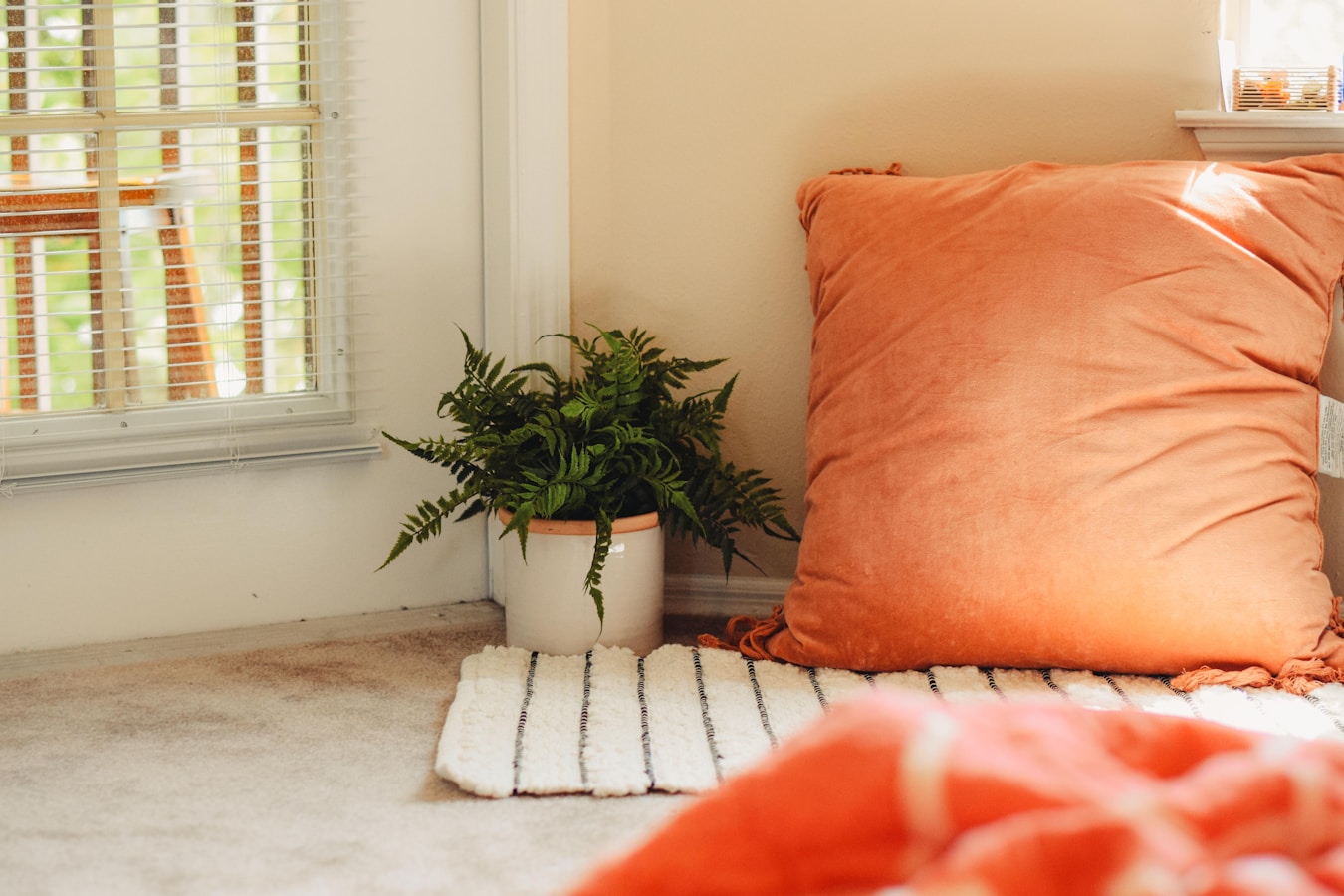
Designate a “Peace Corner” or Sanctuary. Carve out a specific, intentional space in your home dedicated solely to relaxation and quiet contemplation. This doesn’t need to be an entire room; a cozy armchair by a window, a quiet corner with a comfortable rug, or even a small alcove will do. Use elements like an essential oil diffuser (if you enjoy scents), warm, soft lighting, or a stack of meaningful books to signal that this is a retreat from the day’s demands. This corner is your dedicated spot for stillness, for quiet reflection, or for a moment of prayer.
Why Simplicity Works: The Mental Dividends
Adopting a simpler way of living in your home isn’t just about having fewer things or a tidier space. It’s about the profound mental dividends it pays. When your home is intentionally curated and organized, your brain has less to process. This reduction in visual and mental clutter frees up cognitive energy. You’ll find yourself making decisions more easily, feeling less overwhelmed, and experiencing a greater sense of calm throughout your day.
The financial aspect is just as significant. Mindful consumption and reducing accumulation naturally lead to less spending on things you don’t truly need. This can alleviate a huge source of stress for many of us, helping you feel more in control of your financial future. When your environment supports your peace, you have more mental bandwidth for what truly matters: your relationships, your passions, and your own well-being. It cultivates discipline and encourages quiet contemplation, which are essential for navigating life’s challenges with greater resilience.
Ultimately, a simplified home becomes more than just a place to live; it becomes a powerful tool for living a more intentional, peaceful, and grounded life. It’s a sanctuary from the outside world, a place where you can genuinely recharge and connect with yourself and your loved ones.