

Winter isn't about hunkering down and waiting for spring. It's an enforced pause—a perfect, dark window for the deep, necessary work of self-reflection.
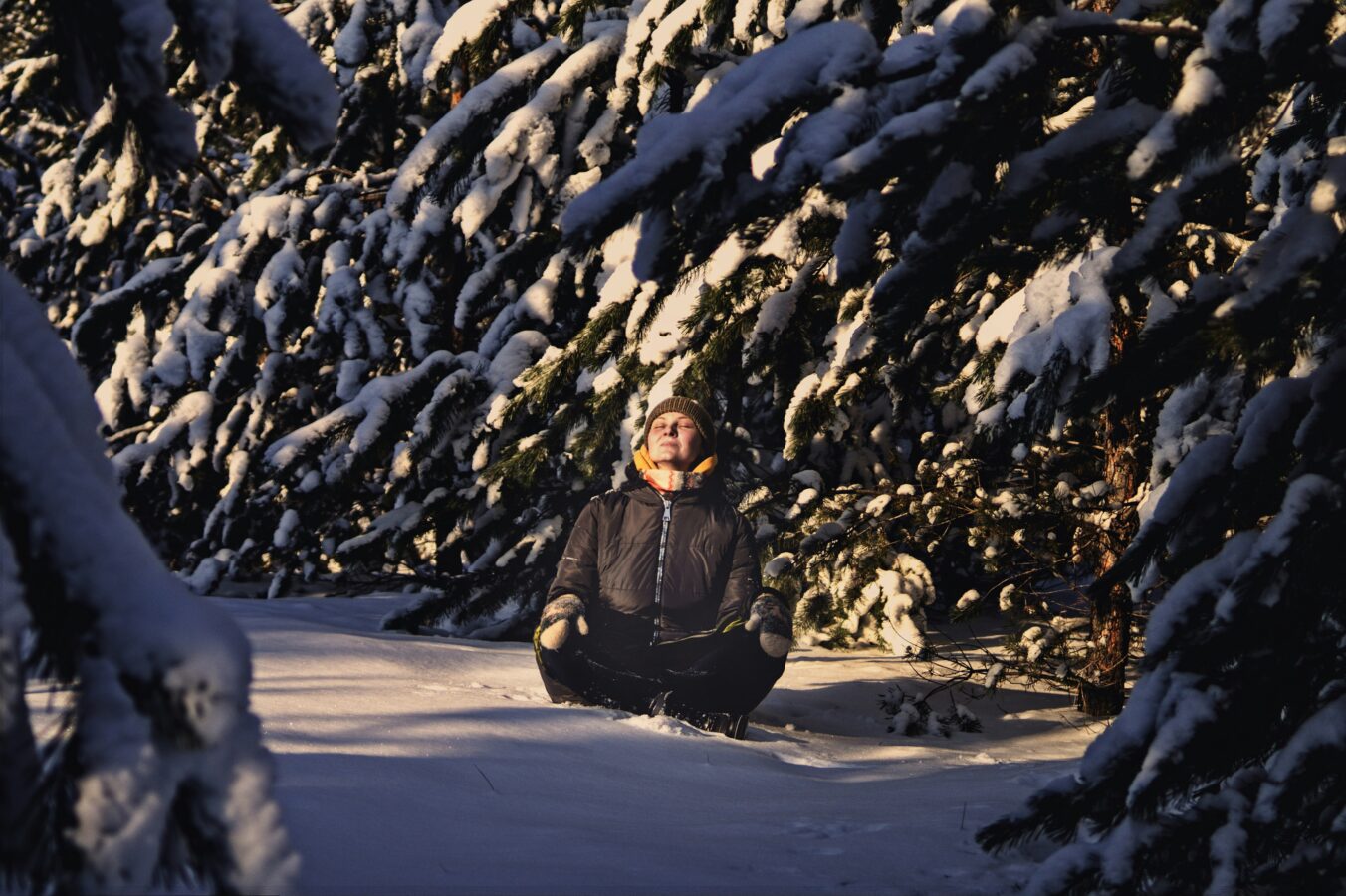
If you pay attention, nature is giving you a directive right now: slow down. The trees are bare, the soil is resting, and the energy is drawn inward. We have spent the warmer months sprinting—executing projects, chasing deadlines, and maximizing social time. But now, it’s time for the necessary counterbalance.
The winter season is your natural ally in the essential, messy work of introspection. It offers the quiet, low-light backdrop needed to truly hear yourself think, away from the constant noise and external demands that define the rest of the year.
This timing aligns perfectly with what we’re seeing in the wider world of well-being. A major trend for 2025 emphasizes a "Back to Basics" approach. People are tired of complex systems, expensive gadgets, and fads. They are rediscovering the foundational importance of stillness, movement, and nutrition over abstract 'biohacking' fads.
This shift means stepping away from external 'doing' and leaning into internal 'being.' This period of quiet contemplation isn’t wasted time; it’s crucial preparation. You are defining your values, processing your year, and aligning your current actions with the growth you want to see in the spring.
Here is a pragmatic guide to using this season for serious, meaningful self-reflection.
The Psychology of the Winter Slow-Down
When the days get short and the cold bites, many of us feel a natural dip in mood or energy. Self-care and self-reflection become even more critical during this time, not luxuries to be pursued when we have the time. We can either fight the natural pull toward rest, or we can embrace it as an opportunity.
The goal here isn't to be inactive. The goal is to be intentionally slow.
Think of it like a computer update: you can’t run new software while the old system is still trying to process a million tasks. You need to shut down the external inputs, let the processor cool, and perform diagnostics. This is what we are doing when we commit to winter introspection. We are diagnosing old patterns, clearing out mental clutter, and installing a clearer internal operating system for the months ahead.
This season is a masterclass in discipline. It takes real effort to carve out silence in a loud world. It takes serious mental toughness to sit with uncomfortable truths that surface when you finally give your mind space to breathe. But the rewards—clarity, resilience, and an unwavering inner compass—are worth the rigorous effort.
15 Practices for Inner Clarity
These practices are broken down into the mind, the body, and the connection between your inner self and the outside world.
Category 1: Mind & Intention
These practices focus on gaining clarity, processing emotions, and setting the foundation for future change.
Start a "Reflection Ritual."
Designate a specific time each week—perhaps Sunday morning or Monday evening—for an hour of uninterrupted reflection. Treat it as a non-negotiable appointment. This isn't just journaling; it's scheduled quiet contemplation where the goal is to observe, not to fix.Define Your Core Values.
Write down the three to five most important values that should guide your decisions in life, career, and relationships. Integrity? Family? Discipline? Once defined, use this list as a simple, concrete inner compass for the year ahead. If a decision doesn't align with these values, the answer is no.Practice Observational Journaling.
Go beyond simply logging events. Focus on recording what emotions and sensations you are noticing today, striving for clear observation without self-judgment. If you’re angry, describe the anger; don't analyze why you shouldn't be angry.Create a Digital Boundary.
Dedicate one hour daily to a "digital detox" by limiting screen time. We know the constant stimulation is taxing. Removing this external noise is a profound act of self-reflection. In fact, large-scale studies show that even moderate digital restriction can produce noticeable improvements in depressive symptoms and stress.Engage in "Flow State" Creativity.
Explore a new indoor, creative hobby like writing, painting, or learning a musical instrument. Creativity is simply applied focus. When you engage your hands and mind in something structured and engaging, you foster personal growth by expanding your horizons and encouraging innovative thinking.
Category 2: Body & Rest
Winter's shorter days require prioritizing physical rest and nourishment to combat fatigue and bolster mood.
Prioritize Consistent Sleep.
Stick to a strict, consistent sleep schedule and create a relaxing, analog bedtime routine. Quality rest is always important, but when the daylight hours are fewer, being consistently well-rested is critical to maintaining emotional stability.Get Daily Natural Light Exposure.
If you work indoors, make an extra effort to spend time outside in the sunlight, even if it’s just for ten minutes. If the weather absolutely prevents it, sit near a bright window. Lack of light severely impacts mood and energy; this small act is non-negotiable self-care.Take a Detoxifying Bath.
Use Epsom salt in a warm bath to soothe sore muscles and promote deep relaxation. This simple ritual forces you to sit still and warm up, which counters the pervasive chill of the season.Embrace Warm, Nourishing Meals.
Focus on staying warm from the inside out by trying new winter recipes like soups, chilis, or stews. Warm food is inherently comforting. Just as importantly, consciously stay hydrated with water—a need often neglected when we aren't sweating in the heat.Practice Indoor Movement.
If outdoor exercise is difficult due to ice or cold, commit to regular indoor physical activity. This could be stretching, bodyweight work, or a 30-minute Pilates session. Movement is mandatory because it releases endorphins that elevate mood, combating the lethargy of long nights.
Category 3: Spirit & Action
These steps connect your inner reflection to the external world and future goals, often requiring genuine discipline.
Perform a Life-Area Audit.
Take a bird’s-eye view of different areas of your life (e.g., health, career, key relationships). Ask if each area feels aligned with where you want to be. The point here is not comprehensive overhaul, but identifying one single, small change you can start today to shift the direction.Curate Your Cozy Atmosphere.
Use sensory inputs to encourage peace. Light candles, dim the lights, or use a diffuser with mild scents. The goal is to make your environment feel intentional and calming, allowing the quietness of the environment to foster inner stillness.Declutter One Small Space.
Simplify your physical environment. This could be cleaning out an old junk drawer, organizing a bookshelf, or deleting 1,000 files on your laptop. A clear, organized space reduces background stress and improves overall well-being. External order often leads to internal order.Engage in Controlled Breathing.
Set aside five minutes for simple breath control exercises. Focus on slowing your exhale and lengthening your breath. This physiological tool bypasses anxiety and stress, activating the parasympathetic nervous system and aiding in deep quiet contemplation. For me, connecting with a routine of early morning prayer, rooted in the discipline of the Christian Orthodox tradition, fundamentally changed how I approach my day. That stillness allows me to face the inevitable chaos with a centered perspective.Redefine Your Social Connections.
Winter can be isolating. Be intentional about connecting with loved ones. Skip the sprawling holiday party and opt instead for a small, cozy gathering or a single, meaningful conversation over a warm cup of tea. Quality over quantity is the winter rule for social health.
Why This Introspection Matters
This commitment to inward focus is not a retreat from life; it’s an investment in the quality of your future life.
When we fail to reflect, we run the risk of simply repeating the same mistakes year after year. We keep chasing goals that aren't actually ours, guided by values we never truly defined. Introspection is the process of building self-awareness, which is the foundational tool for effective change.
If you know what you truly value (Step 2), and you know where your time is actually going (Step 11), you can make surgical, high-impact changes.
You are creating a sustainable pace. By embracing the slow-down now, you prevent burnout when the high-energy demands of spring return. You are building inner resilience during the hardest months so that when the world speeds up again, you aren't playing catch-up. You are leading with intention.
Use this season to stop waiting for external circumstances to solve your internal problems. Give yourself the gift of silence, structure, and discipline. The growth you prepare for now will be robust, rooted, and ready to bloom when the time comes.

See also in Self-Improvement
20 Ways to Develop Willpower
10 Ways to Build Better Relationships
How to Love Your Life
Why Your Personality Type Determines Which Habits Stick
25 Easy Self-Improvement Tips
The Surprising Way Intermittent Silence Boosts Creativity