

Somewhere along the line, most of us traded recess for spreadsheets and replaced skinned knees with chronic burnout. It was a terrible deal, and frankly, we got ripped off.
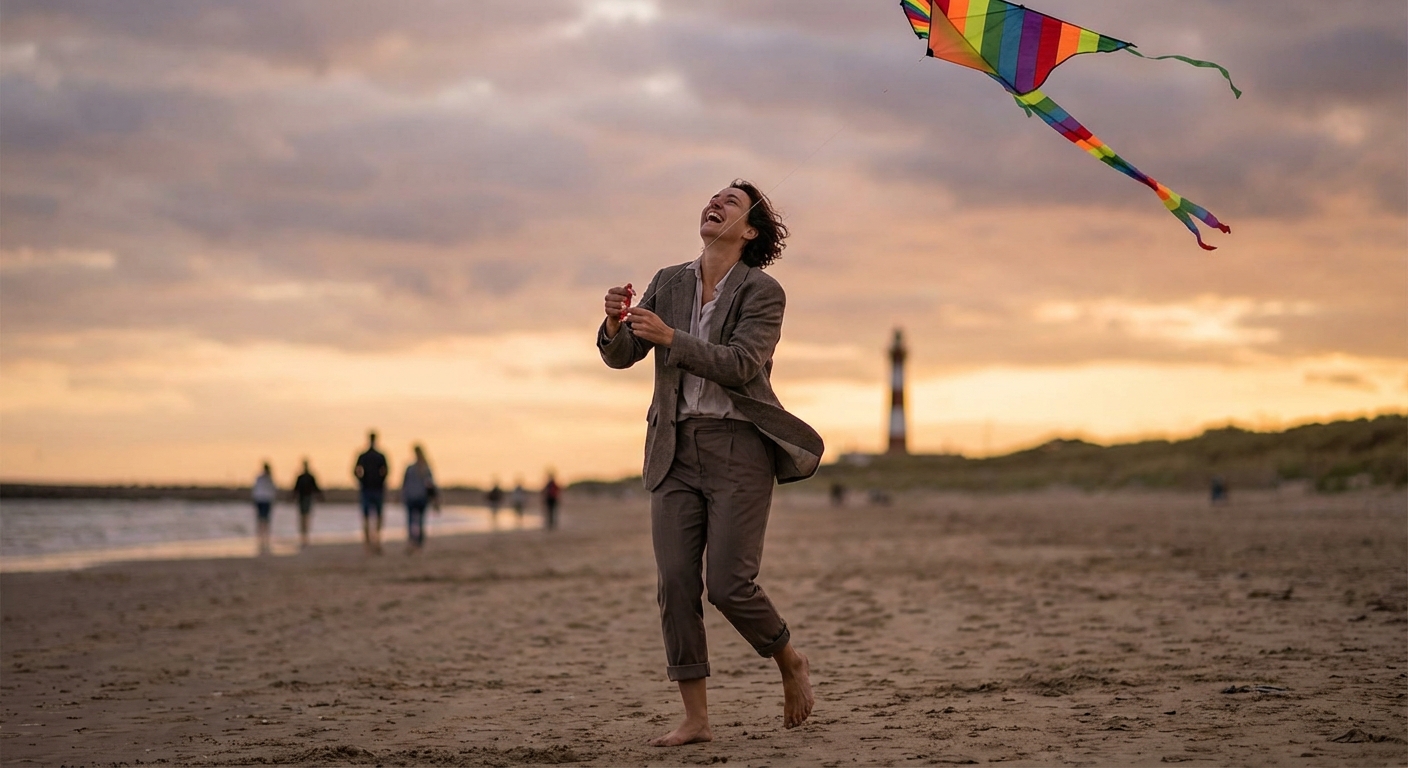
For decades, we have been told that once you turn eighteen, the time for "playing" is over. We are taught that every minute of our day must be optimized, monetized, or directed toward a specific goal. If we aren't hustling, we are wasting time. If a hobby doesn't result in a side hustle or a finished product we can post on social media, we deem it useless.
But the tide is finally turning. It is March 2026, and we are witnessing a massive cultural shift. We are seeing major metropolitan areas, like Philadelphia, officially enshrining "joyful spaces" and movement breaks into public wellness policies. This isn't just about kids anymore; it is an admission that the modern adult is breaking under the weight of digital fatigue. We don't need another app to track our productivity. We need to go play.
The Science of the "Play State"
You might feel guilty the moment you sit down to do something "purposeless." That guilt is a lie. Play is not a frivolous indulgence reserved for children and retirees; it is a biological necessity for a healthy human brain.
When you engage in true play, you enter a specific mental condition often called the "Play State." This is a state of being fully absorbed in an activity that provides enjoyment and completely suspends your sense of time. If you have ever looked up from a project or a game and realized three hours had passed in what felt like twenty minutes, you have been there.
From a physiological standpoint, this state is powerful medicine. When you are stressed, your body is flooded with cortisol. This is the "fight or flight" hormone that kept our ancestors safe from predators, but today, it just keeps you awake at night worrying about emails.
Engaging in playful hobbies acts as a hard reset for your chemical baseline. It reduces cortisol and triggers the release of endorphins and oxytocin. These are the chemicals responsible for pain relief and social bonding.
Dr. Stuart Brown, a pioneer in the study of play behavior, famously said, "The opposite of play is not work—it's depression."
When you deprive yourself of play, you aren't just becoming "serious"; you are starving your brain of the neurobiological resilience it needs to cope with life. A "play-deficit" is now considered a legitimate public health crisis, linked directly to the epidemic of loneliness and anxiety we see all around us. Your brain’s CEO gets tired, just like you do. Play is how it clocks out.
Finding Your Play Personality
The biggest reason most adults fail to stick with a hobby is that they choose one based on what they think they should do, rather than how they are naturally wired.
You might see a friend knitting and think, "I should do that to relax." But if you are someone who needs vigorous movement to clear your head, sitting still with needles and yarn might actually make you more anxious. To make play a sustainable habit, you need to identify your "Play Personality."
Dr. Brown’s framework identifies several distinct types of players. Understanding where you fit can save you a lot of frustration.
The Collector: You find joy in gathering, organizing, and curating. This isn't just about owning things; it is about the thrill of the hunt and the satisfaction of order. If this is you, looking for rare vinyl records or organizing a digital archive might be your perfect outlet.
The Kinesthete: You need to move to think. You find joy in the physical sensation of your body in space. Sitting still feels like a punishment.
The Creator: You find joy in making things work or bringing something new into existence. This could be fixing an old engine, baking, or painting. The joy comes from the transformation of raw materials.
I realized a while back that I fall squarely into the "Kinesthete" category. I spend my days juggling web development projects and marketing deadlines, sitting in a chair for hours. My brain doesn't shut off by sitting more. I recently started Muay Thai, and while I have been inconsistent lately, the effect it has on me is undeniable. When I am trying to coordinate my hands and feet, or just trying not to get hit, I physically cannot think about my inbox. The sheer physical demand of the sport forces a kind of silence in my head that I can't get anywhere else. I'm not doing it to become a fighter; I'm doing it because for that one hour, the world stops spinning.
- The Storyteller: You find joy in imagination and narrative. This could be writing, role-playing games, or even just being the one who recounts the weekend's events to the group.
Take a moment to look at your past. What did you do as a kid that made you forget to eat dinner? That is your clue. If you loved building forts, look at woodworking. If you loved tag, look at recreational sports leagues. Stop trying to force yourself into a box that doesn't fit.
Practical Steps for Implementation
Once you understand your wiring, you need to protect your playtime. In 2026, the trend is moving aggressively away from screens. We are seeing a massive rise in "analog" and tactile hobbies.
We spend our lives behind glass screens. We touch smooth surfaces all day—phones, tablets, keyboards. Our brains crave texture. They crave friction. This is why we are seeing a resurgence in physical hobbies like bioart, natural dyeing, and stop-motion animation. These activities force you to use your hands. They ground you in the physical reality of the world, which is a powerful antidote to the ethereal, never-ending nature of digital work.
Here is how you can turn this into a habit without it feeling like another item on your to-do list:
Pivot to Tactile: Choose a hobby that requires your hands. If you work on a computer, your hobby should not involve a computer. Bread-making, whittling, gardening, or pottery are excellent choices because they offer sensory feedback. You can feel the dough change; you can smell the wood shavings. This sensory input helps ground you in the present moment.
Focus on Process over Outcome: This is the hardest part for high-achievers. We are trained to value the result. In play, the result is irrelevant. If you take up painting, and your painting looks terrible, it does not matter. The goal was the act of painting itself. If you enjoyed the hour you spent mixing colors and moving the brush, the activity was a success.
Embrace the "Bad" Job: Give yourself permission to be bad at it. In fact, try to be bad at it. When you remove the pressure to be good, you remove the fear of failure. When the fear of failure is gone, you are free to truly play.
Schedule the "Unscheduled": It sounds contradictory, but you must block out time for play, or life will steal it. Block out two hours on a Sunday. Put your phone in a drawer. Do not bring it with you. Use that time to engage with your chosen activity.
Reimagining Productivity
We have to stop looking at play as the opposite of productivity. It is the fuel for it.
Neuroplasticity—the brain's ability to reorganize itself by forming new neural connections—thrives on novelty and challenge. When you try new, fun activities, you are literally keeping your brain flexible. You are improving your memory and your problem-solving skills. You are making yourself better at your "real" job by stepping away from it.
Furthermore, if you engage in group-based play, like pickleball or community pottery classes, you are tapping into social bonding. The oxytocin release builds trust and intimacy, combating the isolation that so many of us feel.
It is time to reclaim your right to recess. It is time to find something purposeless, tactile, and fun, and to do it with zero intention of ever making a dime from it. Your emails will still be there when you get back, but you will be better equipped to handle them. Go find your joy.

See also in Self-Improvement
8 Essential Skills for Effective Networking
10 Tips for Goal Refinement
20 Methods to Boost Clarity
10 Ways to Boost Self-Care This Season
How to Be Happy Anytime
The Brutal Truth About Self-Help Books Nobody Tells You