

You’ve probably noticed that the ice bath isn't just for eccentric athletes or motivation gurus anymore. If you look around, especially now in March 2026, cold water immersion has firmly transitioned from a fringe "biohack" to a standard piece of furniture in the modern home wellness setup. It seems like everyone and their neighbor is installing a sleek tub in the backyard or garage.
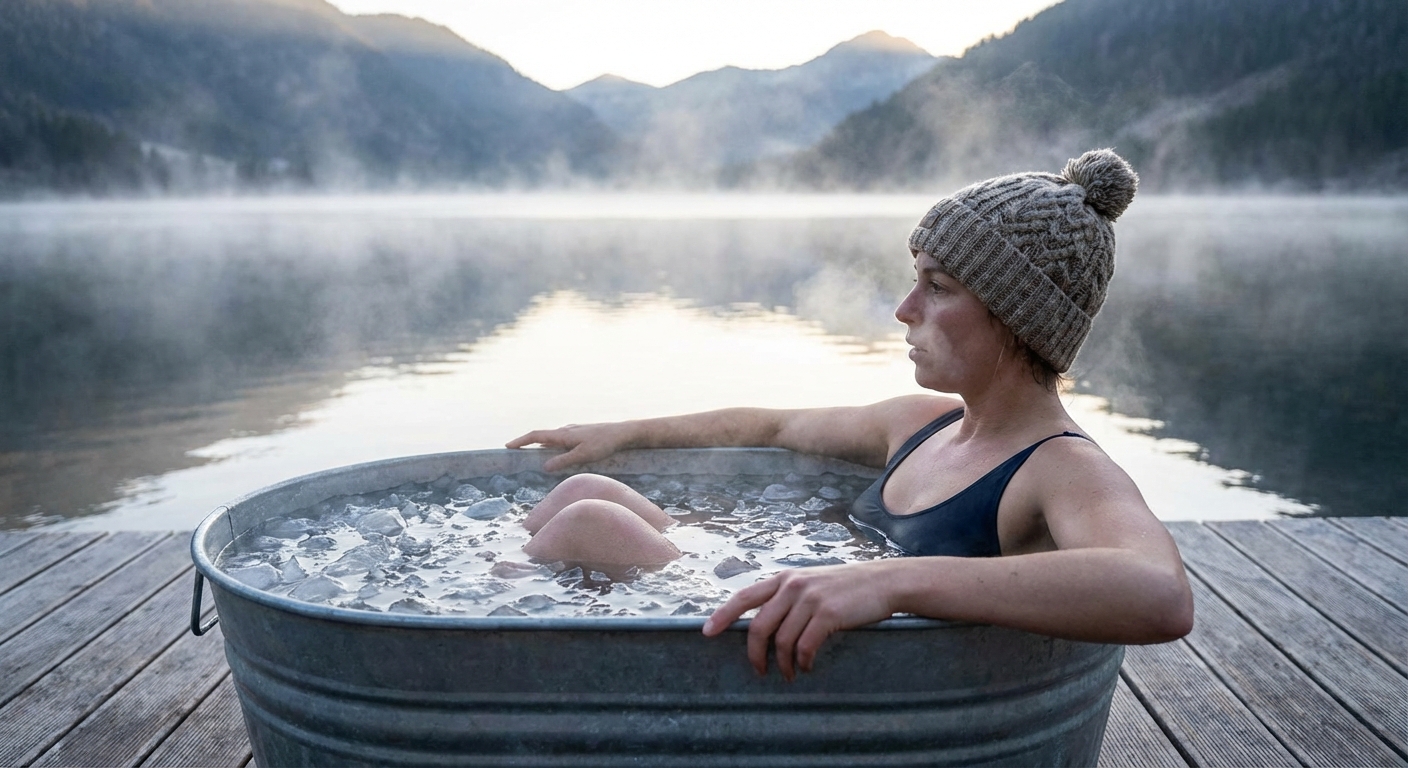
But there is a massive difference between buying the gear and actually understanding what it’s doing to your biology. While the marketing brochures talk about "vitality" and "energy," the real story happening under your skin is much more precise. It’s about managing the silent fire that burns inside most of us: chronic inflammation.
We aren't just jumping into freezing water to look tough on social media. We are doing it because, as the latest science shows, it acts as a precision tool for recalibrating how our bodies handle stress, injury, and aging. It’s uncomfortable, sure. But that discomfort is exactly where the magic—and the science—happens.
The Neuro-Endocrine Trigger
Let's cut through the noise and look at the chemistry. When you submerge yourself in cold water, your body doesn't just get cold; it panics. This panic is a calculated biological response that triggers a flood of neurochemicals. The most important player here is norepinephrine.
Think of norepinephrine as your body’s emergency broadcast signal. When that cold water hits your skin, your brain's CEO wakes up and slams the alarm button. Research consistently shows that a solid cold plunge can skyrocket your norepinephrine levels by 200% to 300%, and in some extreme cases, over 500%.
Why does this matter for your joints and your gut health? Because norepinephrine is a double agent. It doesn't just wake you up; it acts as a potent anti-inflammatory compound. It specifically targets and suppresses pro-inflammatory cytokines—proteins like TNF-alpha and IL-6 that are responsible for systemic swelling and pain.
In our modern lives, we are often swimming in a soup of low-grade stress that keeps these inflammatory markers chronically high. We sit too much, we eat processed food, and we stare at screens. This keeps our inflammation "on" at a low hum constantly. The surge of norepinephrine from the cold acts like a hard reset switch, forcefully dialing down that background noise. It’s not just about feeling awake; it’s about chemically instructing your immune system to stand down.
The Cellular Cleanup Crew
Beyond the immediate rush of hormones, there is a slower, deeper process at work called autophagy. If you haven't heard this term yet, you will. In simple terms, autophagy is your body’s internal janitorial service. It’s the process where your cells look around, identify damaged components, metabolic waste, and dysfunctional proteins, and recycle them.
Usually, this process only kicks in during starvation or extreme exertion. However, the latest data from 2025, specifically a study out of the University of Ottawa, has highlighted how cold exposure acts as a unique trigger for this system.
The research revealed that it’s not just the cold itself, but the consistency of the cold that matters. The study found that individuals who stuck to a protocol of cold water immersion for seven consecutive days saw a significant uptick in autophagic markers.
The cold forces your cells into a survival state. When a cell thinks it might not make it, it stops focusing on growth and starts focusing on efficiency. It clears out the junk. This is crucial because the accumulation of cellular "trash" is one of the primary drivers of aging and tissue degeneration. By forcing this cleanup, you aren't just recovering from yesterday's workout; you are potentially slowing down the cellular clock.
I have a personal stake in this mechanism. I lift weights three times a week, not because I want to look like a bodybuilder, but because I need to manage chronic back pain. If I stop lifting, the pain returns. But lifting heavy creates its own wear and tear. I used to rely heavily on ibuprofen to manage the post-lift inflammation, but understanding this cellular cleanup has changed my approach. Relying on the body's own recycling mechanism feels a lot more sustainable than wrecking my stomach lining with pills.
The Acute Paradox of Stress
This is the part that confuses people. If you measure your inflammation markers five minutes after you get out of an ice bath, they will actually be higher, not lower.
This is the paradox of "hormetic stress." Hormesis is the biological principle that a short, intense burst of stress triggers a cellular adaptation that makes you stronger in the long run. It is the same reason lifting weights works: you tear the muscle (damage) so it grows back stronger (repair).
The cold is an assault on your system. It causes an acute spike in oxidative stress and inflammation as your body fights to maintain its core temperature. A massive meta-analysis published in PLOS One in 2025 confirmed this. They found that while inflammation spikes for up to an hour post-exposure, the rebound effect is profound.
The body overcompensates for that shock. Once the threat is gone, the immune system rebuilds its defenses stronger than before. The study noted a 29% reduction in sickness absence among regular cold plungers. By voluntarily subjecting yourself to a short burst of high inflammation, you train your body to handle the involuntary stress of viruses, injuries, and daily life much more efficiently. You are effectively inoculating yourself against stress.
Practical Protocols for Real Results
Knowing the science is useless if you don't have a plan. You don't need to turn into an extremist to get these benefits, but you do need discipline. The goal is the minimum effective dose, not suffering for the sake of suffering.
Here is the protocol that balances safety with physiological impact:
1. The Temperature Sweet Spot
You do not need the water to be 33 degrees. That is a myth. The therapeutic window for triggering the norepinephrine response and autophagy is generally between 50°F and 59°F (10°C–15°C). This is cold enough to shock the system but safe enough to avoid immediate hypothermia or nerve damage. If you are gasping for air, it’s working.
2. Duration and Consistency
The 2025 data suggests that frequency beats duration. You are better off doing 3 minutes every day than 15 minutes once a week. Aim for sessions ranging from 2 to 5 minutes. Beyond 5 minutes, the returns diminish, and the recovery cost increases. The "shiver" is your body telling you it has had enough. Listen to it.
3. The Safety Check
We have to be pragmatic here. When you hit that water, your heart rate will spike, and your blood pressure will jump. This is the "cold shock" response. If you have any history of cardiovascular issues, high blood pressure, or heart conditions, you must talk to your doctor first. This is a stressor, and if your "engine" isn't ready for the RPMs to redline, you could have a problem.
4. The Mental Game
Finally, treat this as a practice of breath control and will. Do not distract yourself. Do not listen to a podcast. Sit in the silence. When the panic sets in, force your breath to slow down. This mental override is just as important as the physical reaction. It teaches your brain that you can remain calm even when your environment is hostile.
Cold exposure is a powerful tool in our modern arsenal against inflammation. It strips away the comfort that makes us weak and replaces it with a biological resilience that is hard to fake. It isn't a cure-all, but as a method for keeping your system clean and your inflammation low, the science is undeniable.

See also in Self-Improvement
10 Self-Improvement Challenges for November
20 Ways to Celebrate Small Wins This Season
15 Tips for Effective Time Management in College
The Truth About Changing Your Life
A Japanese Method for Overcoming Laziness Is Going Viral
15 Tips to Cultivate Daily Gratitude