It is 3:00 AM, and you are staring at the ceiling.
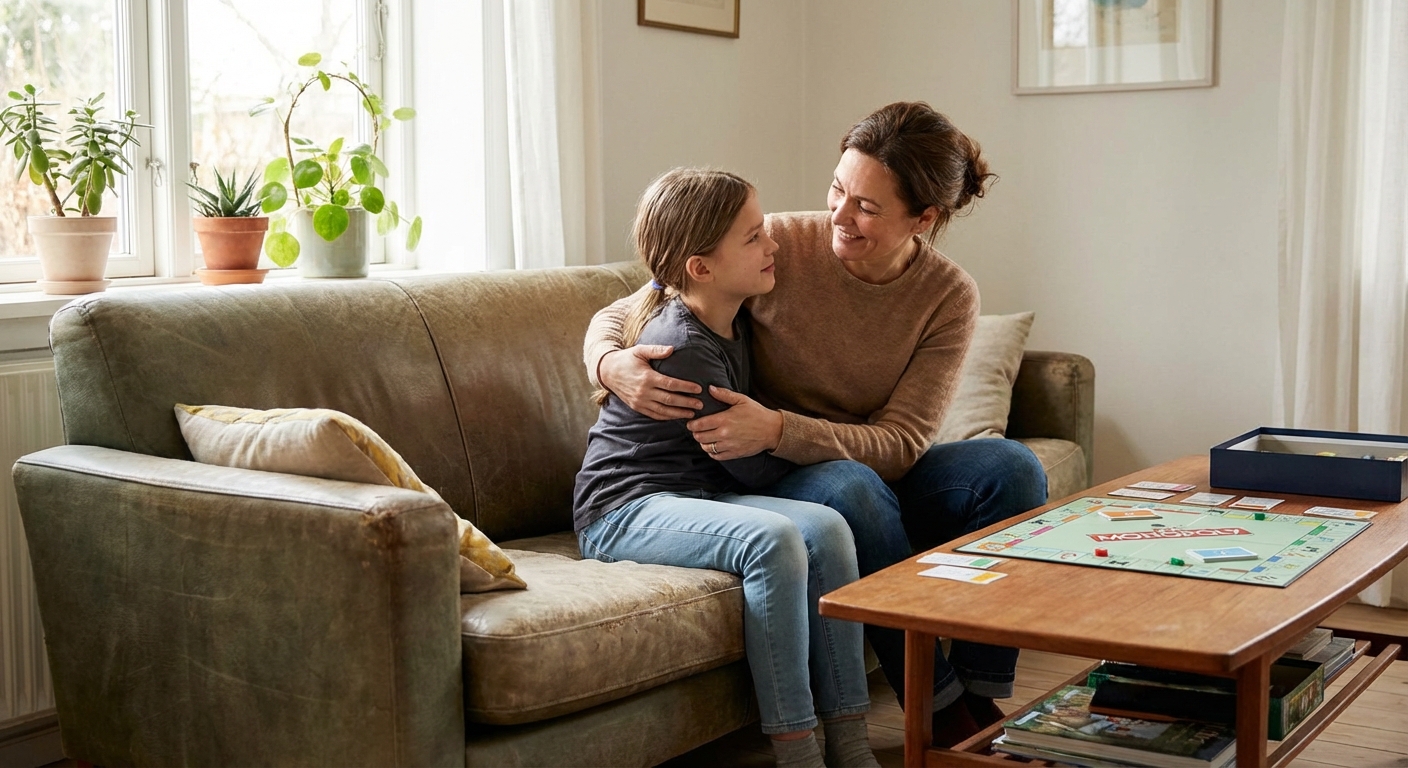
Every parent knows this feeling. It is the hollow pit in your stomach that forms when you wonder if your child is okay. Not just "did they eat their vegetables" okay, but deeply, fundamentally safe.
In 2026, that fear has a different shape than it did for our parents. We aren't just worried about a stolen beer behind the bleachers. We are navigating a landscape where counterfeit pills laced with fentanyl look exactly like prescription medication, and high-potency vapes are hiding in plain sight.
The stakes have never been higher. Yet, amidst the terrifying headlines and the shifting trends, there is a piece of advice that addiction counselors keep coming back to. It is not a new app to track your kid's phone. It is not a specific drug test you can buy at the pharmacy.
It is a shift in mindset. It is the realization that the strongest anti-drug policy you can enact is not found in a rulebook, but in the relationship you build in your living room.
The Paradox of Modern Parenting
We are living through a strange paradox right now. If you look at the raw numbers, we actually have some good news. Traditional drug use among teenagers is trending down. In fact, recent data shows that 91% of 8th graders and 66% of 12th graders are currently abstaining from illicit substances, which proves that the majority of kids are making healthy choices.
But here is the catch: while fewer kids are experimenting, the danger for those who do is astronomical.
The margin for error has vanished. A decade ago, experimentation might lead to a bad hangover or a grounding. Today, one bad pill can be lethal. This creates a high-pressure environment for parents. We feel an intense urge to clamp down, to control, to police every movement.
It makes sense. When we are scared, we try to grab the steering wheel. But seasoned addiction counselors will tell you that this instinct—while born of love—can often backfire.
If you turn your home into a police state, your child will learn to be a better criminal. They will learn to hide. And in an era where substances are odorless and invisible, you cannot afford for them to hide. You need them to talk.
The Core Idea: Connection Over Control
There is a phrase that has been circulating in recovery circles for years, and it is the single most important thing a parent needs to understand: Connection is the opposite of addiction.
We tend to think of addiction as a "substance" problem. We think the alcohol or the pills are the enemy. But usually, the substance is just the solution the child has found for a problem we cannot see.
Addiction is rarely about the high. It is about the relief. It is about soothing a pain, filling a void, or quieting a noise in their head that they don't know how to manage otherwise.
I know this territory well. Years ago, before I lost 110 pounds and reclaimed my health, I was locked in a cycle of binge eating. I wasn't hungry for food; I was hungry for relief. I used food to numb out anxiety and stress because I didn't have better tools to handle those emotions. If someone had just slapped the fork out of my hand without addressing the reason I was eating, I would have just found another way to cope.
Your child operates the same way. If they are turning to substances, they are likely trying to disconnect from something painful—loneliness, academic pressure, social anxiety, or trauma.
If we focus only on the behavior—the "what"—we miss the "why." And the "why" is where the healing happens.
The Shift in Perspective
We need to move from a "Moral Failing" model to a "Symptom of Pain" model.
The old way of thinking says that drug use is a sign of a bad kid or bad parenting. It suggests that if you just apply enough "tough love" and punishment, the behavior will stop.
The new reality—and the one backed by counselors who work in the trenches—is that substance use is often a symptom of isolation.
When a child feels deeply connected to their family, when they feel their home is a "Safe Harbor" where they can be honest without being immediately shamed, the allure of chemical escape diminishes.
This doesn't mean you become a pushover. It doesn't mean there are no rules. It means the rules are framed as safety rails for a developing brain, not arbitrary punishments from a dictator.
Actionable Strategies: The Three C's
So, how do we translate this into Tuesday night at the dinner table? It starts with a framework known as the Three C's. This is often taught to families of those in recovery, but it is just as vital for prevention.
You must internalize these three truths regarding your child's choices:
- You didn't Cause it.
- You can't Control it.
- You can't Cure it.
This sounds terrifying, I know. It sounds like giving up. But it is actually the opposite. It is liberation.
When you realize you can't control your child's every move (especially when they leave the house), you stop trying to be the policeman. When you stop being the policeman, you can start being the parent. You can move from "monitoring" to "mentoring."
Connection Before Correction
Here is a practical script flip. Let’s say you find a vape in your teenager's backpack.
The old instinct is to explode. "How could you? You're grounded! Don't you know how dangerous this is?"
The connection-first approach looks different. It requires a pause. It requires discipline and breath control on your part to regulate your own anger before you speak.
You might say: "I found this in your bag. I am scared because I love you and I want you to be safe. But more than that, I want to know what's going on with you that makes you feel like you need this. Are you stressed? Are you anxious? I’m not here to yell; I’m here to help you figure this out."
See the difference? The first approach drives the behavior underground. The second approach opens a door.
Fighting the Digital Disconnection
We also have to be honest about the environment our kids are growing up in. They are more "connected" than ever via screens, yet many are profoundly lonely.
Social media and gaming can mirror the isolation of substance use. They provide a dopamine hit without the nutrition of real human interaction.
One of the most powerful things you can do is to prioritize "analog" connection. This isn't about banning phones; it's about carving out sacred time where they don't exist.
Take a walk. Cook a meal together. Work on a project with your hands. Rebuild the neural pathways that enjoy real-world interaction. In the Christian Orthodox tradition, there is a deep emphasis on being present—on quiet contemplation and community. We need to bring that spirit into our homes. We need to normalize stillness and presence so that our children don't feel the constant need to escape reality to feel okay.
The Long Game
You cannot fix your child. You cannot live their life for them.
But you can provide the soil.
If your home is a place of connection, where truth is welcomed and pain is met with empathy rather than shame, you are providing the essential nutrients for resilience.
The goal isn't to raise a child who never struggles. The goal is to raise a child who knows that when they struggle, they don't have to numb it alone—they can come to you.
That connection is the one thing that changes everything.