You lock the doors at night to keep the danger out, but sometimes, the heaviest locks create a pressure cooker inside the home that eventually blows the roof off.
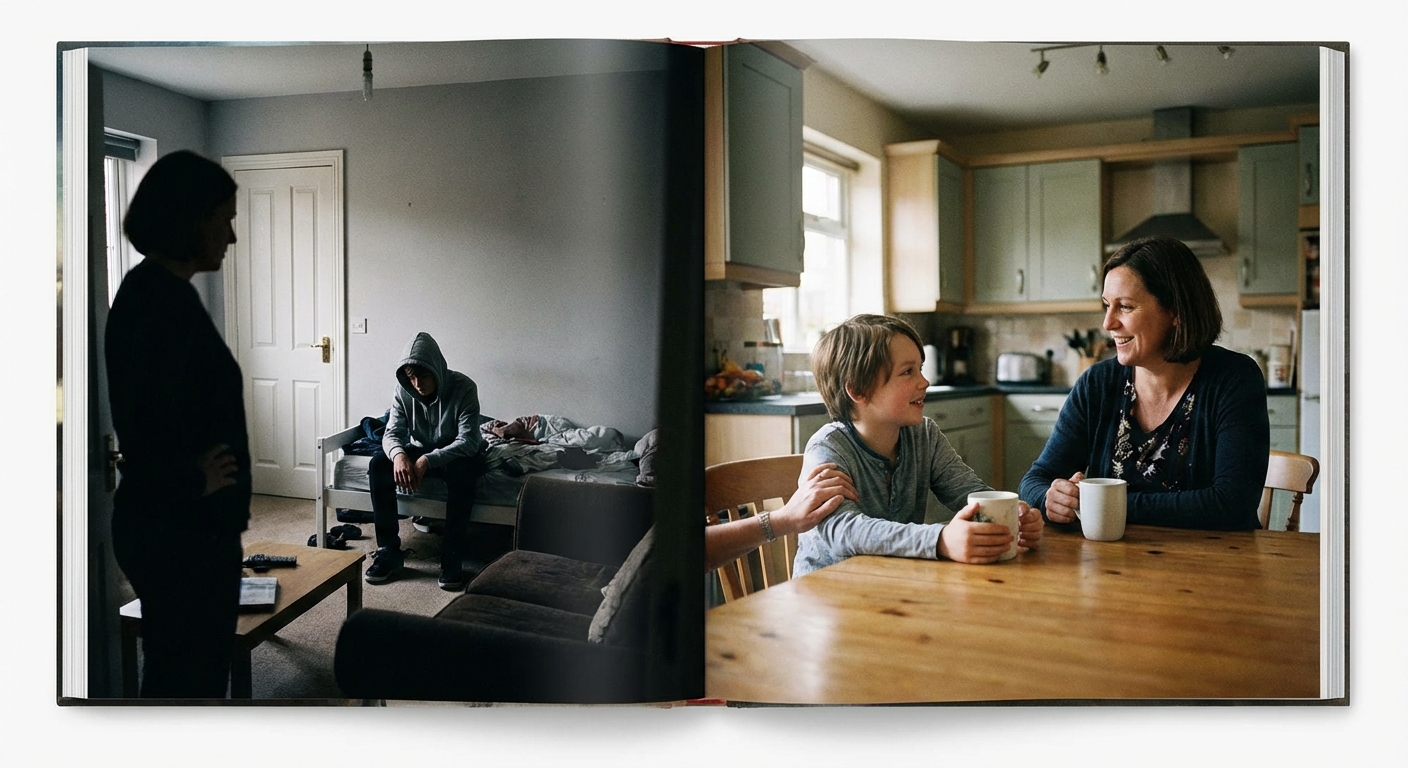
We need to have a serious, uncomfortable conversation about control. As parents, we often operate under the assumption that stricter rules equal safer kids. We believe that if we can just monitor their location, check their texts, and curate their friends list, we can shield them from the chaos of the world. It feels like love, and often, it is born from a place of deep, protective love.
But there is a massive difference between protection and suffocation. A major study released in March 2026 in Addictive Behaviors analyzed thousands of adolescents and confirmed what many of us have secretly feared: "Authoritarian" parenting—the kind defined by high strictness and low warmth—isn't just ineffective; it’s actually a catalyst for the very behaviors you are trying to prevent.
When you rule with an iron fist, you aren't teaching your child how to drive their own life; you're just keeping your foot on the brake until they leave the house. And the moment that foot is lifted, they often crash.
The Illusion of Control
We have to distinguish between two terms that sound similar but produce radically different human beings: "Authoritarian" and "Authoritative."
Authoritarian parenting is the "because I said so" method. It relies on external pressure, fear of punishment, and rigid adherence to rules without explanation. It treats the child like a soldier who must fall in line.
Authoritative parenting, on the other hand, is the "mentor" method. It still has high standards and firm boundaries, but it combines them with warmth, dialogue, and explanation.
The problem with the Authoritarian approach is that it relies entirely on external regulation. You are the police force, the judge, and the jury. As long as you are in the room, the child behaves. But here is the catch: you cannot be in the room forever.
When a child grows up in a high-control environment, they never develop "internal brakes." They don't learn why they shouldn't drink to excess or why they should avoid certain substances; they only learn that they will get in trouble if they get caught. They don't build a value system; they build an evasion system.
I know what it is like to live in a cycle of strict restriction and inevitable rebellion, though my battle wasn't with parents, but with my own body. Years ago, I lost 110 pounds, but before that success, I was trapped in a vicious binge-eating cycle. I would ruthlessly starve myself all day, imposing strict, authoritarian rules on my hunger. By nightfall, the mental pressure was so intense that my willpower shattered, and I would eat everything in sight. I had no internal regulator, only external laws that I resented. Once I stopped policing myself like a tyrant and started treating my body with respect and balance, the urge to binge vanished.
Kids operate the exact same way. When the pressure of strictness becomes too high, they don't just bend; they break. And often, they look for something to numb the pain of that break.
The Neurobiology of Avoidance
Let’s look at what is happening under the hood of your teenager's brain. Adolescence is a period of "maturational imbalance." The part of the brain that craves rewards and social acceptance (the emotional system) is on fire, while the "CEO" of the brain (the prefrontal cortex), which handles impulse control and long-term planning, is still under construction.
When a child lives in a high-conflict or emotionally cold home, their stress levels skyrocket. Their brain is constantly flooded with cortisol. They are in a state of hyper-vigilance, always waiting for the other shoe to drop or the next punishment to land.
This is where the tragedy of addiction often begins. It is rarely about "partying" in the beginning. It is about relief.
Research indicates that adolescents who fear their parents or lack that "warm" connection are significantly more likely to use substances as a coping mechanism. They aren't looking to get high; they are looking to get out. They are using alcohol or drugs to turn down the volume on the anxiety caused by their home environment.
Strict parenting tends to increase neuroticism (a tendency toward anxiety and depression) and sensation-seeking behavior. It creates a perfect storm: a kid who feels bad and has never been taught how to manage those feelings, combined with a desperate need to feel something other than fear. When that kid discovers that a substance can chemically force their brain to relax, the addiction takes hold not as a recreation, but as a medication.
Actionable Shifts for Parents
If you are reading this and realizing you might have been gripping the wheel too tight, don't panic. You can pivot. The goal is to move from being a ruler to being a mentor. Here is how you start shifting the dynamic to build real resilience in your kids.
1. Explain the "Why" Behind the "No"
You must kill the phrase "because I said so." It breeds resentment and ignorance. When you set a boundary, explain the logic.
Instead of saying, "You can't go to that party," try saying, "I'm not comfortable with you going there because there’s no adult supervision, and I know that in those environments, things can get out of hand quickly. My job is to keep you safe until you have the experience to spot those dangers yourself."
This shifts the dynamic from a power trip to a safety briefing. It respects their intelligence and helps them understand risk assessment.
2. Prioritize Emotional Presence Over Surveillance
In 2026, the trend in psychology is "relational" prevention. This means your relationship is the strongest anti-drug tool you have.
If your kid comes home late, your first instinct might be to scream or ground them. Try to pause. Ask them what happened. Listen to them without interrupting. Create a space where they can admit they made a mistake without fearing that their life is over.
If a child knows they can come to you and say, "I messed up," or "I felt uncomfortable at that party," without being immediately condemned, they are less likely to hide their behaviors. Secrecy is the petri dish where addiction grows. Sunlight and conversation kill it.
3. Foster Decision-Making Autonomy
You have to let them practice making choices while the stakes are relatively low. If you control every aspect of their clothing, their schedule, and their hobbies, you are atrophying their decision-making muscles.
Empower them. Ask them how they would handle a situation where a friend was drinking and wanted to drive. Role-play the scenario. Ask them, "What do you think is the smart move there?"
When they come up with the answer themselves, they own it. It becomes part of their identity. A child who believes "I am a person who makes smart choices" is infinitely safer than a child who thinks "I am a person who has to follow dad's rules."
Connection is the Cure
The data is clear, and it has been for years. The single most effective factor in protecting a child from drug use and psychosocial maladjustment isn't a GPS tracker or a drug test kit. It is parental warmth.
Strictness without warmth is just bullying with good intentions. It drives behaviors underground. It creates a "Rebound Effect" where, the moment the child gets a taste of freedom (like freshman year of college), they over-correct. They binge on the freedom they were denied, often with catastrophic consequences.
We want our children to be disciplined, yes. But we want that discipline to come from within. We want them to seek stillness and peace through healthy means—whether that is through exercise, deep focus, prayer, or simply sitting in silence—rather than seeking a chemical off-switch for their brain.
You cannot control your child forever. But you can influence them forever. That influence is built on trust, respect, and the understanding that your home is a sanctuary, not a barracks. Unlocking the doors of communication is the only way to ensure that when they walk out into the world, they are strong enough to say "no" on their own terms.