There was a time when booking a flight was just about escaping your 9-to-5, but in March 2026, travel has evolved into something far more urgent—it has become a rescue mission for the self.
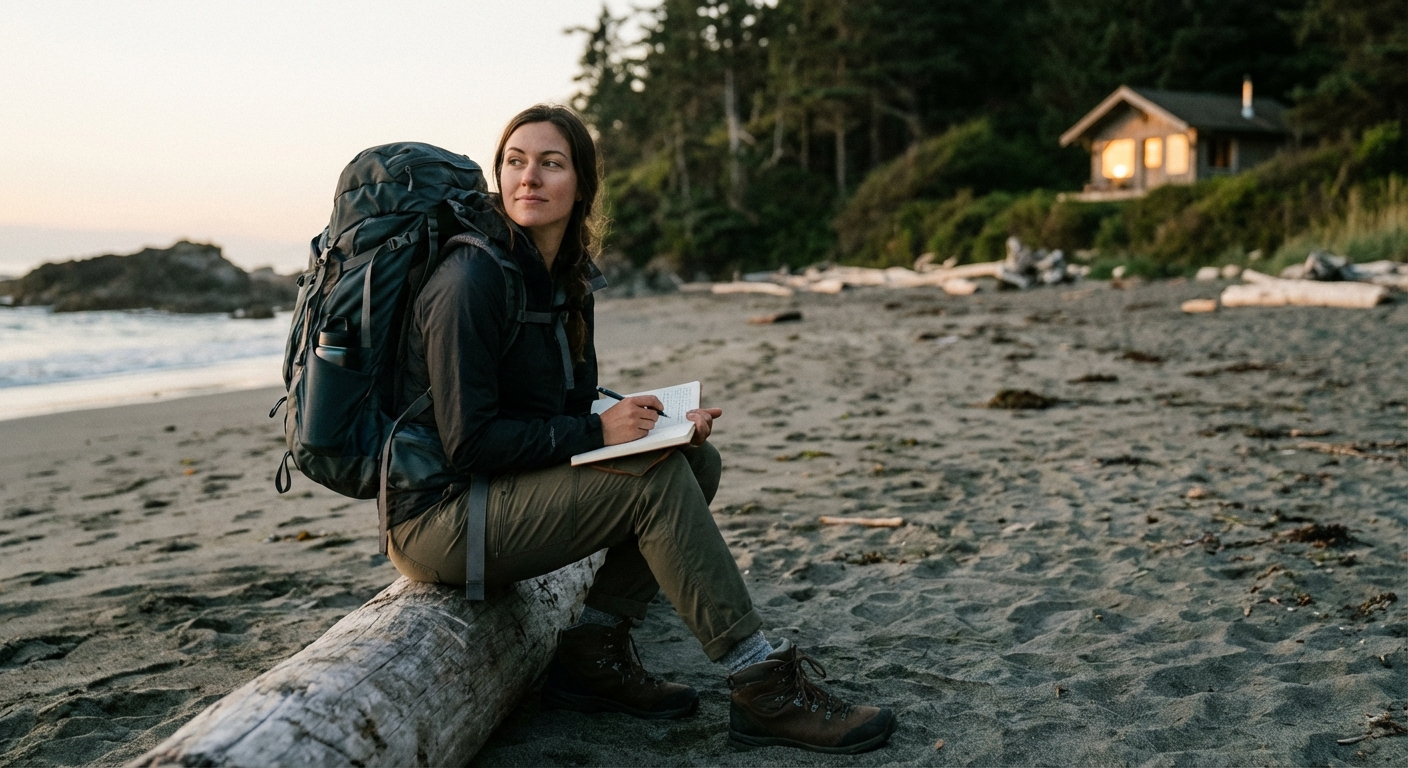
The 2026 Solo Travel Renaissance
If you feel like everyone you know is suddenly packing a bag and heading off on their own, you aren't imagining things. We are currently witnessing a massive shift in how people view their time off. It is no longer enough to simply sit by a pool and drink sugary cocktails until the sunburn sets in. We are craving something deeper.
Recent data backs this up. As of right now, 59% of travelers have taken a solo trip in the last five years, a number that has jumped significantly just since 2025. But the interesting part isn't the number of people going; it is why they are going. We have moved away from the "Instagram era" of travel, where the goal was to make others jealous of your location. We have entered an era of "moods and meaning."
You might hear terms like "shelf discovery" thrown around in travel magazines. It sounds fancy, but it just means exploring hyper-local environments—like browsing a grocery store in Tokyo or a bookstore in Lisbon—rather than standing in line for a tourist trap. It is about the quiet intimacy of normal life in a new place. Then there is the concept of the "glow-cation." This isn't about getting a tan; it is about a radiant, internal shift. It is a trip specifically designed to fix what is broken inside you.
We are tired. The noise of modern life is deafening. Solo travel has become the primary vehicle for personal evolution because it is the only time many of us ever experience true silence. It is the only time we stop performing for an audience.
The Science of Self-Reliance
When you travel with a partner or a group, you are constantly in a state of negotiation. You compromise on where to eat, when to wake up, and how much walking is too much walking. It is a social dance. When you travel alone, the music stops.
This silence can be terrifying at first, but it is exactly what your brain needs. Psychologists call this a "catalyst for values integration." That is a complicated way of saying that when you remove the need to please others, you finally figure out what you actually value. You are forced to activate your own internal resources.
Think of your brain like a muscle that has atrophied because you have been outsourcing your decisions to your spouse, your boss, or your social circle. When you land in a foreign city where you don't speak the language and your map app glitches, you cannot look at anyone else to fix it. You have to fix it.
This builds self-efficacy. It proves to you, in real-time, that you are capable. Research on Millennials and Gen Z shows that about 70% of them report that solo exploration directly fosters a deeper sense of empowerment. It is not just about having a fun week; it is about coming home with the realization that you can navigate the unknown.
Breaking your routine does something physical to your brain. It interrupts the neural pathways associated with stress and "rumination"—those repetitive, negative thoughts that loop in your head when you are trying to sleep. When you are busy trying to figure out the train system in Berlin, your brain doesn't have the bandwidth to obsess over an awkward email you sent three weeks ago. You are forcing your mind into the present moment, not through some abstract concept, but through the sheer necessity of survival and navigation.
The Practical Path to Growth
If you are reading this and feeling a knot of anxiety in your stomach, that is normal. The idea of being alone in a strange place is daunting. But you don't need to dive into the deep end immediately. You can build this muscle gradually.
Here is a practical framework for the modern solo traveler:
Build Confidence at Home First
Before you book a ticket across the ocean, try a test run in your own city. Go to a movie alone. Eat dinner at a sit-down restaurant by yourself—no phone, no book, just you and the food. It sounds simple, but for many people, this is incredibly difficult. You need to train your brain to feel comfortable in its own company. If you can't handle a solo dinner in your hometown, a solo week in Paris will crush you. Start small.Leverage AI to Lower the Stress
We are living in 2026, so use the tools available to you. You don't need to be a logistics expert. Currently, 83% of solo travelers use AI tools to organize their itineraries. Use ChatGPT or similar platforms to do the heavy lifting. Tell the AI: "I want a low-stress, quiet itinerary for four days in Mexico City focusing on history and quiet parks." Let the technology handle the cognitive load so you can focus on the experience.Prioritize "Slow Travel"
One of the biggest mistakes rookie solo travelers make is trying to see five cities in ten days. That is a recipe for burnout. Instead, aim for 8 to 14 days in a single location. This allows you to get over the initial "survival mode" and settle into a rhythm. You want to stay long enough that the neighborhood barista starts to recognize you. That sense of familiarity breeds a feeling of belonging, which is where the real reflection happens.Use Safety Tech for Peace of Mind
You cannot relax if you don't feel safe. Security is the foundation of mental exploration. Download verification-based apps like "Viola Walk Home" or "SafeYOU." Share your live location with one trusted friend back home. This isn't about being paranoid; it is about creating a safety net so your brain can stop scanning for danger and start soaking in the environment.
The "Glow-cation" Effect
The term "glow-cation" might sound like marketing fluff, but the principle behind it is solid. It is about using travel as a hard reset for your mental health.
In our daily lives, we are often trapped in cycles of reaction. We react to notifications, we react to demands, we react to noise. We rarely act with pure intention. Solo travel strips away the familiar comforts that usually distract us. When you don't have Netflix, your comfortable couch, or your usual takeout spot, you are left with just yourself.
This is where the "mental distance" kicks in. It provides the space for your emotional resources to replenish. You aren't just resting your body; you are resting your decision-making fatigue.
I know this from my own life, though in a slightly different context. I am an Orthodox Christian, and my tradition places a heavy emphasis on stillness and silence. We use prayer not just as a request for things, but as a way to quiet the noise and center ourselves. I have found that solo travel offers a secular version of this same discipline. Walking alone through a quiet street in a foreign city creates a similar kind of hush in the soul. It forces you to confront the noise in your head and, eventually, let it settle.
When you return from a trip like this, you don't just come back with photos. You come back with a clearer head. You come back having proven to yourself that you are competent, capable, and comfortable in your own skin.
Stepping out the door is the hardest part. The couch is easy. The routine is safe. But the growth you are looking for is not in your living room. It is out there, waiting for you to come and find it.