

The stark, empty minimalism of the last decade is over. Today, simple living means building a warm, intentional space that fuels your focus, not draining your soul. Let's talk about building a home that works for you.
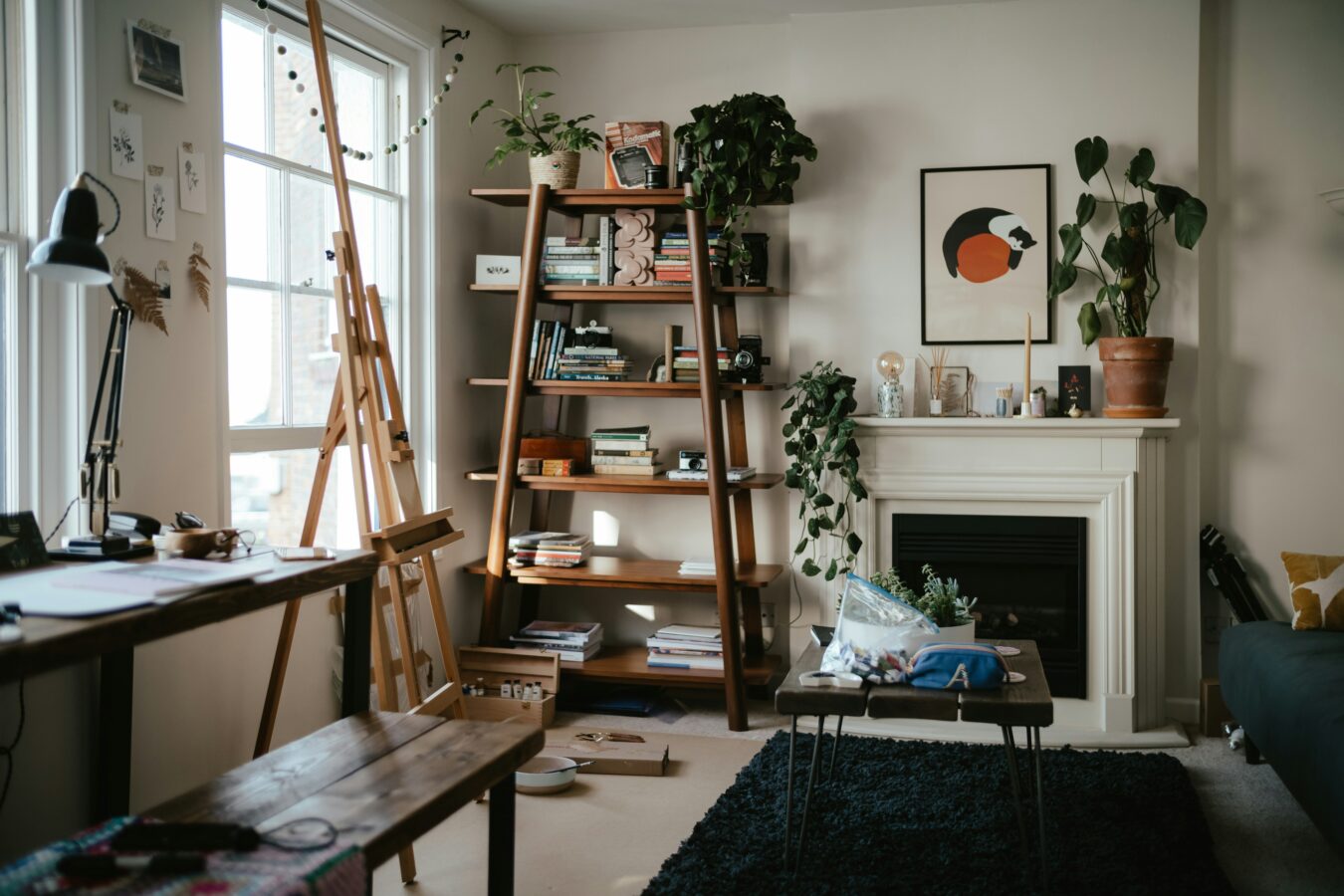
A lot of people think simple living requires a cold, white, museum-like house that feels uninhabitable. I get it. The previous aesthetic felt like a challenge—a punishing standard that demanded everything you owned be hidden or thrown away.
But the game has changed.
The biggest design news right now isn't about throwing things out; it’s about making conscious choices about what you bring in.
Design trends are now driving a necessary cultural correction, moving away from cool gray tones and embracing warmth. In fact, industry leaders are pointing to a significant shift toward Warm Minimalism—a philosophy that marries clean lines with earthy textures and natural colors.
It means your space can finally feel like a sanctuary, yet still remain disciplined and clutter-free.
These 15 hacks are not about decorating. They are about engineering your environment to support a less stressful, more productive existence.
The Core Idea: Quality Over Quantity
If you want a simple home that lasts, you have to shift your buying habits first. Design is downstream from discipline. You cannot organize your way out of poor consumption choices.
The foundation of lasting minimalist design is practicing Quality over Quantity.
Look, I’ve been guilty of chasing the deal. We all have. You grab the cheap lamp, the disposable storage bin, or the fast-furniture desk that costs less than your dinner, only to find it breaks in a year or, worse, it just doesn’t make you feel good when you look at it.
That cheap thrill is replaced by visual noise and ultimately, more consumption when you have to replace it.
Simple living asks you to do the opposite: invest in fewer, beautifully crafted pieces that are built to last. When you choose durability and timeless appeal over fleeting trends, you stop the cycle of accumulating junk.
This is the only way forward. Every purchase should be filtered through one question: Does this genuinely add utility or emotional value to my life? If the answer is anything other than a firm yes, step away from the checkout button.
If you master this mindset, the following design hacks become maintenance, not a total overhaul.
15 Hacks for Intentional Living
A truly functional home is built from the ground up, starting with your color palette and ending with your daily habits. Here is the framework I use to strip out the excess and build intentional space.
Category 1: Master the Visual Landscape (Palette & Texture)
Adopt a Tonal Trio.
Limit the core color palette in any single room to a maximum of three complementary hues. Think warm creams, rich taupes, and muted browns. Using shades of the same color family creates immediate calm and visual cohesion, preventing the space from feeling chaotic or busy.Layer Organic Textures.
The difference between "stark" and "warm" minimalism is texture. Since your colors are neutral, you need tactile elements to bring life. Use a chunky wool throw, a woven jute rug, or a linen sofa upholstery. These layers prevent the room from feeling sterile and invite touch, making the space feel deeply comfortable.Prioritize Honest Materials.
Avoid synthetics and imitation finishes wherever possible. Choose solid wood, natural stone, leather, or metals that are allowed to age and show patina. These materials have integrity, and they develop character rather than looking chipped and cheap over time. They signal permanence and quality.Embrace Intentional Negative Space.
Think of negative space—the empty wall, the clear floor, the bare corner—as a design element itself. This emptiness is where the eye rests. It gives the room structure and prevents everything from shouting for attention simultaneously. It fosters visual tranquility, which is a key component of a restful home.Let Natural Light Be Your Decor.
A bright room always feels bigger, cleaner, and more intentional. Ditch heavy, dark drapes. Opt instead for light-filtering blinds, sheer curtains, or nothing at all if privacy allows. Natural light reflecting off your neutral walls is the easiest and cheapest way to expand your space visually and lift the entire mood.
Category 2: Function-First Furniture & Storage
Insist on Multi-Functional Pieces.
If a piece of furniture only serves one purpose, question its presence. In a simple home, everything must earn its place. Look for storage ottomans, coffee tables with lift tops and hidden compartments, or console tables that can double as desks. Maximize utility without adding bulk.Keep Surfaces Clear (Non-Negotiable).
This is the most impactful, non-decorative hack. Countertops, dining tables, and nightstands are the battlegrounds of clutter. Limit surface items to true essentials only (a lamp, a small stack of necessary books, a single, curated vase). Clutter is a permanent visual distraction that quietly increases your stress baseline.Go Integrated and Recessed.
Whenever possible, use built-in storage. Floor-to-ceiling cabinets that blend flush with the wall, recessed shelves, and vanity units with ample drawers keep the visual profile of your room low and clean. When items are hidden behind seamless doors, the room itself feels simpler.Float Your Furniture.
Choose wall-mounted shelves, floating vanities, or even sofas on slim legs that leave the floor clearly visible underneath. This trick is invaluable. Seeing the entire expanse of the floor instantly creates the illusion of more square footage and a much airier, lighter atmosphere.Maximize Vertical Space.
In smaller rooms, use the full height of the wall. Install tall, narrow shelving or floor-to-ceiling storage units. This draws the eye upward, making the room appear higher and significantly increasing your capacity for storage without occupying valuable floor space.
Category 3: Curated Decor & Mindful Practices
Practice the "One-In-One-Out" Rule.
To maintain your simple volume, you need a system. For every new decorative or functional item you purchase, commit to removing an existing, similar item from your home. This prevents the slow, insidious creep of accumulation that eventually requires a massive weekend cleanout.Curate Statement Art (One Focal Point).
Avoid a gallery wall of many small items, which can feel busy. Instead, select one large, compelling piece of artwork—an abstract canvas, a bold photograph, or a sculptural mirror—to serve as the single, powerful focal point in the room. This adds depth and character without creating visual chaos.Use Plants as Simple Sculptures.
Biophilic design is essential for warmth. Incorporate one or two low-maintenance plants (like a snake plant or fiddle leaf fig) in simple, uniform ceramic or stone planters. Use them as living design elements, placing them strategically to frame a window or corner, rather than cluttering a table.Strategize with Reflective Surfaces.
A large mirror is not just for checking your appearance. Place a single, large mirror (frameless or slim-profile) in a main room opposite a window or light source. It bounces light, making the room dramatically brighter and physically enhancing the perceived space.Simplify Lighting Fixtures.
Lighting is critical for mood, but the fixtures don't need to be ornate. Choose clean lines and simple shapes (think sphere pendants or unadorned floor lamps). Let the quality and warmth of the light itself define the mood, rather than letting a flashy fixture dominate the visual field.
Stillness Starts Where the Clutter Ends
Why does all this matter beyond aesthetics? Because your physical environment deeply impacts your internal state.
The core benefit of simple living is not a beautiful home; it’s a quiet mind. When your surroundings are visually cluttered, your brain is constantly processing unnecessary input. That processing power is precious.
When I started running my marketing agency, I was juggling clients and timelines, and I realized my inability to focus was tied directly to my environment. I had files stacked on the counter, equipment shoved into corners, and surfaces covered in half-finished projects. That physical chaos was mirrored in my anxiety levels and inability to focus on deep work.
I often rely on my faith to pull me back to center. The discipline of the Christian Orthodox tradition often emphasizes physical posture and silence—external acts that facilitate inner peace. The same principle applies to your home.
When you remove the physical distractions, you create a dedicated space for silence and reflection. You practice discipline in your physical space so that you can find stillness in your emotional space.
When I started practicing rigorous clear-outs, removing anything that did not have immediate, high-level utility, I found I could sit down and work without that low, humming noise of anxiety in the background. My desk isn't just tidy now; it's a tool for focus.
A simple home acts as a buffer against the noise of the world. It’s an exercise in restraint. You choose what matters, and you discard what doesn't.
Taking the Leap
Simple living is often about the ruthless, pragmatic edit. It’s about recognizing that every single item you own costs you space, time (to maintain it), and mental energy.
Start small. Pick one category—perhaps the dining room table or the kitchen counter—and commit to the "Keep Surfaces Clear" hack for 30 days. Invest in one high-quality storage solution to integrate the existing clutter.
You will immediately feel the shift. The space will feel lighter, and your mind will follow suit.
Don't aim for magazine-perfect. Aim for functionality, warmth, and quiet contemplation. Your home should be the strongest possible platform for the life you actually want to live. Start engineering that environment today.
