The holiday season is afoot, and with it, the "baking Olympics" for many of us. But what if you could bake your heart out without the usual stress?
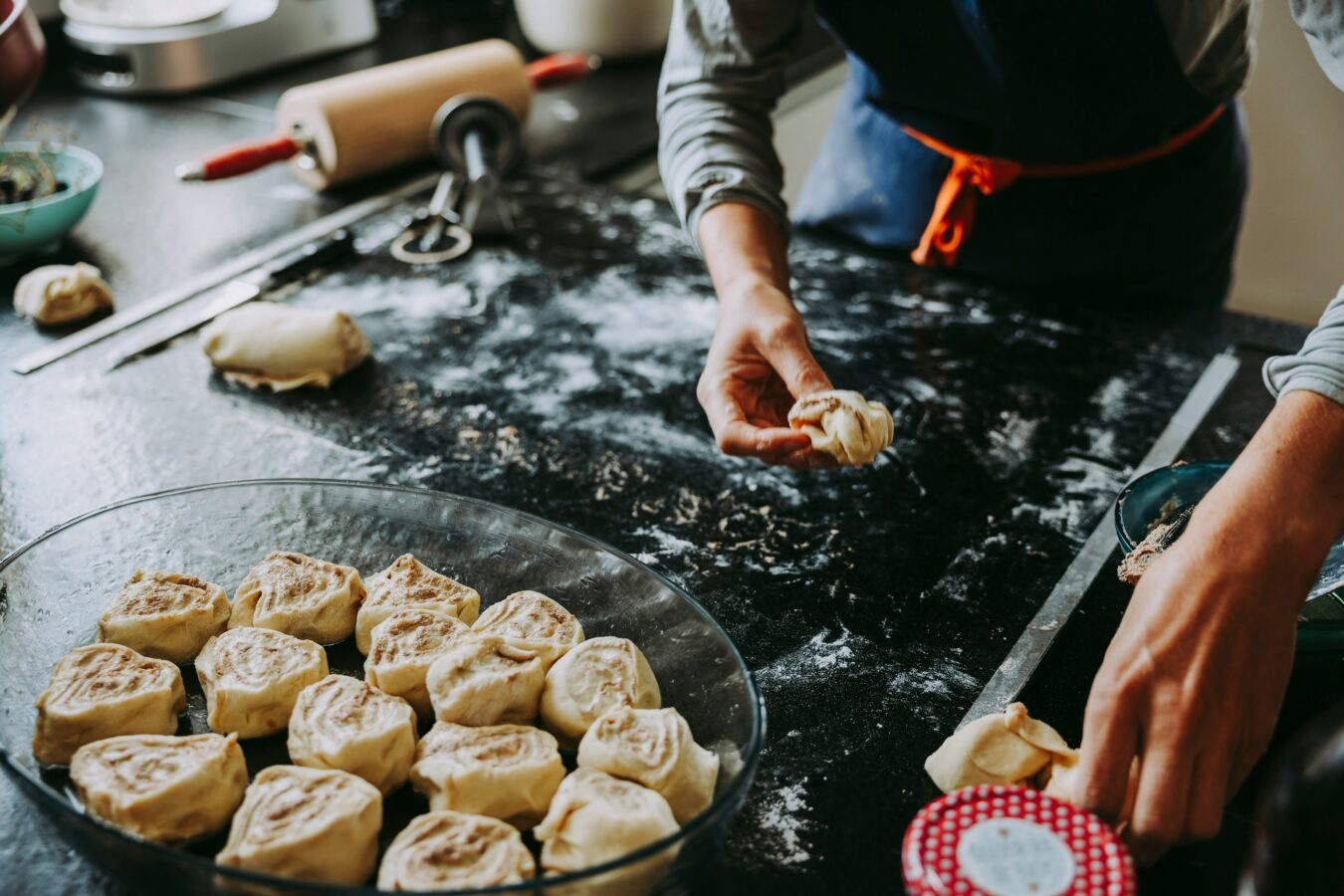
As November 2025 deepens, home kitchens across the country are gearing up for Thanksgiving feasts and the broader holiday season. It's a time when many of us roll up our sleeves, pull out our mixing bowls, and dive headfirst into what often feels like the "baking Olympics." We're seeing a renewed interest in home baking, a trend that took off during the pandemic and continues to thrive. With concepts like "budget-friendly baking" and "minimalist baking" gaining traction for 2025, there's a real hunger for ways to enjoy our craft without the usual seasonal pressures. I know that feeling of wanting to create something beautiful and delicious, but also dreading the chaotic mess or the last-minute scramble. That's why I want to share some real-world strategies to help you reclaim your kitchen as a calm, creative space.
The Philosophy of a Calm Kitchen
At the heart of stress-free baking isn't a secret recipe or a magic ingredient. It's about a shift in how you approach your time in the kitchen. For me, it's about embracing a mindset of preparation, organization, and what the pros call "mise en place"—a fancy French term that simply means "everything in its place." Imagine walking into your kitchen, knowing exactly where every ingredient and tool is, having everything prepped and ready to go. It transforms the experience from a potential source of chaos into a serene, efficient workspace.
I’ve learned this lesson the hard way in my own work. Juggling web development and marketing projects can be a mad dash, and without deep-work bursts and careful planning, I’d be lost. The same discipline applies to baking. An organized kitchen isn't just aesthetically pleasing; it significantly reduces stress, improves efficiency, and saves precious time. When your ingredients are measured, your tools are at hand, and your bakeware is prepped, you minimize hazards, prevent frantic searches, and ensure a smoother workflow. It’s about building a solid foundation before you even crack an egg.
20 Practical Hacks for Effortless Baking
These aren't just tips; they're habits that will change your baking life. Let's break them down into practical steps you can implement today.
Smart Planning & Preparation
Read the Recipe Thoroughly: Before you even think about grabbing a bowl, read the entire recipe. Every single word. Understand the steps, identify all ingredients, and know what tools you'll need. This prevents surprises down the line.
Create a Baking Schedule: If you're tackling multiple items or a complex bake, plan it out. Figure out what components can be made ahead of time—cookie dough that needs to chill, a buttercream frosting, or a pie crust. This breaks down big tasks into manageable chunks.
Mise en Place, Seriously: This is your best friend. Measure and prepare all ingredients (chop, sift, melt, zest) before you even begin mixing. No more realizing you're out of vanilla extract halfway through or scrambling to soften butter.
Pre-heat Your Oven Early: Ovens can be notoriously temperamental. Give yours plenty of time to reach and stabilize at the correct temperature. A cold oven can ruin a bake.
Prep Your Bakeware: Grease and flour your pans, line them with parchment paper, or arrange your muffin liners before you start mixing wet ingredients. You don't want your batter sitting around while you fumble with a sticky pan.
Shop Smart: Make a detailed shopping list based on your chosen recipes. Cross-reference your pantry first to avoid buying duplicates. A well-stocked pantry and a focused shopping trip mean no last-minute grocery runs.
Efficient Execution & Measurement
Bring Ingredients to Room Temperature Quickly: Many baking recipes call for room-temperature butter and eggs because it helps them emulsify properly. To speed up butter softening, cut it into small cubes or grate it. For eggs, place them in a bowl of warm water for a few minutes.
Use a Kitchen Scale: If you're serious about consistent results, a kitchen scale is a game-changer. Measuring dry ingredients by weight is far more accurate than volume measurements, and it cuts down on dirty measuring cups.
Invest in Quality Tools: You don't need a professional kitchen, but good tools make a difference. Sharp knives, sturdy mixing bowls that don't slide around, and reliable measuring cups and spoons make tasks easier and more enjoyable.
Follow the Recipe Precisely (Initially): Especially when trying a new recipe, resist the urge to improvise. Baking is often a precise science. Small deviations can significantly impact the final texture and taste. Master it first, then get creative.
Double-Check Measurements: A quick second glance at your measured ingredients can prevent costly errors. An extra teaspoon of baking powder or a missing cup of flour can lead to disaster.
Use Timers: Don't rely on your internal clock. Set timers for baking, cooling, proofing, or anything else that requires a precise duration. It’s a simple way to prevent over or under-baking.
Cleanup & Smart Storage
Clean As You Go: This is a big one. As soon as you're done with a bowl or a utensil, wash it immediately or put it in the sink to soak. This prevents a daunting pile-up of dishes at the end and keeps your workspace clear.
Use a "Trash Bowl": Keep a small bowl or even a designated plastic bag right on your counter for immediate disposal of eggshells, wrappers, and other scraps. It saves trips to the main trash can and keeps your counter tidy.
Label Everything: Get some labels or a marker. Clearly label containers for flours, sugars, and spices. Include the purchase date. This helps you identify ingredients quickly and track expiration dates, so you're not guessing if that baking soda is still good.
Store Smart: Organize your pantry and cabinets logically. Group similar items together. All your spices in one place, all your flours in another. This saves time searching and prevents you from buying duplicates of things you already have but can't find. An organized kitchen significantly reduces stress, improves efficiency, and saves time by ensuring ingredients and tools are readily accessible, thereby minimizing hazards and promoting a smoother workflow. (Source)
Troubleshooting & Focused Presence
Embrace Freezing: Your freezer is a secret weapon. Freeze cookie dough balls, pre-portioned muffin batter, or even baked goods like bread loaves or cupcakes. It's a fantastic way to prepare ahead, reducing future prep stress for spontaneous treats or last-minute needs.
Speed Up Cooling: Most baked goods need to cool completely before frosting or slicing. Place them on a wire rack for air circulation. If you're in a hurry, slide the rack (with the cooled-down-a-bit baked goods) into the fridge for 10-15 minutes.
Take Breaks: If you find yourself getting overwhelmed, step away from the kitchen for a few minutes. Go grab a drink, stretch, or just sit quietly. A short break can clear your head, reduce frustration, and help prevent errors.
Practice Focused Presence: Instead of rushing through, engage all your senses in the baking process. Notice the smell of the vanilla, the texture of the dough, the warmth from the oven. This kind of deep engagement can be wonderfully therapeutic and reduces internal clutter, much like a period of quiet contemplation can settle your thoughts. It’s about being fully present in the moment.
Why These Hacks Work
These hacks aren't just about efficiency; they're about transforming your entire relationship with baking. Psychologically, they reduce cognitive load. When you don't have to scramble for ingredients or wonder if your oven is ready, your brain's "CEO" – the part that plans and decides – isn't constantly in crisis mode. This frees up mental space, allowing you to enjoy the creative process. Practically, they prevent common mishaps like burnt cookies, sunken cakes, or forgotten ingredients, saving you time, money, and disappointment. When you're organized, prepared, and present, you gain a sense of control and accomplishment.
Enjoying the Sweet Rewards
Baking should be a joy, a creative outlet, and a delicious reward. It shouldn't be another source of stress in an already busy life. By adopting these practical strategies—from the diligent mise en place to the quiet discipline of cleaning as you go—you're not just making better pastries; you're building a more calm and fulfilling experience for yourself. So, go ahead, preheat that oven, measure with care, and savor every moment. The sweet rewards, both edible and emotional, are waiting for you.